

Astronomy vs Meteorology
Side-by-side on feel, cost, and what your week needs to look like, so you can pick Astronomy or Meteorology with your real life in mind, not just the aesthetic.
Astronomy and Meteorology can feel similar on paper, but they ask for different weeks: Astronomy suits outdoors, Meteorology suits outdoors · at home. The clearest personality split is physical: Still for Astronomy, Light for Meteorology.
Astronomy
Learn the night sky by name, from planets to galaxies a million years away.
Learn the night sky by name, from planets to galaxies a million years away.
Meteorology
Read the sky and the data well enough to call tomorrow's weather.
Read the sky and the data well enough to call tomorrow's weather.
Which is right for you?
Choose Astronomy if…
- The cold and the dew are worth it when Saturn's rings snap into focus.
- You like learning the sky by name and finding the same galaxy again.
- Planning sessions around moon phase and seeing forecasts sounds like fun.
Choose Meteorology if…
- You'd enjoy reading a skew-T and watching pressure trends for an afternoon.
- Calling a storm hours before it lands is exactly the payoff you want.
- You're patient enough to watch patterns emerge across the sky over weeks.
Experience profile92% overlap
Still
Light
Deep focus
Deep focus
Solo
Solo
Structured
Rule-based
Hours
Hours
Some expression
Some expression
Depth & mastery
Astronomy
Progression · Lifelong craft
Meteorology
Progression · Gradual mastery
Practical fit
Shaded rows show where they differ.
Activity type
Sensory & flags
Shared
Before you commit
Astronomy
- You want instant results, not twenty minutes nudging a scope at a smudge.
- Orange suburban skies and light pollution would just frustrate you.
- Standing alone outside in the dark cold isn't your idea of a night.
Meteorology
- Being confidently wrong fairly often would frustrate rather than humble you.
- You want clear answers, not an atmosphere full of gray areas.
- You'd skip the dull outdoor observation that makes the forecasts work.
Starter gear
What you'll need
Essential kit only, what you actually buy on day one.

Telescope
Celestron StarSense Explorer LT 114AZ

Binoculars
Celestron - Outland X 10x50 Binoculars
Red Light Flashlight
Orion Red LED Flashlight for Astronomy

Star Chart
Philip's Planisphere Northern 51.5 Degrees

Digital Anemometer
Kestrel 3000 Pocket Weather Meter / Heat Stress Monitor
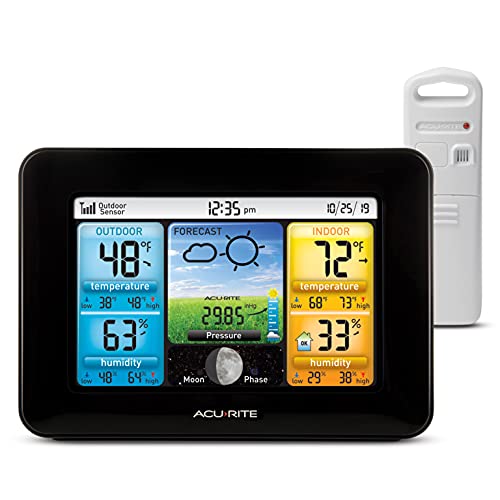
Digital Barometer
AcuRite Wireless Home Weather Station with Color Display

Hygrometer
Govee Temperature Humidity Monitor H5075

Rain Gauge
AcuRite Wireless Digital Rain Gauge with Self-Emptying Collector with…

Thermometer
TempPro TP65 Indoor Outdoor Thermometer Digital Wireless Hygrometer…
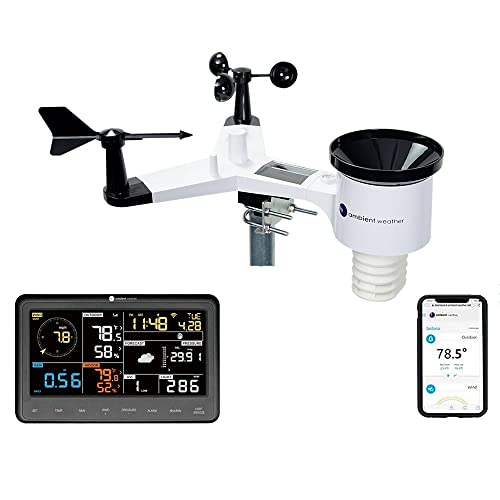
Home Weather Station
Ambient Weather WS-2902 WiFi Weather Station
Amazon affiliate links, we earn a small commission at no extra cost to you.
Common questions
Should I pick Astronomy or Meteorology?
How different are Astronomy and Meteorology?
Which is easier for beginners: Astronomy or Meteorology?
Which costs more to start: Astronomy or Meteorology?
Next steps
Still undecided?
Take the quiz: we'll match you to the right hobby, solo or with friends.