

Automata vs Magic Tricks
Side-by-side on feel, cost, and what your week needs to look like, so you can pick Automata or Magic Tricks with your real life in mind, not just the aesthetic.
Automata and Magic Tricks can feel similar on paper, but they ask for different weeks: Automata suits at home, Magic Tricks suits at home · at a venue. The clearest personality split is physical: Still for Automata, Light for Magic Tricks.
Automata
Build kinetic sculptures that move on cams, gears, and clever linkages.
Build hand-cranked machines where cams and gears bring a little carved scene to life.
Magic Tricks
Hide the method and leave people genuinely puzzled.
Hide the method and leave people genuinely puzzled.
Which is right for you?
Choose Automata if…
- A pure hit of delight every time the crank turns and the scene comes alive.
- Blends mechanical problem-solving with genuine artistic expression.
- Quiet, compact, low-cost work you can do at a small desk.
Choose Magic Tricks if…
- Watching someone's face genuinely break is a hit you'd chase.
- You'll drill one sleight in a mirror until your hands lie clean.
- You like that the secret is dull and the selling is everything.
Experience profile92% overlap
Still
Light
Deep focus
Deep focus
Solo
Solo
Structured
Rule-based
Instant
Instant
Open-ended
Open-ended
Depth & mastery
Automata
Progression · Gradual mastery
Magic Tricks
Progression · Lifelong craft
Practical fit
Shaded rows show where they differ.
Activity type
Only Automata
Only Magic Tricks
Sensory & flags
Shared
Automata only
Before you commit
Automata
- Mechanisms are fussy, and small tolerances decide whether it moves or jams.
- Designing original movements is a real step up from building kits.
- Slow, patient work; the payoff comes after the fiddly mechanism is dialled in.
Magic Tricks
- Early performances flopping and getting caught would sting too much.
- Hours alone perfecting one move before anyone sees it sounds lonely.
- You want instant payoff, not a year on a single trick.
Starter gear
What you'll need
Essential kit only, what you actually buy on day one.


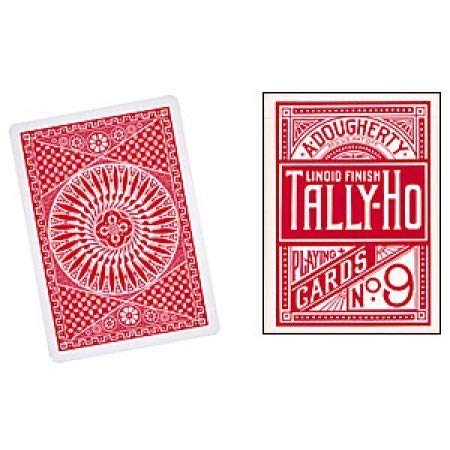


Amazon affiliate links, we earn a small commission at no extra cost to you.
Common questions
Should I pick Automata or Magic Tricks?
How different are Automata and Magic Tricks?
Which is easier for beginners: Automata or Magic Tricks?
Which costs more to start: Automata or Magic Tricks?
Next steps
Still undecided?
Take the quiz: we'll match you to the right hobby, solo or with friends.