

Automata vs Watchmaking
Side-by-side on feel, cost, and what your week needs to look like, so you can pick Automata or Watchmaking with your real life in mind, not just the aesthetic.
Both can work for patient, detail-oriented people, but analog / digital is where they diverge (analog vs digital). Pick the one that matches how you like to spend a free afternoon.
Automata
Build kinetic sculptures that move on cams, gears, and clever linkages.
Build hand-cranked machines where cams and gears bring a little carved scene to life.
Watchmaking
Take a mechanical watch apart, clean it, and rebuild it tick by tiny tick.
Strip, service, and reassemble a mechanical watch movement, a hundred tiny parts under a loupe.
Which is right for you?
Choose Automata if…
- A pure hit of delight every time the crank turns and the scene comes alive.
- Blends mechanical problem-solving with genuine artistic expression.
- Quiet, compact, low-cost work you can do at a small desk.
Choose Watchmaking if…
- Deeply absorbing, meditative precision work — the world disappears under the loupe.
- A dead watch ticking again is a genuinely magical, tangible payoff.
- Compact and quiet: a small bench, no noise, no mess.
Experience profile86% overlap
Restful
Restful
Indoors
Indoors
Solitary
Solitary
Creative
Creative
Technical
Technical
Hands-on
Hands-on
Relaxed
Relaxed
Cautious
Cautious
Patient
Patient
Private
Private
Minimalist
Minimalist
Studious
Studious
Gear-heavy
Gear-heavy
Analog
Digital
Objects
Objects
Practical fit
Shaded rows show where they differ.
Activity type
Only Automata
Only Watchmaking
Before you commit
Automata
- Mechanisms are fussy, and small tolerances decide whether it moves or jams.
- Designing original movements is a real step up from building kits.
- Slow, patient work; the payoff comes after the fiddly mechanism is dialled in.
Watchmaking
- Brutally unforgiving — one slip or pinged spring can end a session.
- A real steep start: proper technique and patience take months to build.
- Quality tools and donor movements add up before you make anything valuable.
Starter gear
What you'll need
Essential kit only, what you actually buy on day one.

Automata Kit
ROKR 3D Assembly Wooden Puzzle Brain Teaser Game Mechanical Gears Set Model Kit Marble Run Set Unique Craft Kits Christmas/Birthday/Valentine's Gift for Adults & Kids Age 14+(LG503-Lift Coaster)

Hand Tools
Dremel 3100-1/15 Variable Speed Rotary Tool Kit- 1 Attachment and 15…
Materials & Mechanisms
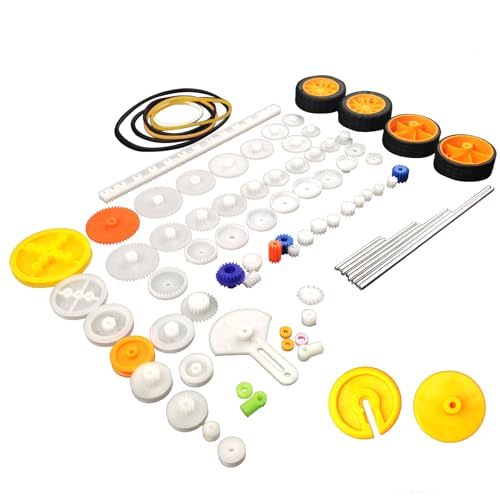
EUDAX Plastic Gears and Bushings Assortment Kit
Amazon affiliate links, we earn a small commission at no extra cost to you.
Common questions
Should I pick Automata or Watchmaking?
How different are Automata and Watchmaking?
Which is easier for beginners: Automata or Watchmaking?
Which costs more to start: Automata or Watchmaking?
Next steps
Still undecided?
Take the quiz: we'll match you to the right hobby.