

Beekeeping vs Urban Farming
Side-by-side on feel, cost, and what your week needs to look like, so you can pick Beekeeping or Urban Farming with your real life in mind, not just the aesthetic.
Beekeeping and Urban Farming can feel similar on paper, but they ask for different weeks: Beekeeping suits significant (regular spend to continue), Urban Farming suits moderate (occasional supplies / fees). The clearest personality split is structure: Rule-based for Beekeeping, Structured for Urban Farming.
Beekeeping
Tend a hive of thousands and take a share of the honey they make.
Tend a hive of thousands and take a share of the honey they make.
Urban Farming
Grow real food in small city spaces, balcony to rooftop.
Grow real food in small city spaces, balcony to rooftop.
Which is right for you?
Choose Beekeeping if…
- You can stay calm with tens of thousands of bees flowing over your gloves.
- Reading a colony's mood by its pitch sounds fascinating, not stressful.
- Your first jar of capped honey would feel worth the worry.
Choose Urban Farming if…
- Eating a tomato you grew on a fire escape lands harder than any yield.
- You like calibrating your setup to your own particular patch of sky.
- You value the tactile work in a space that wasn't designed for growing.
Experience profile88% overlap
Moderate
Moderate
Engaged
Engaged
Solo
Solo
Rule-based
Structured
Weeks
Months
Some expression
Expressive
Depth & mastery
Beekeeping
Progression · Lifelong craft
Urban Farming
Progression · Gradual mastery
Practical fit
Shaded rows show where they differ.
Activity type
Only Beekeeping
Only Urban Farming
Sensory & flags
Shared
Before you commit
Beekeeping
- Getting stung through the suit now and then is a dealbreaker.
- Losing sleep over mites, swarms, and overwintering would wreck you.
- You want a hobby without heavy, sticky lifting and seasonal anxiety.
Urban Farming
- Hauling soil up stairs and fighting aphids isn't worth a small handful of food.
- Watching half your seedlings damp off and die would demoralize you.
- You have no balcony, rooftop, or sunny corner to work with.
Starter gear
What you'll need
Essential kit only, what you actually buy on day one.

Beekeeping Starter Kit
BeeCastle 10-Frame Complete Beehive Kit

Bee Suit
VIVO Professional XL Cotton Full Body Beekeeping Suit with Veil Hood…
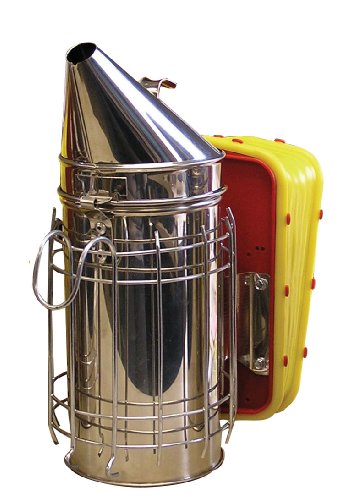
Smoker
Mann Lake Stainless Steel Bee Smoker Pro Bellow

Hive Tool
Mann Lake HD585 Stainless Steel Hive Tool
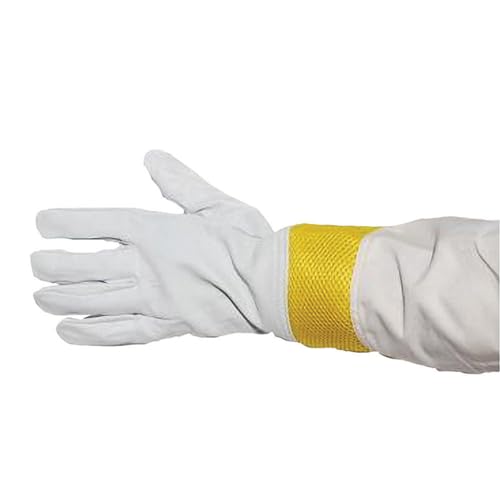
Gloves
Mann Lake Vented Goatskin Beekeeping Gloves Medium
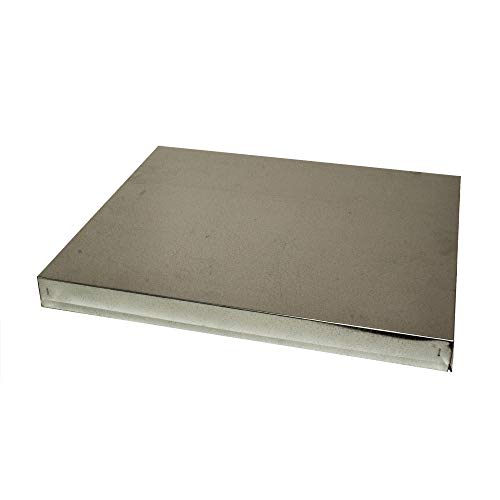
Feeders
Harvest Lane Honey WWTF-101 Flat Hive Top


Amazon affiliate links, we earn a small commission at no extra cost to you.
Common questions
Should I pick Beekeeping or Urban Farming?
How different are Beekeeping and Urban Farming?
Which is easier for beginners: Beekeeping or Urban Farming?
Which costs more to start: Beekeeping or Urban Farming?
Next steps
Still undecided?
Take the quiz: we'll match you to the right hobby, solo or with friends.