

Blacksmithing vs Millinery
Side-by-side on feel, cost, and what your week needs to look like, so you can pick Blacksmithing or Millinery with your real life in mind, not just the aesthetic.
Blacksmithing and Millinery can feel similar on paper, but they ask for different weeks: Blacksmithing suits at a venue, Millinery suits at home. The clearest personality split is physical: Active for Blacksmithing, Still for Millinery.
Blacksmithing
Heat steel to orange and hammer it into tools, blades, and hardware.
Heat steel to orange and hammer it into tools, blades, and hardware.
Millinery
Build hats by hand, shaping felt and straw into wearable form.
Build hats by hand, shaping felt and straw into wearable form.
Which is right for you?
Choose Blacksmithing if…
- Swinging a hammer in a hot forge sounds like a release.
- You want to pull a finished blade from the quench.
- You like a craft that cooks your forearms by design.
Choose Millinery if…
- You get a quiet thrill pulling steamed felt over a block into a crown.
- You don't mind a slow reward, the day a hat finally sits right on a head.
- Hand-stitching ribbon trim and wiring brim edges sounds satisfying.
Experience profile83% overlap
Active
Still
Deep focus
Deep focus
Solo
Solo
Structured
Structured
Instant
Hours
Open-ended
Open-ended
Depth & mastery
Blacksmithing
Progression · Lifelong craft
Millinery
Progression · Lifelong craft
Practical fit
Shaded rows show where they differ.
Activity type
Only Blacksmithing
Only Millinery
Sensory & flags
Shared
Blacksmithing only
Before you commit
Blacksmithing
- A six-second window to shape orange steel would stress you.
- The heat, noise, and soot are dealbreakers, not atmosphere.
- You have no space for an anvil and an open flame.
Millinery
- Felt fighting you and steam burning your fingers would end it fast.
- Lopsided first hats no matter how carefully you pin would discourage you.
- You have no room for wooden blocks, steam, and drying hats.
Starter gear
What you'll need
Essential kit only, what you actually buy on day one.

Propane Forge
VEVOR Single-Burner Propane Forge

Anvil
NC Tool Co. Big Face 70 lb

Blacksmithing Hammer
Nordic Forge 2 lb Rounding Hammer

Tongs
VEVOR Blacksmith Tongs (4-Piece)
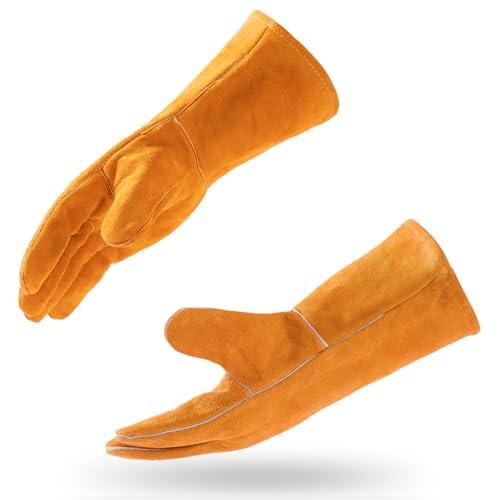
Safety Gear
3M Virtua CCS Protective Safety Glasses Anti-Fog

Slack Tub & Wire Brush
Large Metal Bucket 5 Gallon

Hat Blocks
Generic 11 Inch Female Velvet Mannequin Head Versatile Hat Display Head…

Steam Iron and Board
Rowenta Steam Force Stainless Steel Soleplate Steam Iron for Clothes

Millinery Needles
Clover 4971 Clover No.10 Needles Applique/Sharps

Fabric Shears
Gingher 8-Inch Dressmaker's Shears
Amazon affiliate links, we earn a small commission at no extra cost to you.
Common questions
Should I pick Blacksmithing or Millinery?
How different are Blacksmithing and Millinery?
Which is easier for beginners: Blacksmithing or Millinery?
Which costs more to start: Blacksmithing or Millinery?
Next steps
Still undecided?
Take the quiz: we'll match you to the right hobby, solo or with friends.