

Bookbinding vs Millinery
Side-by-side on feel, cost, and what your week needs to look like, so you can pick Bookbinding or Millinery with your real life in mind, not just the aesthetic.
Bookbinding and Millinery can feel similar on paper, but they ask for different weeks: Bookbinding suits small (corner of a room), Millinery suits dedicated room / shop. The clearest personality split is mental: Engaged for Bookbinding, Deep focus for Millinery.
Bookbinding
Fold, sew, and case loose pages into a book made to last.
Fold, sew, and case loose pages into a book made to last.
Millinery
Build hats by hand, shaping felt and straw into wearable form.
Build hats by hand, shaping felt and straw into wearable form.
Which is right for you?
Choose Bookbinding if…
- Folding and sewing signatures by hand feels meditative to you.
- You want to turn flat sheets and thread into an object that lasts.
- You like the precision of a square spine and a flush-closing cover.
Choose Millinery if…
- You get a quiet thrill pulling steamed felt over a block into a crown.
- You don't mind a slow reward, the day a hat finally sits right on a head.
- Hand-stitching ribbon trim and wiring brim edges sounds satisfying.
Experience profile88% overlap
Still
Still
Engaged
Deep focus
Solo
Solo
Rule-based
Structured
Hours
Hours
Expressive
Open-ended
Depth & mastery
Bookbinding
Progression · Gradual mastery
Millinery
Progression · Lifelong craft
Practical fit
Shaded rows show where they differ.
Activity type
Only Bookbinding
Only Millinery
Sensory & flags
Shared
Before you commit
Bookbinding
- Uneven stitching and glue drying crooked under the boards would defeat you.
- You have no bench space for presses, boards, and drying projects.
- Your first homemade-looking books would frustrate you out of it.
Millinery
- Felt fighting you and steam burning your fingers would end it fast.
- Lopsided first hats no matter how carefully you pin would discourage you.
- You have no room for wooden blocks, steam, and drying hats.
Starter gear
What you'll need
Essential kit only, what you actually buy on day one.
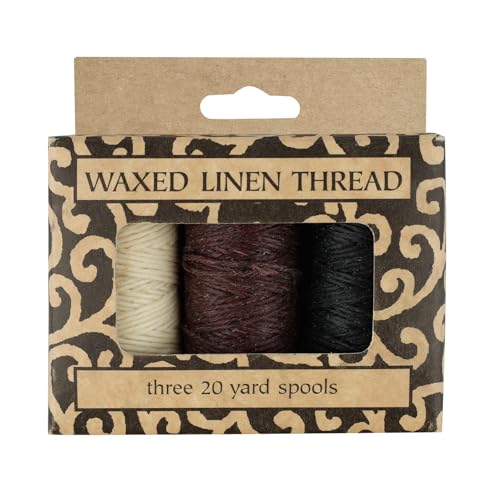
Bookbinding Thread
Lineco, Natural Waxed Linen Thread 20 Yards, Books by Hand Natural,…
Bookbinding Awl
Speedball Bookbinding Awl

Bookbinding Starter Kit
HEJIN Bookbinding Kit with Book Press

Bone Folder
Lineco Genuine Bone Folder 15cm

Cutting Mat
Fiskars Self Healing Cutting Mat with Grid for Sewing

Hat Blocks
Generic 11 Inch Female Velvet Mannequin Head Versatile Hat Display Head…

Steam Iron and Board
Rowenta Steam Force Stainless Steel Soleplate Steam Iron for Clothes

Millinery Needles
Clover 4971 Clover No.10 Needles Applique/Sharps

Fabric Shears
Gingher 8-Inch Dressmaker's Shears
Amazon affiliate links, we earn a small commission at no extra cost to you.
Common questions
Should I pick Bookbinding or Millinery?
How different are Bookbinding and Millinery?
Which is easier for beginners: Bookbinding or Millinery?
Which costs more to start: Bookbinding or Millinery?
Next steps
Still undecided?
Take the quiz: we'll match you to the right hobby, solo or with friends.