

Chess vs Speedcubing
Side-by-side on feel, cost, and what your week needs to look like, so you can pick Chess or Speedcubing with your real life in mind, not just the aesthetic.
Both can work for patient, detail-oriented people, but just do it / studious is where they diverge (studious vs studious). Pick the one that matches how you like to spend a free afternoon.
Chess
Outthink one opponent across sixty-four squares with no luck involved.
Outthink one opponent across sixty-four squares with no luck involved.
Speedcubing
Solve a scrambled cube in seconds through memorized algorithms.
Solve a scrambled cube in seconds through memorized algorithms.
Which is right for you?
Choose Chess if…
- Chasing one clean combination three moves deep is a quiet high for you.
- You're happy sitting still and thinking hard for long stretches.
- You like a game with no luck to blame, where every win is fully earned.
Choose Speedcubing if…
- Fingers flying through algorithms before your brain catches up delights you.
- You'll drill the same dull cases hundreds of times to make them reflex.
- Shaving fractions of a second off your average is your idea of fun.
Experience profile78% overlap
Restful
Restful
Indoors
Indoors
Social
Solitary
Practical
Practical
Technical
Technical
Hands-off
Hands-off
Competitive
Competitive
Cautious
Cautious
Patient
Patient
Private
Private
Minimalist
Minimalist
Studious
Studious
Low-kit
Low-kit
Digital
Analog
Objects
Objects
Practical fit
Shaded rows show where they differ.
Before you commit
Chess
- Hanging a piece in one careless move and stewing on it for an hour would crush you.
- Losing fast and often early on would put you off for good.
- You want luck or teammates to share the blame when things go wrong.
Speedcubing
- Weeks of plateaus shaving nothing off your average would crush you.
- Memorizing and recalling long algorithm sequences sounds tedious to you.
- A lockup ruining a good solve would frustrate you to no end.
Starter gear
What you'll need
Essential kit only, what you actually buy on day one.

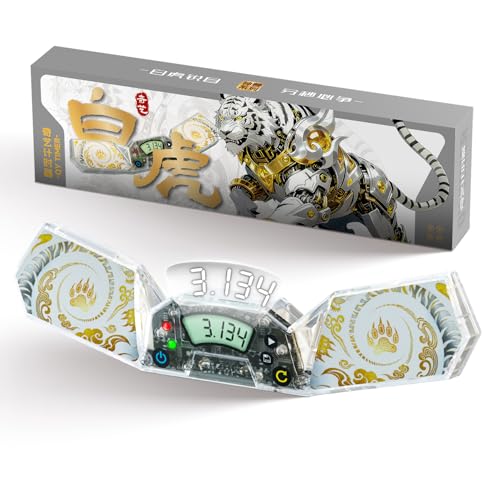

Amazon affiliate links, we earn a small commission at no extra cost to you.
Common questions
Should I pick Chess or Speedcubing?
How different are Chess and Speedcubing?
Which is easier for beginners: Chess or Speedcubing?
Which costs more to start: Chess or Speedcubing?
Next steps
Still undecided?
Take the quiz: we'll match you to the right hobby.