

Deckbuilding vs Speedcubing
Side-by-side on feel, cost, and what your week needs to look like, so you can pick Deckbuilding or Speedcubing with your real life in mind, not just the aesthetic.
Deckbuilding and Speedcubing can feel similar on paper, but they ask for different weeks: Deckbuilding suits at home · online · at a venue, Speedcubing suits at home. The clearest personality split is mental: Intense for Deckbuilding, Engaged for Speedcubing.
Deckbuilding
Design and tune trading-card decks and cubes for sharper play.
The brewer's craft behind trading card games: engineering a deck or cube that wins on purpose.
Speedcubing
Solve a scrambled cube in seconds through memorized algorithms.
Solve a scrambled cube in seconds through memorized algorithms.
Which is right for you?
Choose Deckbuilding if…
- A deeply satisfying optimisation puzzle of probability, synergy, and a plan.
- Creative brewing: there's real expression in an original deck or cube.
- Portable and social, with a huge community and endless card pool to explore.
Choose Speedcubing if…
- Fingers flying through algorithms before your brain catches up delights you.
- You'll drill the same dull cases hundreds of times to make them reflex.
- Shaving fractions of a second off your average is your idea of fun.
Experience profile67% overlap
Still
Still
Intense
Engaged
Optional group
Solo
Structured
Rule-based
Days
Instant
Light tweaks
Pure execution
Depth & mastery
Deckbuilding
Progression · Gradual mastery
Speedcubing
Progression · Gradual mastery
Practical fit
Shaded rows show where they differ.
Sensory & flags
Deckbuilding only
Speedcubing only
Before you commit
Deckbuilding
- Cards are an ongoing cost, and the metagame keeps moving.
- It can tip into a money sink if you chase every new set.
- The real depth is in study and iteration, not just buying good cards.
Speedcubing
- Weeks of plateaus shaving nothing off your average would crush you.
- Memorizing and recalling long algorithm sequences sounds tedious to you.
- A lockup ruining a good solve would frustrate you to no end.
Starter gear
What you'll need
Essential kit only, what you actually buy on day one.
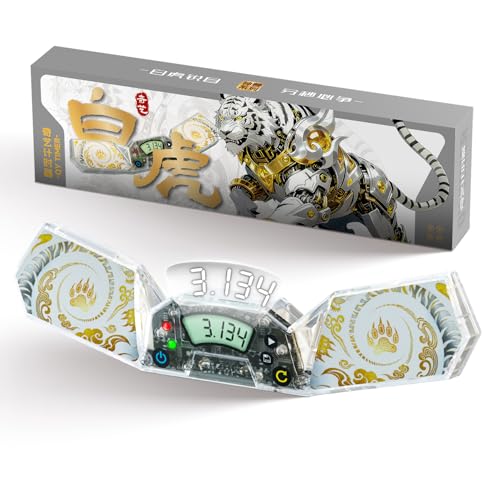


Amazon affiliate links, we earn a small commission at no extra cost to you.
Common questions
Should I pick Deckbuilding or Speedcubing?
How different are Deckbuilding and Speedcubing?
Which is easier for beginners: Deckbuilding or Speedcubing?
Which costs more to start: Deckbuilding or Speedcubing?
Next steps
Still undecided?
Take the quiz: we'll match you to the right hobby, solo or with friends.