

Field Archaeology vs Local History Research
Side-by-side on feel, cost, and what your week needs to look like, so you can pick Field Archaeology or Local History Research with your real life in mind, not just the aesthetic.
Field Archaeology and Local History Research can feel similar on paper, but they ask for different weeks: Field Archaeology suits outdoors, Local History Research suits at home · outdoors. The clearest personality split is structure: Rule-based for Field Archaeology, Flexible for Local History Research.
Field Archaeology
Dig carefully and read the past straight out of the dirt.
Dig carefully and read the past straight out of the dirt.
Local History Research
Dig up the forgotten stories of the streets you live on.
Dig up the forgotten stories of the streets you live on.
Which is right for you?
Choose Field Archaeology if…
- You can crouch in one square meter sieving soil for hours.
- Recording context and reading stratigraphy sounds genuinely absorbing.
- Pulling a worked flint from sealed soil is the jolt you're chasing.
Choose Local History Research if…
- Finding your own street in an 1890s census would give you a real jolt.
- You don't mind squinting at microfilm and decoding stubborn handwriting.
- You enjoy triangulating deeds, newspapers, and rolls to fill the gaps.
Experience profile67% overlap
Moderate
Light
Deep focus
Deep focus
Community
Optional group
Rule-based
Flexible
Months
Months
Light tweaks
Expressive
Depth & mastery
Field Archaeology
Progression · Gradual mastery
Local History Research
Progression · Lifelong craft
Practical fit
Shaded rows show where they differ.
Sensory & flags
Field Archaeology only
Local History Research only
Before you commit
Field Archaeology
- Heat, bug bites, and dirt for hours would put you off fast.
- You need flashy finds, not a sherd that might be a 1970s flowerpot.
- Blank hours with nothing in the bucket would test you too hard.
Local History Research
- Chasing dead-end deeds and contradictory records would frustrate you.
- Whole decades simply missing from the archive would defeat your patience.
- You want a faster payoff than hours of slow, solitary digging.
Starter gear
What you'll need
Essential kit only, what you actually buy on day one.

Trowel
WHS Archaeology Pointing Trowel 4-Inch
Brush Set
Boreal Science Archaeology Brushes 7-Piece Set
Buckets
Husky 5-Gallon Professional Bucket with Side Pockets
Field Notebook
Rite in the Rain All-Weather Field Notebook 4.625x7
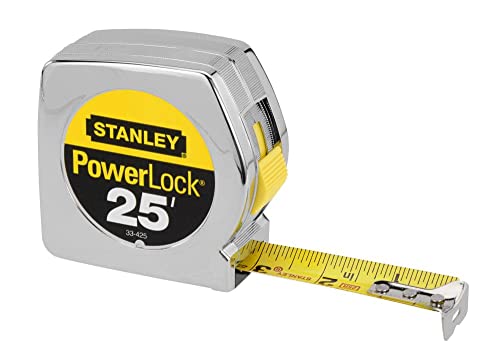
Measuring Tape
STANLEY Tape Measure, Chrome, 25-Foot

Gloves
Mechanix Wear Original Work Gloves

Amazon affiliate links, we earn a small commission at no extra cost to you.
Common questions
Should I pick Field Archaeology or Local History Research?
How different are Field Archaeology and Local History Research?
Which is easier for beginners: Field Archaeology or Local History Research?
Which costs more to start: Field Archaeology or Local History Research?
Next steps
Still undecided?
Take the quiz: we'll match you to the right hobby, solo or with friends.