

Knife Making vs Quilling
Side-by-side on feel, cost, and what your week needs to look like, so you can pick Knife Making or Quilling with your real life in mind, not just the aesthetic.
Knife Making and Quilling can feel similar on paper, but they ask for different weeks: Knife Making suits $50–$300, Quilling suits under $50. The clearest personality split is physical: Moderate for Knife Making, Still for Quilling.
Knife Making
Make knives by stock removal, grinding, heat-treating, and handling steel into a finished blade.
Grind, heat-treat, and handle a blade from a bar of steel into a real knife you made yourself.
Quilling
Roll thin paper strips into intricate, surprisingly detailed art.
Roll thin paper strips into intricate, surprisingly detailed art.
Which is right for you?
Choose Knife Making if…
- A genuinely useful, beautiful object at the end, and you made every part of it.
- Low barrier to start: files, a vise, and a bar of steel are enough.
- Deeply tactile, physical making that gets you off screens entirely.
Choose Quilling if…
- Fiddly, finger-aching rolling of thin paper strips sounds soothing to you.
- You can sink an evening into tiny, repetitive, precise movements.
- The surprise when people realize it's all curled paper delights you.
Experience profile88% overlap
Moderate
Still
Engaged
Engaged
Solo
Solo
Balanced
Structured
Instant
Instant
Open-ended
Open-ended
Depth & mastery
Knife Making
Progression · Gradual mastery
Quilling
Progression · Gradual mastery
Practical fit
Shaded rows show where they differ.
Sensory & flags
Shared
Knife Making only
Before you commit
Knife Making
- Hot, dusty, sparky work that needs a garage, shed, or dedicated space.
- Heat-treating is its own skill (or a send-out cost) and makes or breaks the blade.
- Hand-grinding is slow; a belt grinder is the upgrade everyone eventually wants.
Quilling
- Lopsided coils springing loose before they click would frustrate you.
- You expect quick progress, not a motif that takes a whole evening.
- Focusing on details this small and hard to see strains your patience.
Starter gear
What you'll need
Essential kit only, what you actually buy on day one.


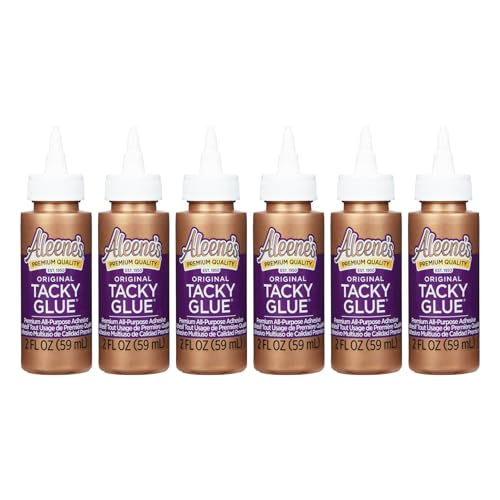

Amazon affiliate links, we earn a small commission at no extra cost to you.
Common questions
Should I pick Knife Making or Quilling?
How different are Knife Making and Quilling?
Which is easier for beginners: Knife Making or Quilling?
Which costs more to start: Knife Making or Quilling?
Next steps
Still undecided?
Take the quiz: we'll match you to the right hobby, solo or with friends.