

Language Learning vs Paleography
Side-by-side on feel, cost, and what your week needs to look like, so you can pick Language Learning or Paleography with your real life in mind, not just the aesthetic.
Language Learning and Paleography can feel similar on paper, but they ask for different weeks: Language Learning suits at home · online, Paleography suits at home. The clearest personality split is social: Optional group for Language Learning, Solo for Paleography.
Language Learning
Get to where you can actually hold a conversation in another tongue.
Get to where you can actually hold a conversation in another tongue.
Paleography
Learn to read handwriting that's been illegible for centuries.
Learn to read handwriting that's been illegible for centuries.
Which is right for you?
Choose Language Learning if…
- You can commit to daily, unglamorous reps for months.
- Following a whole conversation without translating is your goal.
- You'd push through the middle plateau where most people quit.
Choose Paleography if…
- The click of suddenly reading a dead person's private words hooks you.
- You'd happily spend twenty minutes squinting at a single contracted word.
- Watching tangled medieval scribbles resolve into plain meaning thrills you.
Experience profile75% overlap
Still
Still
Deep focus
Deep focus
Optional group
Solo
Structured
Rule-based
Hours
Weeks
Light tweaks
Some expression
Depth & mastery
Language Learning
Progression · Lifelong craft
Paleography
Progression · Lifelong craft
Practical fit
Shaded rows show where they differ.
Sensory & flags
Language Learning only
Paleography only
Before you commit
Language Learning
- Freezing when a native speaks at real speed would discourage you.
- Invisible progress for months would make you give up.
- You want a quick win, not a year before it feels like flying.
Paleography
- The demoralizing early going of translating four lines would break you.
- You want quick progress, not months of staring before letterforms click.
- Reference works permanently open and reading at an angle sound like a slog.
Starter gear
What you'll need
Essential kit only, what you actually buy on day one.

Vocabulary Flashcard System
500 PCS Colored Index Cards with Hole Lined Flash Cards with Binder…
Grammar Reference Book
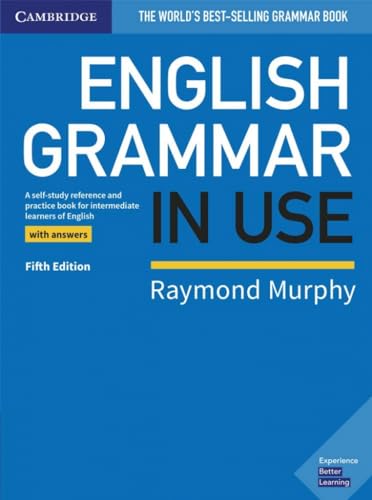
English Grammar in Use Book with Answers: A Self-Study Reference and…
Language Exchange Partner Platform Access
Structured Language Exchange Program
Magnifying Glass
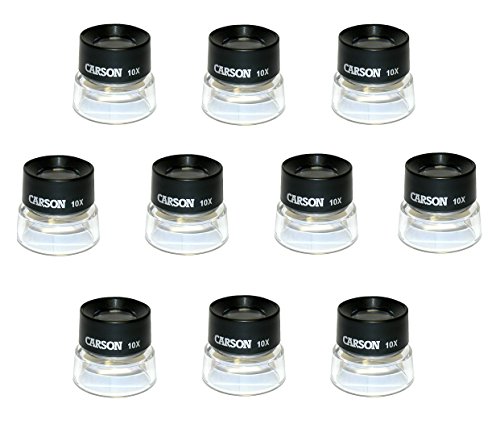
Carson LumiLoupe 4x Magnifier
Writing Implements (for practice)
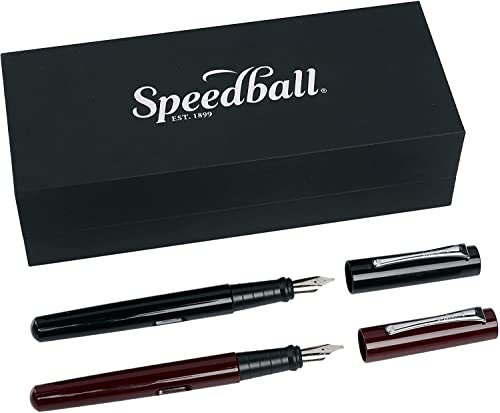
Speedball 002907 Calligraphy Fountain Pen Gift Set

Archival Paper
Canson Artist Series Acrylic Paper

Reference Books
Medieval Calligraphy: Its History and Technique
Digital Archive Access
Institutional Access via Library
Amazon affiliate links, we earn a small commission at no extra cost to you.
Common questions
Should I pick Language Learning or Paleography?
How different are Language Learning and Paleography?
Which is easier for beginners: Language Learning or Paleography?
Which costs more to start: Language Learning or Paleography?
Next steps
Still undecided?
Take the quiz: we'll match you to the right hobby, solo or with friends.