

Paper Planes vs Pottery
Side-by-side on feel, cost, and what your week needs to look like — so you can pick Paper Planes or Pottery with your real life in mind, not just the aesthetic.
Paper Planes and Pottery can feel similar on paper, but they ask for different weeks — Paper Planes suits at home · outdoors, Pottery suits at a venue. The clearest personality split is social: Pairs for Paper Planes, Community for Pottery.
Paper Planes
Fold and fly paper airplanes — from classic darts to record-chasing distance and time-aloft gliders.
Fold a sheet of paper into a glider that flies far — then chase distance, airtime, and aerobatics.
Pottery
Center wet clay on the wheel and pull it up into a bowl.
Ideal for those happy to spend hours shaping clay by hand.
Which is right for you?
Choose Paper Planes if…
- Essentially free, and fun the instant it leaves your hand.
- Surprisingly deep — distance, airtime, and aerobatic designs.
- Pure portable fun, indoors or out.
Choose Pottery if…
- The day clay finally locks under your palms and pulls up clean is the goal.
- You do not mind wet, messy hours and a studio full of other potters.
- Holding a lopsided bowl you actually threw would change how you drink coffee.
Experience profile50% overlap
Still
Moderate
Casual
Engaged
Pairs
Community
Balanced
Structured
Hours
Weeks
Light tweaks
Open-ended
Depth & mastery
Paper Planes
Progression · Quick-rewarding
Pottery
Progression · Lifelong craft
Practical fit
Shaded rows show where they differ.
Activity type
Both
Sensory & flags
Shared
Paper Planes only
Before you commit
Paper Planes
- The best designs need precise, careful folding.
- Tuning for straight flight takes a little patience.
- A casual pastime more than a deep, lasting craft.
Pottery
- Weeks of walls collapsing just as they rise would make you give up.
- Wet clay everywhere and a slow wheel are mess and pace you would dislike.
- The kiln cracking a piece you loved would be a sting you can't shake.
Starter gear
What you'll need
Essential kit only — what you actually buy on day one.
Gear not listed yet for this hobby.
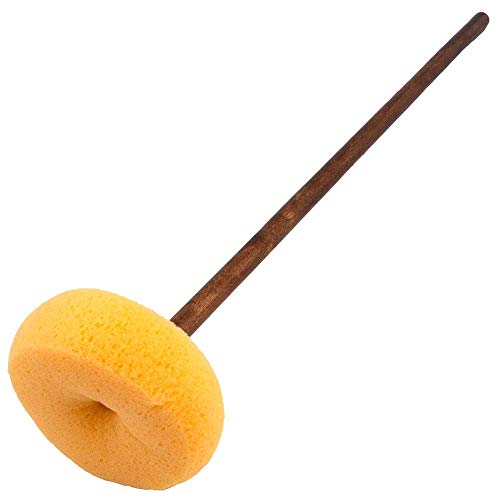
Sponge and Chamois
Kemper Tools KMSPG Clay & Pottery Sculpture

Pottery Tool Set
Speedball 12-Piece Pottery Tool Set

Pottery Clay
Laguna Clay | Cone 5 | B Mix with Speckles WC408
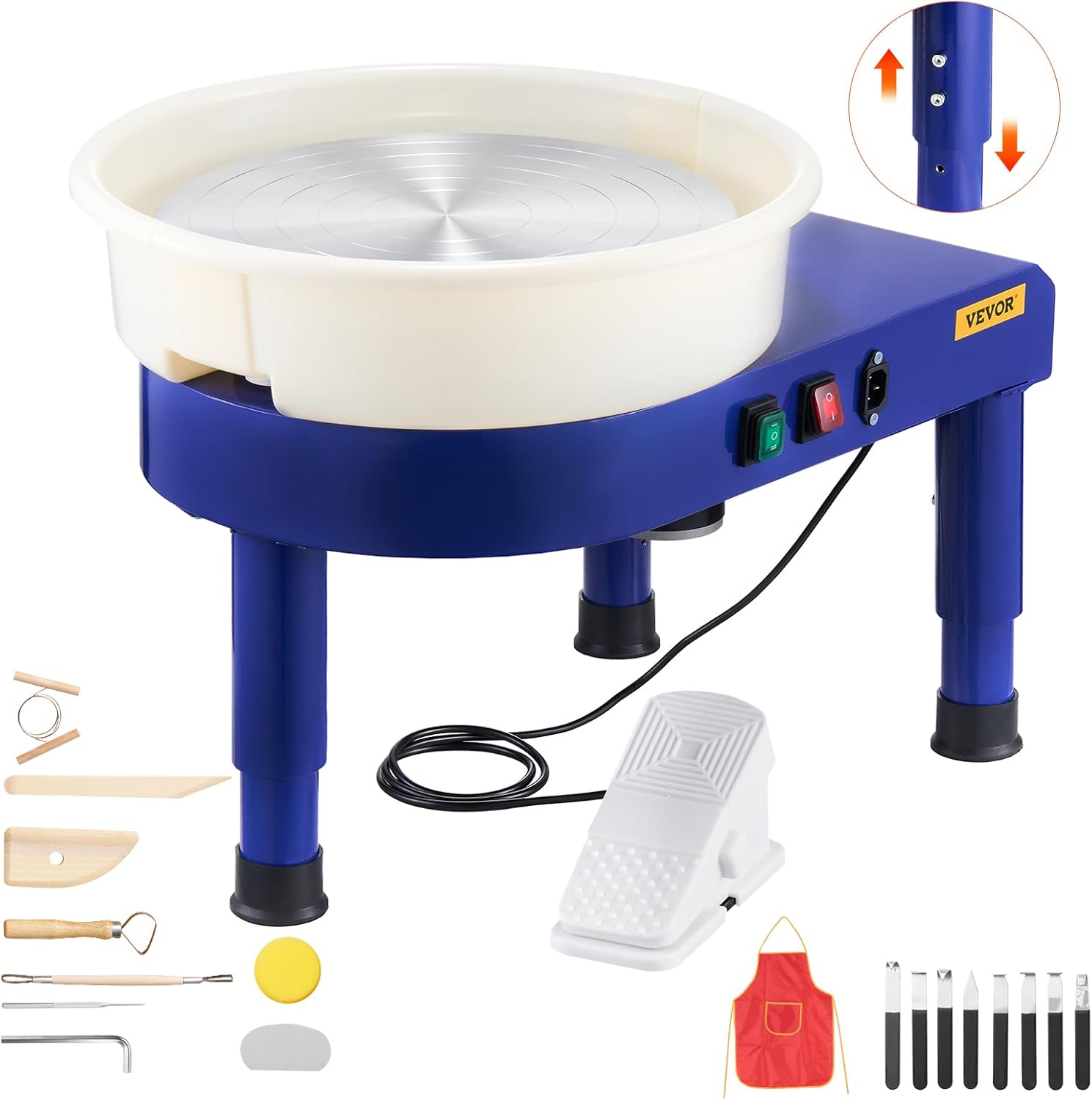
Potter's Wheel
VEVOR 25cm Pottery Wheel (LCD + 18-pc tool kit)

Clay Cutting Wire
MKM Pottery Tools Twisted Wire Clay Cutter with Toggle Handles
Amazon affiliate links — we earn a small commission at no extra cost to you.
Common questions
Should I pick Paper Planes or Pottery?
How different are Paper Planes and Pottery?
Which is easier for beginners — Paper Planes or Pottery?
Which costs more to start — Paper Planes or Pottery?
Next steps
Still undecided?
Take the quiz — we'll match you to the right hobby, solo or with friends.