

Quilling vs Sound Design
Side-by-side on feel, cost, and what your week needs to look like, so you can pick Quilling or Sound Design with your real life in mind, not just the aesthetic.
Quilling and Sound Design can feel similar on paper, but they ask for different weeks: Quilling suits under $50, Sound Design suits $300+. The clearest personality split is mental: Engaged for Quilling, Deep focus for Sound Design.
Quilling
Roll thin paper strips into intricate, surprisingly detailed art.
Roll thin paper strips into intricate, surprisingly detailed art.
Sound Design
Build the sounds a film, game, or track needs to feel real.
Build the sounds a film, game, or track needs to feel real.
Which is right for you?
Choose Quilling if…
- Fiddly, finger-aching rolling of thin paper strips sounds soothing to you.
- You can sink an evening into tiny, repetitive, precise movements.
- The surprise when people realize it's all curled paper delights you.
Choose Sound Design if…
- The moment a scene comes alive from a noise you built is quiet magic to you.
- You don't mind recording yourself snapping celery to fake a bone break.
- Layering five mundane sounds into one convincing thing appeals to you.
Experience profile92% overlap
Still
Still
Engaged
Deep focus
Solo
Solo
Structured
Structured
Instant
Hours
Open-ended
Open-ended
Depth & mastery
Quilling
Progression · Gradual mastery
Sound Design
Progression · Lifelong craft
Practical fit
Shaded rows show where they differ.
Activity type
Only Quilling
Only Sound Design
Sensory & flags
Quilling only
Sound Design only
Before you commit
Quilling
- Lopsided coils springing loose before they click would frustrate you.
- You expect quick progress, not a motif that takes a whole evening.
- Focusing on details this small and hard to see strains your patience.
Sound Design
- Drowning in plugins and routing at first would overwhelm you.
- Tweaking the same half-second for an hour would test your patience.
- You want recognition, not work no viewer will ever consciously notice.
Starter gear
What you'll need
Essential kit only, what you actually buy on day one.

Quilling Paper Strips
Auvotuis 5mm Width Quilling Paper Strips 40 Colors 900 Strips Paper…

Quilling Tool
Quilling Tool Set Slotted and Needle
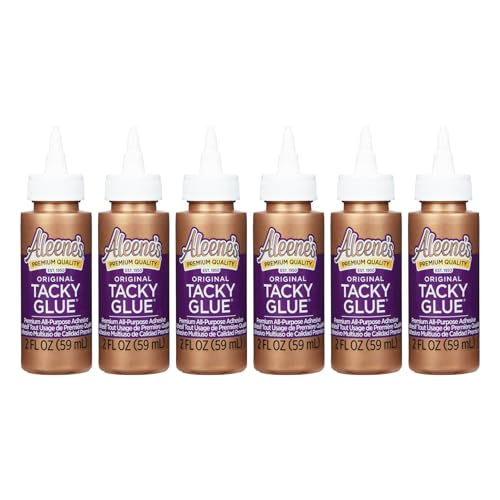
Quilling Glue
Aleene's Original Tacky Glue 4 oz

Quilling Tweezers
Xuron - 450S Tweezer Nose Pliers - Serrated

Large Diaphragm Condenser Microphone
Rode NT1 5th Generation Cardioid Condenser Microphone

Audio Interface
Focusrite Scarlett 2i2 4th Generation

Closed-Back Studio Headphones
Audio-Technica ATH-M50x Professional Studio Monitor Headphones

Pop Filter
Aokeo Metal Pop Filter,Metal Mesh Layer Microphone Windscreen for…
Microphone Stand
Heil Sound PL-2T Overhead Broadcast Boom
Amazon affiliate links, we earn a small commission at no extra cost to you.
Common questions
Should I pick Quilling or Sound Design?
How different are Quilling and Sound Design?
Which is easier for beginners: Quilling or Sound Design?
Which costs more to start: Quilling or Sound Design?
Next steps
Still undecided?
Take the quiz: we'll match you to the right hobby, solo or with friends.