

Rock Balancing vs Surfing
Side-by-side on feel, cost, and what your week needs to look like, so you can pick Rock Balancing or Surfing with your real life in mind, not just the aesthetic.
Rock Balancing and Surfing can feel similar on paper, but they ask for different weeks: Rock Balancing suits under $50, Surfing suits $300+. The clearest personality split is physical: Light for Rock Balancing, Active for Surfing.
Rock Balancing
Stack stones into impossible-looking towers that hold for a moment.
Stack stones into impossible-looking towers that hold for a moment.
Surfing
Read the swell, catch the wave, and ride the ocean's own energy.
Read the swell, catch the wave, and ride the ocean's own energy.
Which is right for you?
Choose Rock Balancing if…
- Feeling for the one contact point where a stone holds calms you.
- You can care about a tower that wind or water will soon take.
- Twenty patient minutes of micro-adjustments by a creek sounds perfect.
Choose Surfing if…
- One ride dropping in on the ocean's energy is worth years of paddling out.
- You are happy waiting for brief, powerful moments between long lulls.
- Cold water, wipeouts, and a humbling learning curve do not put you off.
Experience profile83% overlap
Light
Active
Deep focus
Engaged
Solo
Solo
Flexible
Flexible
Instant
Instant
Open-ended
Expressive
Depth & mastery
Rock Balancing
Progression · Gradual mastery
Surfing
Progression · Lifelong craft
Practical fit
Shaded rows show where they differ.
Activity type
Sensory & flags
Shared
Rock Balancing only
Surfing only
Before you commit
Rock Balancing
- Stacks toppling again and again before you let go would break your spirit.
- You want a finished thing that lasts, not a moment that falls.
- Crouching in stillness for long stretches would make you restless.
Surfing
- Spending most of a session paddling, getting tumbled, and missing waves would defeat you.
- You need steady progress, not a long curve that punishes you for months.
- Cold water and being held under after a wipeout sound like reasons to quit.
Starter gear
What you'll need
Essential kit only, what you actually buy on day one.

Field Gloves
SHOWA 300XL-10 Atlas Fit 300 Rubber-Coated Gloves
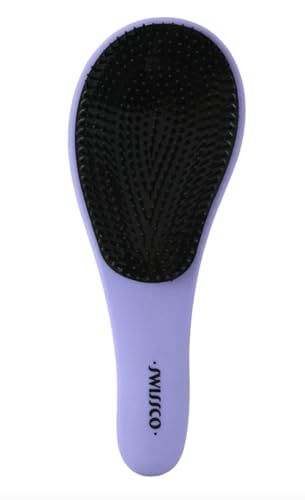
Small Brush
Swissco Soft Touch Detangling Hair Brush for Natural

Surfboard Fins
FCS II Performer Neo Glass Medium Tri Fin Set

Surf Leash
Creatures of Leisure Reliance 2.0 Standard Duty 7ft Surf Leash

Surf Wetsuit
O'Neill 3/2mm Psycho Tech Back Zip Full Wetsuit-Black/Black-Large Tall

Surfboard
Thurso Surf Spire 8ft Soft Top

Surf Wax
Sticky Bumps Warm/Tropical Surf Wax
Amazon affiliate links, we earn a small commission at no extra cost to you.
Common questions
Should I pick Rock Balancing or Surfing?
How different are Rock Balancing and Surfing?
Which is easier for beginners: Rock Balancing or Surfing?
Which costs more to start: Rock Balancing or Surfing?
Next steps
Still undecided?
Take the quiz: we'll match you to the right hobby, solo or with friends.