

Swimming vs Trail Running
Side-by-side on feel, cost, and what your week needs to look like — so you can pick Swimming or Trail Running with your real life in mind, not just the aesthetic.
Swimming and Trail Running can feel similar on paper, but they ask for different weeks — Swimming suits at a venue · outdoors, Trail Running suits outdoors. The clearest personality split is mental: Automatic for Swimming, Engaged for Trail Running.
Swimming
Move through water with technique that turns laps into real fitness.
Ideal for those who want the best full-body cardiovascular exercise with virtually zero joint impact.
Trail Running
Run dirt, roots, and ridgelines where the roads end.
Ideal for those who want to combine the outdoors and the run, two proven wellbeing activities in one.
Which is right for you?
Choose Swimming if…
- You want full-body cardio that's gentle on your knees and joints.
- The black line and your breath reducing the world to quiet appeals to you.
- You'd push through gasping early laps to reach an effortless glide.
Choose Trail Running if…
- You want the outdoors and the run combined, roots and ridgelines underfoot.
- A clean kind of tired with your head quiet on an empty ridge is the draw.
- You are fine walking the steep parts and reading roots three feet ahead.
Experience profile75% overlap
Active
Intense
Automatic
Engaged
Solo
Solo
Structured
Flexible
Days
Days
Pure execution
Light tweaks
Depth & mastery
Swimming
Progression · Gradual mastery
Trail Running
Progression · Gradual mastery
Practical fit
Shaded rows show where they differ.
Sensory & flags
Shared
Trail Running only
Before you commit
Swimming
- Needing a pool or open water every time makes it too venue-dependent.
- Memberships, entry fees, and chlorine on your hair and skin would wear thin.
- You'd rather muscle through than patiently rebuild your stroke technique.
Trail Running
- Tripping and rolling an ankle on roots and rocks would put you off fast.
- Running slower and harder than on road would frustrate you, not free you.
- You want flat, predictable pavement, not terrain that drops your eyes down.
Starter gear
What you'll need
Essential kit only — what you actually buy on day one.
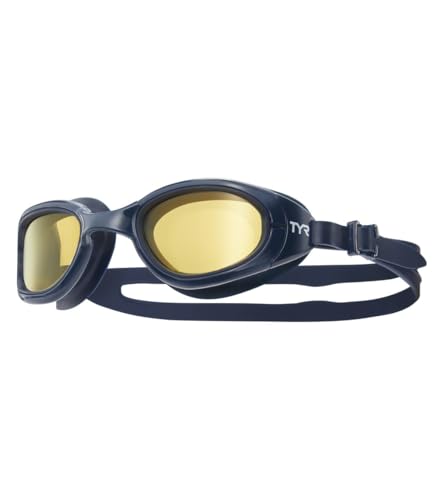
Goggles
TYR Special Ops 2.0
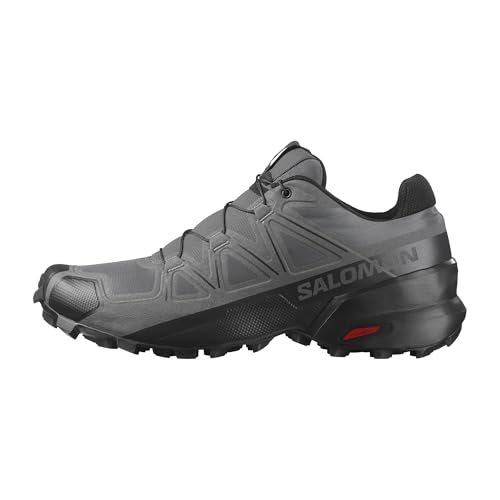
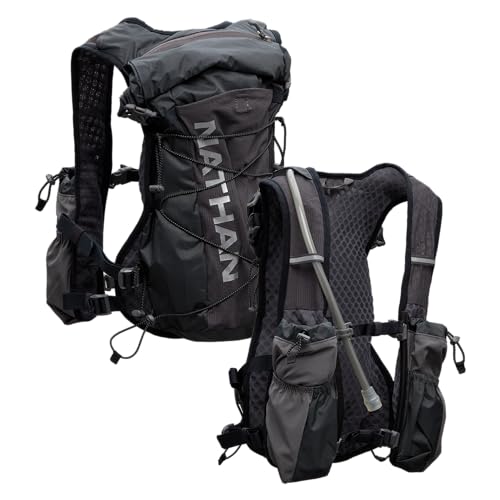
Amazon affiliate links — we earn a small commission at no extra cost to you.
Common questions
Should I pick Swimming or Trail Running?
How different are Swimming and Trail Running?
Which is easier for beginners — Swimming or Trail Running?
Which costs more to start — Swimming or Trail Running?
Next steps
Still undecided?
Take the quiz — we'll match you to the right hobby, solo or with friends.