Best Candle Fragrance Oils (2026): Why Essential Oils Are Not the Answer
The most common disappointment in candle making is a candle that smells wonderful cold and of nothing at all when lit. Almost always the cause is one of three things: the wrong kind of oil, too little of it, or not enough patience before burning. None of them are obvious, and shops sell essential oils next to fragrance oils as though they were interchangeable.
HobbyStack may earn a commission from links on this page at no extra cost to you. Our picks are chosen on merit; the commission helps fund the research.
- Fragrance oils are formulated to survive being burned. Most essential oils are not, and vanish in wax.
- Fragrance load is the percentage of oil by weight. 6-10% is normal; under 6% usually smells of nothing.
- Cure the candle. Soy needs one to two weeks before the scent throws properly.
- Cold throw is the smell unlit; hot throw is when burning. They are different and only one matters.
- Buy a sampler set first. Scent preference is personal and a big bottle of the wrong one is dead money.
 Fiora Naturals Fragrance Oil SetFinding what you like$17Check price
 Our pickP&J Farmhouse SetMost beginners$17Check price
 P&J Sweet Set (14 x 10ml)Making in quantity$36Check price
Essential oils versus fragrance oils
This is the mistake that costs beginners the most money.
Essential oils are distilled from plants. They are volatile by nature, many have flash points below the temperature of a candle flame, and a large proportion of the aroma simply burns off. They are also expensive per unit of scent. A candle made with lavender essential oil often smells of hot wax.
Fragrance oils are blended specifically to survive being heated and released slowly from wax. They are formulated with the flash point and the wax in mind, which is why a candle-rated oil throws scent across a room and a distilled oil frequently does not.
There are exceptions — some heavier essential oils do work — but as a rule, if the bottle does not say it is for candle making, assume it is not.
Buy oils sold for candles, and check the supplier states a maximum fragrance load.
Load, cure and throw
Fragrance load is the weight of oil as a percentage of the wax. Most soy waxes take 6-10%. Under about 6% and there is simply not enough oil in there to smell; above the supplier's maximum and the wax cannot hold it, so it sweats out onto the surface and can affect how it burns.
Weigh it, do not measure by drops. For 500g of wax at 8%, that is 40g of oil.
Curing is leaving the poured candle to sit before burning. The oil and wax continue binding for days after the wax has set, and burning too early gives a weak throw from a candle that would have been fine a week later. Soy wants one to two weeks; paraffin is quicker. It is the single most common reason a beginner's candle underperforms.
Cold throw is what you smell from an unlit candle. Hot throw is what fills a room when it burns. They correlate loosely at best — a strong cold throw is not a promise, which is why judging your own candles before curing tells you very little.
 Best for finding what you like
Fiora Naturals Fragrance Oil Set for Candle Making
A sampler of candle-rated oils, and sampling is genuinely the correct first purchase rather than a compromise. Scent preference is personal and unpredictable — people who are certain they want vanilla routinely find they prefer something woody once they smell it in wax — and a large bottle of a scent you do not love is money you cannot recover. Small bottles let you test six or eight profiles across a couple of batches and find the two or three you will actually make repeatedly. The trade-off is quantity: these will not carry you through a production run, and per millilitre they cost more than buying one scent in volume.
What's good
- Candle-rated, not essential oils
- Several profiles to test cheaply
- Right first purchase for finding preferences
- Small bottles, low waste
What's not
- Not enough volume for repeat batches
- Dearer per millilitre
- Scent list is fixed
- Some profiles will be duds for you
 Best for most beginners
P&J Fragrance Oil Farmhouse Set
Fifteen candle-rated scents in a warm, domestic profile — the register most people actually want in a room rather than the one that sounds interesting in a shop. Enough different bottles to run several test batches and work out which two or three you want in volume, and the quantity in each is sufficient to make a real candle rather than a token one, which matters because a tiny pour does not tell you how a scent behaves at proper load. The scents are blends rather than single notes, so they are less predictable from the name than an essential oil would be. Give each one a proper cure before judging it.
What's good
- Fifteen scents — real range to test
- Enough per bottle for a proper candle
- Warm profile suits most rooms
- Genuinely candle-rated
What's not
- Blends are less predictable than single notes
- Fixed scent list, no choosing
- Still not volume quantities
- Some will not suit you
 Best for making in quantity
P&J Trading Fragrance Oil Sweet Set (14 x 10ml)
Larger 10ml bottles across a sweet-leaning range, and the reason to step up is volume rather than a different grade of oil. Once you know which scents you actually return to, bigger bottles stop you running out mid-batch and bring the cost per candle down noticeably — which matters as soon as you are making for gifts or to sell. Fourteen scents is still enough range to keep testing at the edges. The obvious caveat is that it only makes sense after the sampling stage: buying volume before you know your preferences is exactly the mistake the cheaper sets exist to prevent, and sweet profiles in particular divide people sharply.
What's good
- Larger bottles — better cost per candle
- Fourteen scents, still room to experiment
- Right step once you know your preferences
- Consistent, candle-rated formulation
What's not
- Wrong purchase before you have sampled
- Sweet profile is divisive
- Most expensive here
- Volume of a scent you tire of is dead money
Fragrance load is a percentage by weight, so 500g of wax at 8% needs 40g of oil — drops are not a unit. Then leave the candle one to two weeks before burning it. Most "this candle has no scent" problems are one of those two things, and both are free to fix.
Wick size interacts with scent
A candle that will not throw scent is sometimes not a fragrance problem at all. If the wick is too small for the container, the melt pool never reaches the edges, so only a small area of wax is warm and releasing scent — and the candle also tunnels down the middle, wasting most of it.
The test is the first burn: light it and leave it until the melted pool reaches the edge of the jar. If it has not done so within about three or four hours, the wick is too small for the diameter.
Getting the wick right will do more for scent throw than switching oils, and it is the thing beginners adjust last.
Before you buy
Buy oils sold for candle making. Most essential oils burn off.
Start with a sampler. Scent preference is personal and hard to predict.
Weigh the oil to a percentage of the wax, usually 6-10%.
Cure soy candles one to two weeks before judging them.
If throw is weak, check the wick size before blaming the oil.
Candle fragrance questions
Can I use essential oils in candles?
How much fragrance oil goes in a candle?
Why does my candle smell strong cold but not when lit?
How long should I cure a candle?
Buy oils sold for candle making, not essential oils, and start with a sampler because scent preference is genuinely unpredictable. The P&J Farmhouse set is the sensible first buy — enough range to find what you like and enough in each bottle to make a real candle. Move to the larger 10ml sets once you know which two or three you keep coming back to. Then weigh your oil to 6-10%, cure for two weeks, and check the wick before blaming the fragrance.
Ready to actually do it?
The first candle making quest takes an evening, and it tells you whether the gear was worth it better than any review can.
Start Candle MakingThe HobbyStack editorial team researches each guide against manufacturer specifications, published resources and practitioner sources. Every product is checked for availability and described against its current listing before publication, and prices are re-checked when guides are updated.
About our editorial process →More gear guides
All guides
Best Candle Making Kit for Beginners (2026): 3 Picks
A soy candle starter kit is one box with everything you need to pour your first candles: wax, wicks, fragrance, a pouring pitcher, and jars or tins. The spec that actually matters for a beginner is soy wax (not paraffin or a "blend"), because it melts at a low temperature, pours easily, and is very forgiving when you get the amount or timing a little wrong.

Best Candle Pouring Pitcher (2026): The Spout Is the Whole Tool
Everything else in candle making tolerates improvisation. The pour does not. You are moving hot liquid wax into a narrow-mouthed jar around a centred wick, and a pot without a proper spout dribbles down the outside, floods the wick and leaves you cleaning wax off a worktop instead of making candles.

Best Macrame Cord (2026): Single Strand Combs Out, Three-Ply Does Not
Cord comes in three constructions and they behave completely differently at the one moment that matters most: whether you can comb the ends out into soft fringe. Single strand combs beautifully. Three-ply gives you a crinkled, curly fringe instead. Braided will not comb at all. Buy the wrong one for your project and the finish is decided for you.

Best Macrame Kit for Beginners (2026): 3 Picks for Your First Knots
A macrame kit gives you the cord, the rings and dowels, and (crucially) a guide, so you can knot your first plant hanger or wall hanging without buying anything separately. The cord is the heart of it: soft 3mm cotton is the beginner standard. Here are three good ones, from a single-project starter to a big multi-project kit with a project book.
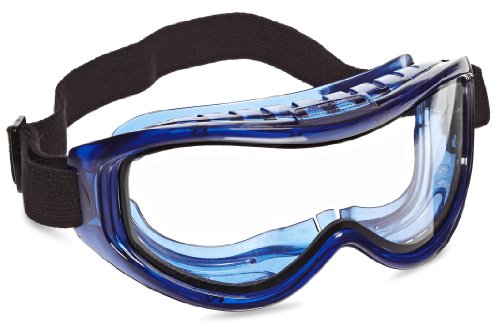
Best Soap Making Goggles (2026): Lye Takes Eyesight, and Glasses Are Not Enough
Sodium hydroxide dissolves protein, which is how it turns oil into soap and also what it does to an eye. A splash does not sting and then wash out; it keeps reacting, and it can take sight permanently in seconds. Safety glasses leave the sides open, and a splash from a stirring pot does not arrive from straight ahead.
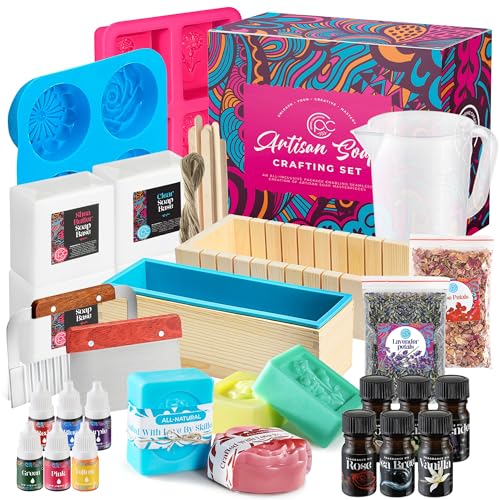
Best Soap Making Kit for Beginners (2026): 3 Melt-and-Pour Picks
The easiest way to start making soap is a melt-and-pour kit, which skips the lye and safety hazards of traditional soap making entirely: you melt a ready-made base, add colour and scent, and pour it into molds. A kit bundles the base, molds, colourants, and fragrance so you can make your first bars in an afternoon. Here are three good ones, from a simple starter to a deluxe box.