Best Garden Hose (2026): Why Cheap Hoses Kink and Good Ones Do Not
A garden hose is a thing nobody thinks about until theirs kinks behind them for the fourth time in one watering. The difference between a hose that does that and one that does not is entirely material and construction, both of which are printed on the packaging and both of which most people ignore in favour of length and price.
HobbyStack may earn a commission from links on this page at no extra cost to you. Our picks are chosen on merit; the commission helps fund the research.
- Kinking is a material problem. Cheap vinyl kinks; hybrid polymer and rubber largely do not.
- 5/8 inch is the standard diameter and the right one for almost every garden.
- Buy the length you need, not more. Longer hoses lose pressure and are heavier to drag.
- Metal fittings outlast plastic ones by years, and crushed fittings are the usual failure point.
- Drain it before a hard frost. Water expanding inside is what splits hoses over winter.
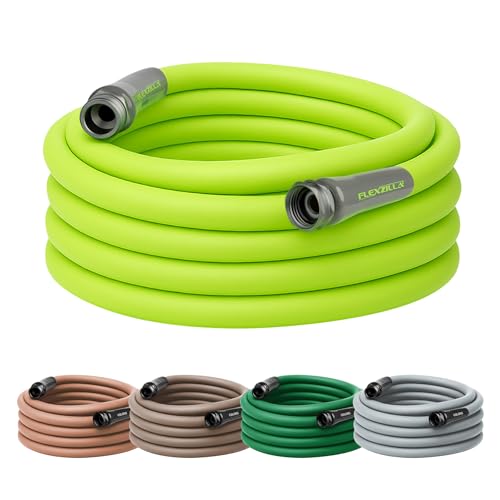 Our pickFlexzilla 5/8 in x 50 ftMost gardens$40Check price
 Gilmour Flexogen 75 ftLarger plots$36Check price
 Heavy Duty Rubber Hose 50 ftHard use and cold$60Check price
Why hoses kink
A kink is the hose wall collapsing on itself. Whether it does that depends on the material and how the wall is built.
Vinyl is cheap, light and stiff, and it kinks readily — especially cold, and increasingly as it ages and hardens in sunlight. Most very cheap hoses are vinyl.
Hybrid polymer is a newer material engineered for flexibility. It stays limp and floppy in the cold rather than going rigid, which is exactly what stops a kink forming, and it lies flat instead of trying to coil back to its packaged shape.
Rubber is the traditional professional answer. It resists kinking, tolerates hot water and high pressure, and lasts for years. It is also heavy — noticeably so at fifty feet — which is the reason most domestic gardeners do not choose it.
Multi-layer construction, where a braided reinforcing layer sits between inner and outer walls, is what lets a mid-priced hose resist kinking without being solid rubber.
Diameter, length and pressure
Diameter is the internal bore. 5/8 inch is the standard and delivers a good balance of flow and weight — that is the one to buy. 1/2 inch is lighter and carries noticeably less water, which shows when you run a sprinkler. 3/4 inch is for long runs and serious irrigation, and is heavy.
Length costs you pressure. Every extra foot adds friction, so a 100ft hose delivers less at the nozzle than a 50ft one from the same tap. It is also much heavier to drag and to coil.
Buy the shortest hose that reaches the far corner of what you water. If one bed is beyond it, a second short hose and a connector beats one very long one — and you only drag out the length you need.
 Best for most gardens
Flexzilla Garden Hose 5/8 in. x 50 ft.
A hybrid polymer hose, and the material is the whole reason to buy it. It stays genuinely flexible in cold weather where vinyl goes stiff and kinks, and it lies flat rather than fighting to return to the coil it was packaged in — which is what makes dragging it round a garden pleasant instead of a battle. Light enough to carry easily, with metal fittings that will not crush the way cheap plastic ones do. Two honest quirks: the bright green is not to everyone's taste, and being so flexible it can be slightly awkward to coil neatly on a reel. For most gardens this is simply the right hose.
What's good
- Stays flexible in cold — the main anti-kink feature
- Lies flat instead of coiling back
- Light to drag around
- Metal fittings
What's not
- Bright green is divisive
- Very flexible, so it coils untidily
- Outer layer scuffs on rough paving
- Not as tough as rubber under real abuse
 Best for a larger plot
Gilmour 864751-1001 75ft Heavy Duty Flexogen Garden Hose
Seventy-five feet of multi-layer hose for roughly the price of fifty feet of the hybrid, which is the argument for it if your garden is genuinely long. The layered construction with a reinforcing braid resists kinking well without the full weight of rubber, and the outer layer takes being dragged over paving better than the softer polymer hoses do. The extra twenty-five feet is not free, though: you lose a little pressure at the nozzle over the longer run, and it is heavier and slower to coil. Buy it because you need the reach, not because more hose is better — if fifty feet covers your garden, the shorter hose is the nicer thing to use.
What's good
- 75 ft for the price of most 50 ft hoses
- Reinforced multi-layer, resists kinking
- Tougher outer layer for rough surfaces
- Good value per foot
What's not
- Longer run means less pressure at the nozzle
- Heavier to drag and coil
- Stiffer than hybrid polymer in cold
- More hose than most gardens need
 Best for hard use
Guitrees 50FT 5/8" Heavy Duty Rubber Garden Hose
A true rubber hose rather than vinyl or a hybrid blend, which is what commercial growers and fire crews use for the same reason: it tolerates abuse, high pressure and hot water, and it stays flexible in cold that turns cheaper hoses into rigid tubing. Rated well above domestic mains pressure, so it is untroubled by anything a tap will do to it. The cost is weight — rubber at fifty feet is meaningfully heavier to drag around a garden than polymer, and you notice it every time. Buy it if your hose gets left out, driven over, used in winter or connected to something demanding. For gentle domestic watering it is more hose than you need.
What's good
- Rubber tolerates real abuse and hot water
- Stays flexible in genuine cold
- High pressure rating
- Very long service life
What's not
- Heavy — you feel it dragging fifty feet
- Most expensive here
- Overkill for light domestic watering
- Bulky to store
Water left inside a hose expands as it freezes and splits the wall or bursts the fitting — and you only find out in spring. Disconnect it, walk the length lifting it hand over hand to run the water out, and store it coiled somewhere it will not freeze solid. It takes two minutes and is the single most common way hoses die.
Fittings are where hoses actually fail
The hose wall usually outlives the connectors. Stamped plastic or thin aluminium fittings crush if trodden on or over-tightened, and once out of round they never seal properly again — you get a fine spray at the tap for the rest of the hose's life.
Solid brass or heavy machined metal fittings resist that. If you are choosing between two similar hoses, the fittings are a better tiebreaker than the wall material.
When a fitting does go, it is replaceable. Repair ends cost a few pounds and clamp onto the cut hose, which is far cheaper than a new hose and takes about five minutes.
Before you buy
Buy 5/8 inch unless you have a specific reason not to.
Measure the furthest thing you water. Buy that length, not more.
Hybrid polymer or rubber if kinking annoys you. Avoid plain vinyl.
Check the fittings are metal — that is where hoses usually fail.
Drain it before the first hard frost.
Garden hose questions
Why does my garden hose keep kinking?
What diameter garden hose should I buy?
Does hose length affect water pressure?
How do I stop a hose splitting over winter?
Buy 5/8 inch, in the shortest length that reaches, with metal fittings. The Flexzilla is the right hose for most gardens — it stays flexible in the cold, lies flat, and is light enough that dragging it around is not a chore. Take the Gilmour if your garden genuinely needs seventy-five feet. Go rubber if the hose gets left out, driven over or used through winter. And drain whatever you buy before the first hard frost.
Ready to actually do it?
The first gardening quest takes an evening, and it tells you whether the gear was worth it better than any review can.
Start GardeningThe HobbyStack editorial team researches each guide against manufacturer specifications, published resources and practitioner sources. Every product is checked for availability and described against its current listing before publication, and prices are re-checked when guides are updated.
About our editorial process →More gear guides
All guides
Best Beginner Gardening Pruners 2026: Fiskars vs Felco F-2 vs Felco F-8
Hand pruners are the most-used tool in any garden: deadheading, harvesting vegetables, shaping shrubs, cutting back perennials. The right pair makes clean cuts without crushing stems (which invites disease); the wrong pair bruises more than it cuts. Here are three options: a reliable budget shear, the Swiss-made professional standard, and Felco's ergonomic model for gardeners with hand fatigue.

Best Beginner Fishing Rod and Reel Combo 2026: Spinning Setups That Just Work
For your first setup, a matched spinning rod-and-reel combo is the right call: it's pre-balanced, forgiving to cast, and gets you fishing without choosing parts you don't understand yet. Here are three combos that punch above their price, from a near-indestructible classic to a saltwater-ready upgrade.
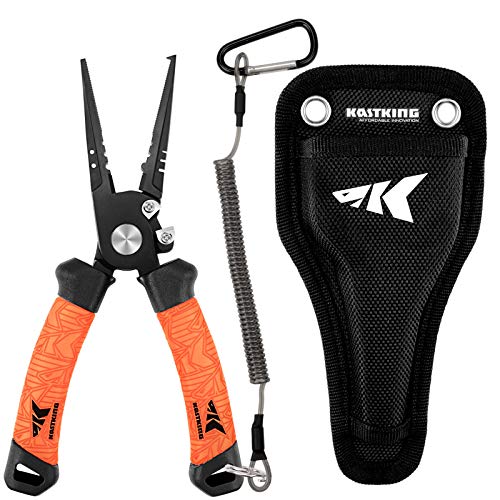
Best Fishing Pliers (2026): Braid Destroys Ordinary Cutters
Braided line is woven from the same fibre used in body armour, and it does not cut so much as fray under a normal blade. A pair of pliers that handles mono perfectly well will chew braid into a fuzzy mess, and the fix is a specific material rather than a sharper edge.

Best Tackle Box for Beginners (2026): 3 Real Picks
A tackle box is where all your lures, hooks, and terminal tackle live, and how you store it shapes how easily you fish. The real question isn't which box is 'best' but how much tackle you carry and how you get to the water: a simple tray box is perfect if you fish from one spot, a backpack is better if you hike or bank-hop, and a modular system is the answer once your collection grows. The key thing to understand is the standard that runs through all of them, the 3700 utility box, which lets you scale storage without starting over. Here are three good options across the range, plus how to choose.

Best Grow Containers (2026): Air Pruning, Depth and How Often You Water
A plant in a plastic pot eventually runs its roots into the wall and starts going round in circles, and it keeps circling until the whole rootball is a knot that can no longer feed it. A fabric pot stops that from happening, using nothing more complicated than air.

Best Bee Suit for Beginners (2026): Bees Sting Straight Through Thin Cotton
A bee sting is about two millimetres of sting, which is more than enough to reach skin through a single layer of cotton pulled tight over a shoulder or a knee. Beekeepers get stung through their suits constantly, and it is almost always where the fabric was touching them.