Best Running Shoes for Beginners (2026): Cushioning, Fit and the Gait Myth
Running shoes are sold on technology and bought on hope. The evidence that matching a shoe to your gait prevents injury is far weaker than shop advice implies, while the two things that reliably matter — a shoe that fits properly and one you find comfortable — get treated as afterthoughts. Start there and you will spend less and enjoy it more.
HobbyStack may earn a commission from links on this page at no extra cost to you. Our picks are chosen on merit; the commission helps fund the research.
- Comfort is the best available predictor. If a shoe feels wrong in the shop it will not improve at mile five.
- Buy half a size up. Feet swell while running, and a toe hitting the front is how you lose toenails.
- Neutral cushioned shoes suit most beginners. Stability shoes are a solution to a problem you may not have.
- Gait analysis is oversold. The research linking pronation-matched shoes to fewer injuries is weak.
- Shoes last roughly 300-500 miles. Track it — worn cushioning is felt in the knees, not the feet.
 Saucony Cohesion 18First pair$60Check price
 Our pickASICS Gel-Nimbus 27Most people$110Check price
 HOKA Bondi 8Heavier runners, long slow miles$110Check price
The gait analysis question
Walk into most running shops and you will be filmed on a treadmill and told whether you overpronate — whether your foot rolls inward as it lands — and then sold a shoe matched to that.
The intuition is reasonable. The evidence is not strong. Several controlled studies have found that assigning shoes by pronation type did not reduce injury rates compared with giving everyone a neutral shoe, and in some cases the matched group did slightly worse.
What does correlate with fewer problems is comfort. Runners who pick the shoe that feels best to them tend to get injured less than those given a shoe by category. That is a genuinely useful finding, because it means the test is one you can do yourself in a shop, for free.
None of which makes gait analysis useless — if you have a history of a specific injury, an expert eye is worth having. But as a first purchase, comfort beats category.
Fit, which is where the real mistakes happen
Buy running shoes about half a size larger than your normal shoes. Feet swell over a run, sometimes considerably, and a shoe that is merely snug when you try it becomes tight after three miles. You should be able to press a thumb-width between your longest toe and the end.
Try them at the end of the day, when your feet are already a little swollen, and in the socks you will actually run in. Sock thickness changes fit more than people expect.
Width matters as much as length and is more often ignored. If the shoe feels like it is squeezing across the ball of your foot, that will not stretch out — several brands sell wide fittings and it is worth asking.
And the heel should not slip. A little movement is tolerable walking and becomes a blister at running pace.
 Best first pair
Saucony Men's Cohesion 18 Running Shoe
A sensible entry shoe from a serious running brand, which is a meaningfully different thing from a cheap shoe from a fashion one. Neutral cushioning, a fairly firm ride, and a build that will comfortably see you through a couch-to-5k and well beyond. Nobody will pretend it is exciting: the foam is basic compared with the pricier shoes here, so it feels flatter underfoot and it will not stay springy as long. That matters less than it sounds at the distances a beginner runs. The important thing is that it fits properly and comes from a company whose lasts are designed around running feet. Buy this, run in it, and let it teach you what you want next.
What's good
- Proper running brand at an entry price
- Neutral — suits most beginners
- Durable enough for a first training block
- Widely available in wide fittings
What's not
- Basic foam, flatter ride
- Cushioning fades sooner than pricier shoes
- Heavier than performance models
- Not for long slow distance
 Best for most people
ASICS Men's Gel-Nimbus 27 Running Shoe
One of the most consistently recommended everyday trainers in running, and the reason is that it does not ask you to have an opinion. Deep neutral cushioning that stays comfortable as distances grow, an upper that holds the foot without pressure points, and enough durability to absorb real weekly mileage. It is the shoe to buy if you intend to keep running rather than to find out whether you will. Two honest caveats: it is a heavy shoe, so it does not feel fast, and the deep cushioning damps the feedback from the ground that some runners like. Neither is a flaw for the person doing three or four steady runs a week.
What's good
- Comfortable well past 10k
- Reliable, well-proven upper and fit
- Durable — takes real weekly mileage
- Neutral, so it suits most people
What's not
- Heavy — it does not feel quick
- Deep cushioning mutes ground feel
- Costs more than a first pair needs to
- Bulky under the arch for narrow feet
 Best for long slow miles
Hoka Bondi 8 Running Shoes
Maximum cushioning, and a genuinely different feel rather than simply more of the same. The stack of foam under the foot is deep enough to noticeably soften impact, which is why it is often recommended to heavier runners, to people returning from injury, and for long slow efforts where the pounding accumulates. The rocker shape rolls you forward rather than letting you push off flat. It takes a few runs to get used to, and it is not for everyone: all that foam sits you high off the ground, which feels less stable on uneven surfaces, and it is a poor choice for anything fast. Buy it for comfort over distance, not for speed.
What's good
- Softest landing of the three
- Suits heavier runners and injury returns
- Rocker shape helps at slow steady paces
- Excellent for long easy miles
What's not
- High stack feels less stable on uneven ground
- Poor for faster running
- Takes adjustment
- Most expensive here
Running shoes are usually done between 300 and 500 miles, and the cushioning dies long before the upper looks worn — so a shoe can look fine and be finished. Note the date you start a pair, or log them in whatever app you use. The first sign is usually a new ache in the knees or shins rather than anything you feel in your feet.
Do I need stability shoes?
Stability shoes add firmer foam or a supportive structure on the inner side to resist the foot rolling inward. If you have been told you overpronate, that is what is being recommended.
Some pronation is normal and part of how a foot absorbs impact. The question is whether excessive pronation actually causes injury in a way that a shoe corrects, and the evidence for that is weaker than the marketing suggests.
A practical position: start neutral, and pay attention. If you develop persistent pain on the inside of the shin or knee, that is worth taking to a physiotherapist — who may recommend stability shoes, and will be doing so for a specific reason rather than from a treadmill video.
Before you buy
Buy about half a size up — feet swell as you run.
Try them at the end of the day, in your running socks.
Pick the pair that feels best. Comfort predicts injury better than category does.
Start neutral unless a physiotherapist has told you otherwise.
Note the date you start them and replace at 300-500 miles.
Running shoe questions
Do I need gait analysis before buying running shoes?
What size running shoes should I buy?
How often should I replace running shoes?
Are expensive running shoes worth it?
Buy a neutral cushioned shoe half a size up, and pick the pair that feels best rather than the one a category chart points at. The ASICS Gel-Nimbus 27 is the one for most people who intend to keep running. The Saucony Cohesion 18 is a proper running shoe at an entry price and the sensible way to start. The HOKA Bondi 8 is worth it for long slow miles or if you are heavier and want the softest landing. Then note the date and replace them somewhere around 300 to 500 miles.
Ready to actually do it?
The first running quest takes an evening, and it tells you whether the gear was worth it better than any review can.
Start RunningThe HobbyStack editorial team researches each guide against manufacturer specifications, published resources and practitioner sources. Every product is checked for availability and described against its current listing before publication, and prices are re-checked when guides are updated.
About our editorial process →More gear guides
All guides
Best Running Hydration 2026: Handheld vs Vest (Nathan & Salomon)
Once your runs stretch past an hour, carrying water stops being optional, but how you carry it depends almost entirely on how long you run. A handheld flask covers the daily training run most people do; a vest is what you want when you start going long or hit the trail. Here's how to choose, and why belts have fallen out of favor.

Best Running Watch for Beginners 2026: Garmin Forerunner 55 vs 265 vs 965
A GPS running watch gives you accurate pace and distance at a glance, the one piece of running tech that genuinely changes your training. They're all Garmin Forerunners here (the series owns running), and the only real question is how much watch you need: the essentials, the training metrics, or the maps. For most new runners, the cheapest does everything.
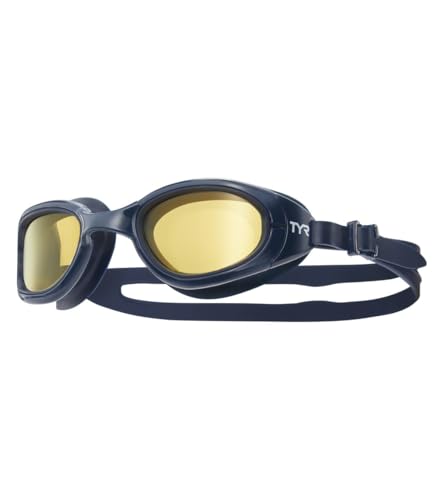
Best Beginner Swim Goggles (2026): 3 Picks That Won’t Leak
Leaky, fogged-up goggles ruin a swim faster than anything. A good pair seals without crushing your eye sockets, stays clear, and disappears once you are in the water. Here are three that nail it, from a lap-swimming staple to a wide-view pair you'll forget you're wearing.

Best Pull-Up Bar 2026: ProsourceFit vs Iron Gym Doorway Bars vs RELIFE Power Tower
A pull-up bar is the cornerstone of home calisthenics, and the first decision is the mount: a doorway bar is cheap, instant, and renter-safe but does pull-ups only, while a free-standing power tower is sturdier and does far more but costs space and money. Here are three honest picks and which one fits your home.

Best Beginner Bike Helmets (2026): 3 Safe Picks
A helmet is the one piece of cycling gear you should never skip, and the good news is a great one doesn't cost much. The thing to look for is MIPS, a liner that helps with the angled hits that cause most head injuries. All three picks below have it, from a cheap first lid to a lighter, better-vented upgrade.
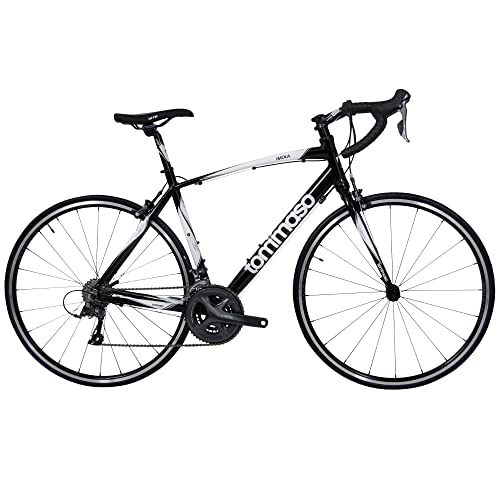
Best Beginner Road Bike (2026): 3 Real Picks You Can Actually Buy Online
A good first road bike is less about the brand on the frame and more about a few basics: a light aluminum frame, a Shimano drivetrain that shifts cleanly, and a fit that suits you. Quality road bikes are surprisingly scarce and pricey on Amazon, so it pays to skip the no-name bargains and stick to real brands. Here are three you can genuinely buy, from an affordable Schwinn to a carbon-fork Tommaso to grow into.