

Automata vs Board Game Design
Side-by-side on feel, cost, and what your week needs to look like, so you can pick Automata or Board Game Design with your real life in mind, not just the aesthetic.
Automata and Board Game Design can feel similar on paper, but they ask for different weeks: Automata suits fixed location, Board Game Design suits portable. The clearest personality split is payoff: Instant for Automata, Weeks for Board Game Design.
Automata
Build kinetic sculptures that move on cams, gears, and clever linkages.
Build hand-cranked machines where cams and gears bring a little carved scene to life.
Board Game Design
Invent the rules, balance them, and watch strangers play your game.
Invent the rules, balance them, and watch strangers play your game.
Which is right for you?
Choose Automata if…
- A pure hit of delight every time the crank turns and the scene comes alive.
- Blends mechanical problem-solving with genuine artistic expression.
- Quiet, compact, low-cost work you can do at a small desk.
Choose Board Game Design if…
- You would happily watch a brilliant idea break at its first playtest.
- Spreadsheets and marker-scrawled paper prototypes sound like fun, not chores.
- You instinctively re-engineer the rules of everyday games.
Experience profile75% overlap
Still
Still
Deep focus
Intense
Solo
Optional group
Structured
Structured
Instant
Weeks
Open-ended
Open-ended
Depth & mastery
Automata
Progression · Gradual mastery
Board Game Design
Progression · Lifelong craft
Practical fit
Shaded rows show where they differ.
Activity type
Only Automata
Only Board Game Design
Sensory & flags
Shared
Automata only
Before you commit
Automata
- Mechanisms are fussy, and small tolerances decide whether it moves or jams.
- Designing original movements is a real step up from building kits.
- Slow, patient work; the payoff comes after the fiddly mechanism is dialled in.
Board Game Design
- You cannot stand replaying the same half-built game test after test.
- People not instantly getting your design would frustrate you.
- Tuning fiddly balance problems nobody else notices sounds tedious.
Starter gear
What you'll need
Essential kit only, what you actually buy on day one.

Automata Kit
UGEARS STEM Lab Mechanical Model Set

Hand Tools
Dremel 3100-1/15 Variable Speed Rotary Tool Kit- 1 Attachment and 15…
Cardstock
HP Cardstock Paper 110lb
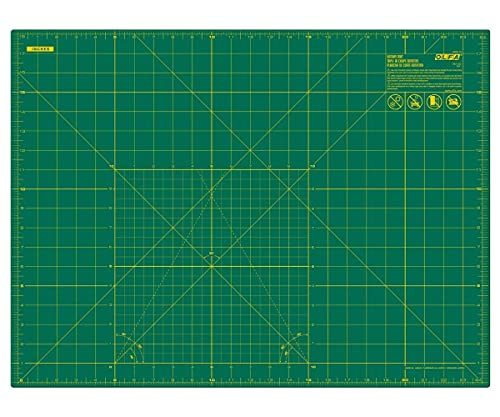
Cutting Mat
OLFA 18" x 24" Self Healing Rotary Cutting Mat
Craft Knife
X-Acto No. 1 Basic Knife Set

Metal Ruler
Breman Precision Metal Ruler 18 Inch Cork Back

Colored Markers
Copic Ciao, Alcohol Markers, 6 Colors Dual Brush Tip Art Marker for…

Dice Set
Q WORKSHOP Dragon Bottle Green & Gold RPG Ornamented Dice Set 7…
Amazon affiliate links, we earn a small commission at no extra cost to you.
Common questions
Should I pick Automata or Board Game Design?
How different are Automata and Board Game Design?
Which is easier for beginners: Automata or Board Game Design?
Which costs more to start: Automata or Board Game Design?
Next steps
Still undecided?
Take the quiz: we'll match you to the right hobby, solo or with friends.