

Chess vs Puzzle Making
Side-by-side on feel, cost, and what your week needs to look like, so you can pick Chess or Puzzle Making with your real life in mind, not just the aesthetic.
Chess and Puzzle Making can feel similar on paper, but they ask for different weeks: Chess suits at home · online · at a venue, Puzzle Making suits at home. The clearest personality split is craft: Light tweaks for Chess, Expressive for Puzzle Making.
Chess
Outthink one opponent across sixty-four squares with no luck involved.
Outthink one opponent across sixty-four squares with no luck involved.
Puzzle Making
Build mechanical puzzles and boxes that hide a clever mechanism in the woodwork.
Design and build puzzle boxes and mechanical puzzles that delight, and stump, whoever holds them.
Which is right for you?
Choose Chess if…
- Chasing one clean combination three moves deep is a quiet high for you.
- You're happy sitting still and thinking hard for long stretches.
- You like a game with no luck to blame, where every win is fully earned.
Choose Puzzle Making if…
- A rare blend of cerebral design and hands-on craft.
- Endlessly giftable — a handmade puzzle box delights everyone.
- Quiet, compact, low-cost work once you have basic tools.
Experience profile79% overlap
Still
Still
Intense
Intense
Pairs
Solo
Rule-based
Structured
Instant
Hours
Light tweaks
Expressive
Depth & mastery
Chess
Progression · Lifelong craft
Puzzle Making
Progression · Gradual mastery
Practical fit
Shaded rows show where they differ.
Sensory & flags
Shared
Puzzle Making only
Before you commit
Chess
- Hanging a piece in one careless move and stewing on it for an hour would crush you.
- Losing fast and often early on would put you off for good.
- You want luck or teammates to share the blame when things go wrong.
Puzzle Making
- Mechanisms demand real precision — loose or tight, and they fail.
- Some woodworking ability is needed before the clever part works.
- Designing original puzzles is a genuine step up from building plans.
Starter gear
What you'll need
Essential kit only, what you actually buy on day one.

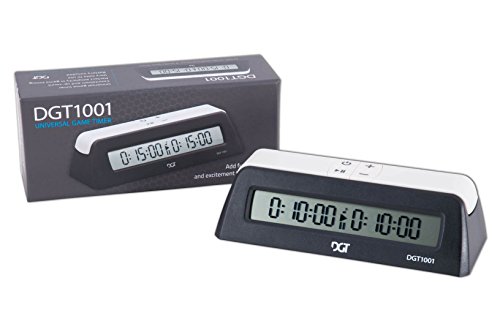
Amazon affiliate links, we earn a small commission at no extra cost to you.
Common questions
Should I pick Chess or Puzzle Making?
How different are Chess and Puzzle Making?
Which is easier for beginners: Chess or Puzzle Making?
Which costs more to start: Chess or Puzzle Making?
Next steps
Still undecided?
Take the quiz: we'll match you to the right hobby, solo or with friends.