

Cold Water Swimming vs Trail Running
Side-by-side on feel, cost, and what your week needs to look like, so you can pick Cold Water Swimming or Trail Running with your real life in mind, not just the aesthetic.
Cold Water Swimming and Trail Running can feel similar on paper, but they ask for different weeks: Cold Water Swimming suits free, Trail Running suits $50–$300. The clearest personality split is payoff: Instant for Cold Water Swimming, Days for Trail Running.
Cold Water Swimming
Step into cold open water and meet the calm on the far side of the shock.
Step into cold open water and meet the calm on the far side of the shock.
Trail Running
Run dirt, roots, and ridgelines where the roads end.
Run dirt, roots, and ridgelines where the roads end.
Which is right for you?
Choose Cold Water Swimming if…
- The wide-open calm for hours afterward is worth the shock.
- You can stomach thirty awful seconds for the glow that follows.
- A grey pre-dawn walk to cold water sounds bracing, not grim.
Choose Trail Running if…
- You want the outdoors and the run combined, roots and ridgelines underfoot.
- A clean kind of tired with your head quiet on an empty ridge is the draw.
- You are fine walking the steep parts and reading roots three feet ahead.
Experience profile83% overlap
Active
Intense
Casual
Engaged
Solo
Solo
Flexible
Flexible
Instant
Days
Light tweaks
Light tweaks
Depth & mastery
Cold Water Swimming
Progression · Gradual mastery
Trail Running
Progression · Gradual mastery
Practical fit
Shaded rows show where they differ.
Activity type
Sensory & flags
Shared
Cold Water Swimming only
Before you commit
Cold Water Swimming
- Your breath ripping away on entry would just be panic.
- Fumbling dressed with numb, useless hands sounds miserable.
- You have no safe stretch of open water within reach.
Trail Running
- Tripping and rolling an ankle on roots and rocks would put you off fast.
- Running slower and harder than on road would frustrate you, not free you.
- You want flat, predictable pavement, not terrain that drops your eyes down.
Starter gear
What you'll need
Essential kit only, what you actually buy on day one.
Gear not listed yet for this hobby.
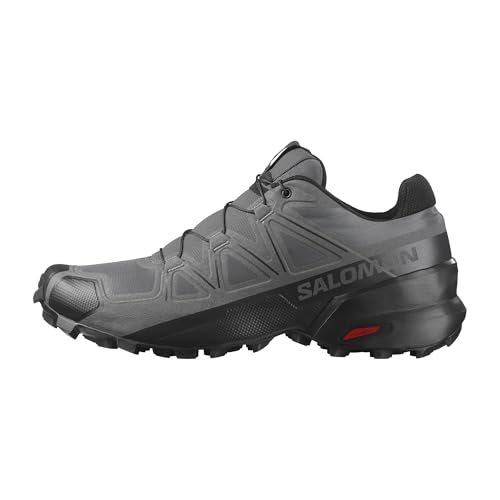
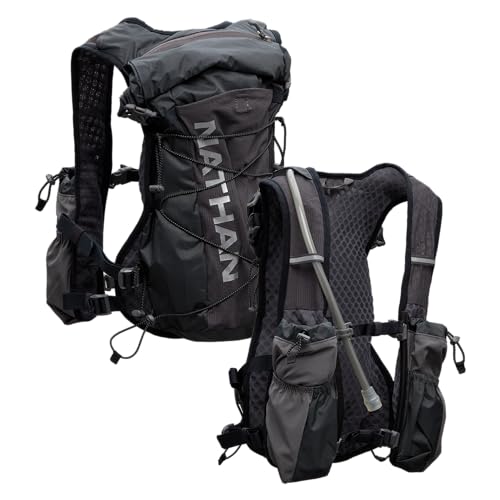
Amazon affiliate links, we earn a small commission at no extra cost to you.
Common questions
Should I pick Cold Water Swimming or Trail Running?
How different are Cold Water Swimming and Trail Running?
Which is easier for beginners: Cold Water Swimming or Trail Running?
Which costs more to start: Cold Water Swimming or Trail Running?
Next steps
Still undecided?
Take the quiz: we'll match you to the right hobby, solo or with friends.