

Cooking vs Pyrography
Side-by-side on feel, cost, and what your week needs to look like, so you can pick Cooking or Pyrography with your real life in mind, not just the aesthetic.
Cooking and Pyrography can feel similar on paper, but they ask for different weeks: Cooking suits moderate (occasional supplies / fees), Pyrography suits minimal (free or near-free). The clearest personality split is physical: Light for Cooking, Still for Pyrography.
Cooking
Turn raw ingredients into dinner with heat, timing, and taste.
Turn raw ingredients into dinner with heat, timing, and taste.
Pyrography
Burn fine, permanent designs into wood and leather with a hot tip.
Burn fine, permanent designs into wood and leather with a hot tip.
Which is right for you?
Choose Cooking if…
- You want a craft that feeds you a real result three times a day.
- You like turning whatever is in the fridge into dinner by feel.
- Tasting a sauce finally come together is a daily win you'd savor.
Choose Pyrography if…
- You enjoy focusing on tiny shaded details for hours at a time.
- You like that there's no eraser, so every careful line is earned.
- Fine lines burned permanently into grain that outlast you appeal to you.
Experience profile79% overlap
Light
Still
Engaged
Deep focus
Pairs
Solo
Flexible
Balanced
Instant
Hours
Open-ended
Open-ended
Depth & mastery
Cooking
Progression · Lifelong craft
Pyrography
Progression · Gradual mastery
Practical fit
Shaded rows show where they differ.
Activity type
Only Cooking
Only Pyrography
Sensory & flags
Shared
Cooking only
Pyrography only
Before you commit
Cooking
- The kitchen needing you again tomorrow would feel relentless.
- Burnt garlic and every pan dirty would sour the whole thing.
- Mise en place and cleanup around the cooking would wear you out.
Pyrography
- One wobble scarring the piece permanently would stress you too much.
- The smell of scorched wood and a cramping hand would wear you down.
- You want forgiving work you can undo, not a hot tip that keeps every mistake.
Starter gear
What you'll need
Essential kit only, what you actually buy on day one.
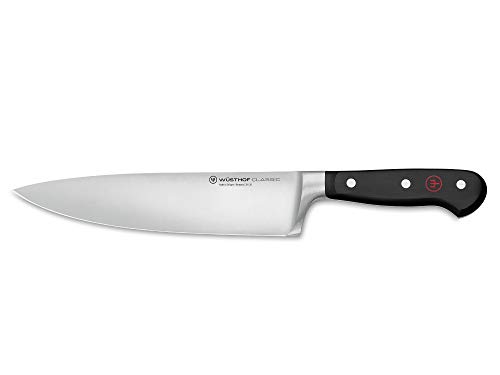
Chef's Knife
Wusthof Classic 8-Inch Chef's Knife

Skillet / Frying Pan
T-fal Ultimate Hard-Anodized Nonstick Fry Pan (12 inch)

Safety Gear
RZ Mask M2.5 Air Filtration Mask
Wood Blanks
Craftparts Direct Unfinished Basswood Plaque Assortment
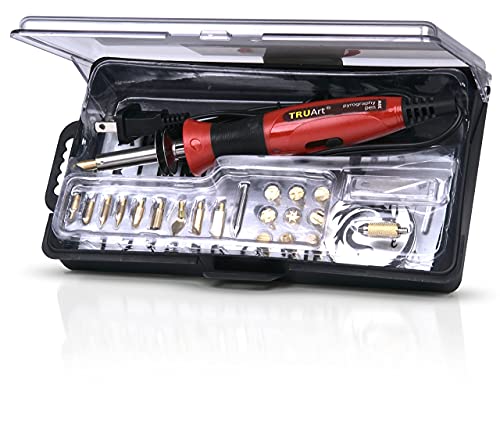
Burning Tips
TRUArt Stage 1 Wood Leather Cardboard Paper Pyrography Pen Set…
Wood Burning Kit
TRUArt Stage 1 Single Pen Wood Burning Kit

Transfer Paper
Loew-Cornell Graphite Transfer Paper
Amazon affiliate links, we earn a small commission at no extra cost to you.
Common questions
Should I pick Cooking or Pyrography?
How different are Cooking and Pyrography?
Which is easier for beginners: Cooking or Pyrography?
Which costs more to start: Cooking or Pyrography?
Next steps
Still undecided?
Take the quiz: we'll match you to the right hobby, solo or with friends.