

Epigraphy vs Field Archaeology
Side-by-side on feel, cost, and what your week needs to look like — so you can pick Epigraphy or Field Archaeology with your real life in mind, not just the aesthetic.
Epigraphy and Field Archaeology can feel similar on paper, but they ask for different weeks — Epigraphy suits at home, Field Archaeology suits outdoors. The clearest personality split is social: Solo for Epigraphy, Community for Field Archaeology.
Epigraphy
Read what was carved in stone thousands of years ago.
Read what was carved in stone thousands of years ago.
Field Archaeology
Dig carefully and read the past straight out of the dirt.
Dig carefully and read the past straight out of the dirt.
Which is right for you?
Choose Epigraphy if…
- Arguing with yourself over a serif versus a crack sounds fun.
- You'd happily spend an afternoon decoding two weathered lines of Latin.
- Reading a real person's carved words from two thousand years ago thrills you.
Choose Field Archaeology if…
- You can crouch in one square meter sieving soil for hours.
- Recording context and reading stratigraphy sounds genuinely absorbing.
- Pulling a worked flint from sealed soil is the jolt you're chasing.
Experience profile75% overlap
Still
Moderate
Deep focus
Deep focus
Solo
Community
Rule-based
Rule-based
Months
Months
Light tweaks
Light tweaks
Depth & mastery
Epigraphy
Progression · Lifelong craft
Field Archaeology
Progression · Gradual mastery
Practical fit
Shaded rows show where they differ.
Activity type
Both
Only Epigraphy
Only Field Archaeology
Sensory & flags
Epigraphy only
Field Archaeology only
Before you commit
Epigraphy
- Lonely detective work heavy on dead languages would drain you.
- You want a fast pace, not one chipped line per afternoon.
- Long quiet solitary hours with reference books sounds like punishment.
Field Archaeology
- Heat, bug bites, and dirt for hours would put you off fast.
- You need flashy finds, not a sherd that might be a 1970s flowerpot.
- Blank hours with nothing in the bucket would test you too hard.
Starter gear
What you'll need
Essential kit only — what you actually buy on day one.
Introductory Epigraphy Textbooks
The Oxford Handbook of Roman Epigraphy
Online Epigraphy Databases
Subscription to a Premier Epigraphy Database

Trowel
WHS Archaeology Pointing Trowel 4-Inch
Brush Set
Boreal Science Archaeology Brushes 7-Piece Set
Buckets
Husky 5-Gallon Professional Bucket with Side Pockets
Field Notebook
Rite in the Rain All-Weather Field Notebook 4.625x7
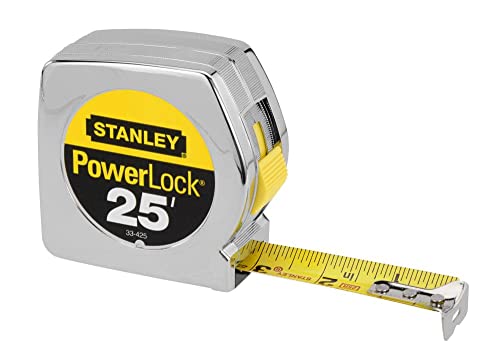
Measuring Tape
STANLEY Tape Measure, Chrome, 25-Foot

Gloves
Mechanix Wear Original Work Gloves
Amazon affiliate links — we earn a small commission at no extra cost to you.
Common questions
Should I pick Epigraphy or Field Archaeology?
How different are Epigraphy and Field Archaeology?
Which is easier for beginners — Epigraphy or Field Archaeology?
Which costs more to start — Epigraphy or Field Archaeology?
Next steps
Still undecided?
Take the quiz — we'll match you to the right hobby, solo or with friends.