

Epigraphy vs Paleography
Side-by-side on feel, cost, and what your week needs to look like, so you can pick Epigraphy or Paleography with your real life in mind, not just the aesthetic.
Epigraphy and Paleography can feel similar on paper, but they ask for different weeks: Epigraphy suits indoors or out, Paleography suits mostly indoors. The clearest personality split is indoors / outdoors: indoors for Epigraphy, indoors for Paleography.
Epigraphy
Read what was carved in stone thousands of years ago.
Read what was carved in stone thousands of years ago.
Paleography
Learn to read handwriting that's been illegible for centuries.
Learn to read handwriting that's been illegible for centuries.
Which is right for you?
Choose Epigraphy if…
- Arguing with yourself over a serif versus a crack sounds fun.
- You'd happily spend an afternoon decoding two weathered lines of Latin.
- Reading a real person's carved words from two thousand years ago thrills you.
Choose Paleography if…
- The click of suddenly reading a dead person's private words hooks you.
- You'd happily spend twenty minutes squinting at a single contracted word.
- Watching tangled medieval scribbles resolve into plain meaning thrills you.
Experience profile94% overlap
Restful
Restful
Indoors
Indoors
Solitary
Solitary
Practical
Practical
Technical
Technical
Hands-off
Hands-off
Relaxed
Relaxed
Cautious
Cautious
Patient
Patient
Private
Private
Collector
Minimalist
Studious
Studious
Low-kit
Low-kit
Analog
Analog
Objects
Objects
Practical fit
Shaded rows show where they differ.
Before you commit
Epigraphy
- Lonely detective work heavy on dead languages would drain you.
- You want a fast pace, not one chipped line per afternoon.
- Long quiet solitary hours with reference books sounds like punishment.
Paleography
- The demoralizing early going of translating four lines would break you.
- You want quick progress, not months of staring before letterforms click.
- Reference works permanently open and reading at an angle sound like a slog.
Starter gear
What you'll need
Essential kit only, what you actually buy on day one.
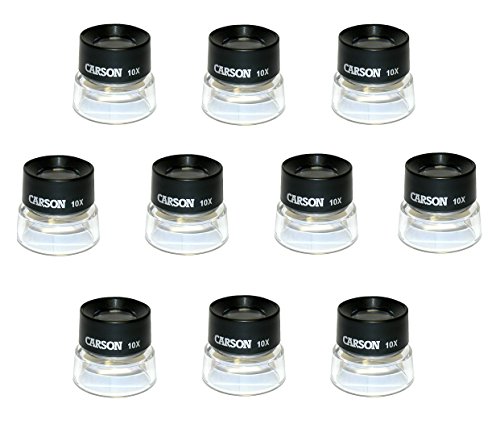

Amazon affiliate links, we earn a small commission at no extra cost to you.
Common questions
Should I pick Epigraphy or Paleography?
How different are Epigraphy and Paleography?
Which is easier for beginners: Epigraphy or Paleography?
Which costs more to start: Epigraphy or Paleography?
Next steps
Still undecided?
Take the quiz: we'll match you to the right hobby.