

Ethnomusicology vs Local History Research
Side-by-side on feel, cost, and what your week needs to look like, so you can pick Ethnomusicology or Local History Research with your real life in mind, not just the aesthetic.
Ethnomusicology and Local History Research can feel similar on paper, but they ask for different weeks: Ethnomusicology suits light, Local History Research suits almost none. The clearest personality split is practical / creative: creative for Ethnomusicology, practical for Local History Research.
Ethnomusicology
Understand cultures through the music they make and why.
Understand cultures through the music they make and why.
Local History Research
Dig up the forgotten stories of the streets you live on.
Dig up the forgotten stories of the streets you live on.
Which is right for you?
Choose Ethnomusicology if…
- A drum pattern connecting to migration and ritual is a thrilling rabbit hole.
- You would happily spend months reading deeply into one tradition.
- You accept it is mostly listening and reading, not playing.
Choose Local History Research if…
- Finding your own street in an 1890s census would give you a real jolt.
- You don't mind squinting at microfilm and decoding stubborn handwriting.
- You enjoy triangulating deeds, newspapers, and rolls to fill the gaps.
Experience profile76% overlap
Restful
Restful
Outdoors
Indoors
Social
Social
Creative
Practical
Technical
Technical
Hands-off
Hands-off
Relaxed
Relaxed
Cautious
Cautious
Patient
Patient
Private
Private
Collector
Collector
Studious
Studious
Low-kit
Low-kit
Analog
Analog
Objects
Objects
Practical fit
Shaded rows show where they differ.
Activity type
Only Ethnomusicology
Only Local History Research
Before you commit
Ethnomusicology
- Transcription and ethnographic context read as homework, not pleasure.
- You want quick answers rather than years of slow investigation.
- Grappling with the ethics of studying outsider cultures feels too heavy.
Local History Research
- Chasing dead-end deeds and contradictory records would frustrate you.
- Whole decades simply missing from the archive would defeat your patience.
- You want a faster payoff than hours of slow, solitary digging.
Starter gear
What you'll need
Essential kit only, what you actually buy on day one.

Portable Digital Recorder
Zoom H6 Six-Track Portable Recorder

Microphones
Rode NT5 Small-Diaphragm Condenser Microphone

Headphones
Beyerdynamic DT 770 Pro Closed-Back Studio Headphones
Audio Editing Software
User-Friendly Audio Editor

Research Notebook
DESIGNPHIL 15295006 Midori Notebook
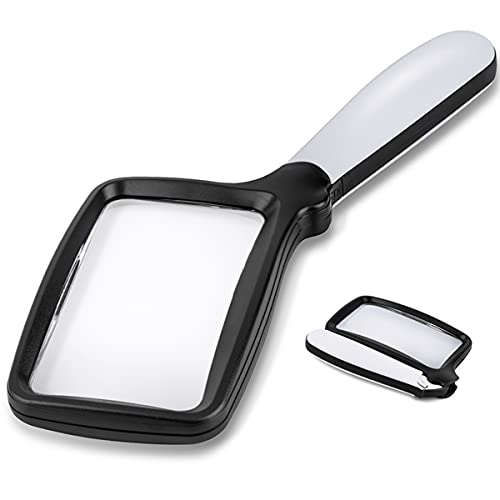
Magnifying Glass
Folding Handheld Magnifying Glass with Light, 5X Large Rectangle Reading Magnifier with Dimmable LED for Seniors with Macular Degeneration, Newspaper, Books, Small Print, Lighted Gift for Low Visions
Amazon affiliate links, we earn a small commission at no extra cost to you.
Common questions
Should I pick Ethnomusicology or Local History Research?
How different are Ethnomusicology and Local History Research?
Which is easier for beginners: Ethnomusicology or Local History Research?
Which costs more to start: Ethnomusicology or Local History Research?
Next steps
Still undecided?
Take the quiz: we'll match you to the right hobby.