

Historical Cooking vs Winemaking
Side-by-side on feel, cost, and what your week needs to look like — so you can pick Historical Cooking or Winemaking with your real life in mind, not just the aesthetic.
Historical Cooking and Winemaking can feel similar on paper, but they ask for different weeks — Historical Cooking suits moderate (occasional supplies / fees), Winemaking suits significant (regular spend to continue). The clearest personality split is payoff: Hours for Historical Cooking, Months for Winemaking.
Historical Cooking
Cook from centuries-old recipes the way they were actually made.
Cook from centuries-old recipes the way they were actually made.
Winemaking
Ferment fruit into wine through patience and a little science.
Ferment fruit into wine through patience and a little science.
Which is right for you?
Choose Historical Cooking if…
- You like being half-detective with a recipe that just says 'cook until done'.
- Tasting exactly what someone tasted four hundred years ago thrills you.
- Sourcing verjuice and grinding your own spice blends sounds like fun.
Choose Winemaking if…
- Pouring wine you waited months to make is deeply satisfying to you.
- Fermentation chemistry, fining trials, and tasting are the real draw.
- You can wait through months not knowing if a batch is any good.
Experience profile71% overlap
Light
Light
Deep focus
Deep focus
Solo
Solo
Rule-based
Balanced
Hours
Months
Light tweaks
Expressive
Depth & mastery
Historical Cooking
Progression · Lifelong craft
Winemaking
Progression · Lifelong craft
Practical fit
Shaded rows show where they differ.
Sensory & flags
Shared
Before you commit
Historical Cooking
- Eating gluey, bland, or genuinely strange dishes to learn isn't worth it to you.
- You want a recipe with temperatures and amounts, not 'a sufficient quantity'.
- Cross-referencing manuscripts to reconstruct a flavor sounds like homework.
Winemaking
- Tipping a failed batch down the drain would feel like wasted effort.
- Carboys, airlocks, and racking gear need more storage than you have.
- Raw harsh early batches and long delays would test your patience too far.
Starter gear
What you'll need
Essential kit only — what you actually buy on day one.


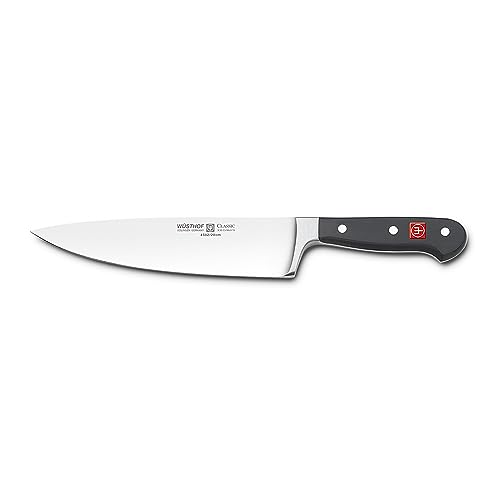
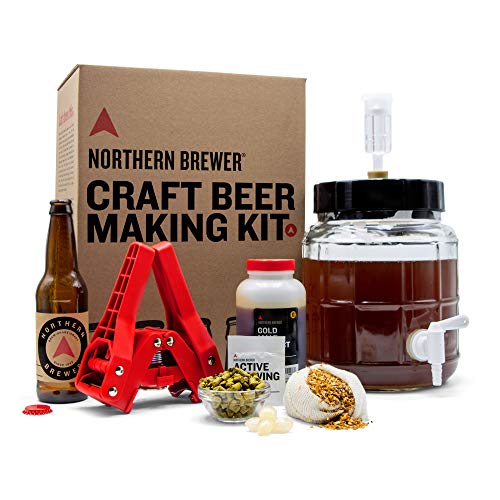


Amazon affiliate links — we earn a small commission at no extra cost to you.
Common questions
Should I pick Historical Cooking or Winemaking?
How different are Historical Cooking and Winemaking?
Which is easier for beginners — Historical Cooking or Winemaking?
Which costs more to start — Historical Cooking or Winemaking?
Next steps
Still undecided?
Take the quiz — we'll match you to the right hobby, solo or with friends.