

Jump Rope vs Slacklining
Side-by-side on feel, cost, and what your week needs to look like, so you can pick Jump Rope or Slacklining with your real life in mind, not just the aesthetic.
Jump Rope and Slacklining can feel similar on paper, but they ask for different weeks: Jump Rope suits at home · outdoors, Slacklining suits outdoors. The clearest personality split is craft: Pure execution for Jump Rope, Expressive for Slacklining.
Jump Rope
Skip rope for fitness and tricks, a cheap, portable cardio workout with a deep skill side.
A pocket-sized cardio hit plus a deep ladder of tricks, and five minutes is a real workout.
Slacklining
Walk a bouncing line strung between two points, all focus and balance.
Walk a bouncing line strung between two points, all focus and balance.
Which is right for you?
Choose Jump Rope if…
- A real cardio workout in five minutes and a few square metres.
- Cheap, pocket-sized, and you can do it anywhere.
- A deep trick ladder keeps it interesting for years.
Choose Slacklining if…
- You like a line that bounces off and humbles you every attempt.
- The meditative emptying of your head into ankle micro-corrections appeals to you.
- Progress of one extra step per session is enough to keep you going.
Experience profile75% overlap
Active
Moderate
Automatic
Casual
Solo
Solo
Flexible
Flexible
Hours
Instant
Pure execution
Expressive
Depth & mastery
Jump Rope
Progression · Quick-rewarding
Slacklining
Progression · Gradual mastery
Practical fit
Shaded rows show where they differ.
Activity type
Only Jump Rope
Only Slacklining
Sensory & flags
Shared
Slacklining only
Before you commit
Jump Rope
- The rhythm and tricks take practice (mind your shins).
- High-impact, so a forgiving surface helps your joints.
- Cheap ropes tangle, so a decent rope makes a big difference.
Slacklining
- Stepping off after a single shaky second repeatedly would frustrate you.
- You expect to master physical skills fast, not in tiny increments.
- You hate the feeling of constantly losing your balance and falling.
Starter gear
What you'll need
Essential kit only, what you actually buy on day one.
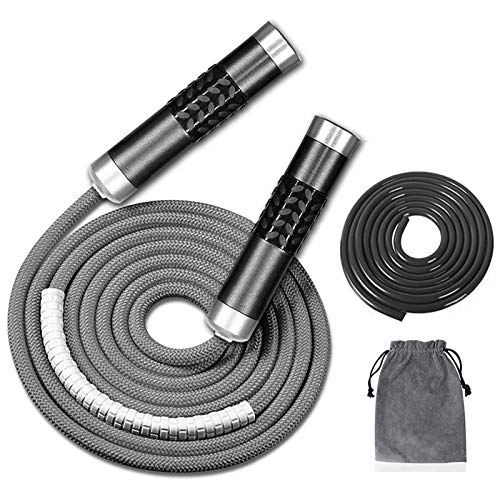
Jump Rope
Redify Weighted Jump Rope (1lb)


Amazon affiliate links, we earn a small commission at no extra cost to you.
Common questions
Should I pick Jump Rope or Slacklining?
How different are Jump Rope and Slacklining?
Which is easier for beginners: Jump Rope or Slacklining?
Which costs more to start: Jump Rope or Slacklining?
Next steps
Still undecided?
Take the quiz: we'll match you to the right hobby, solo or with friends.