

Knitting vs Millinery
Side-by-side on feel, cost, and what your week needs to look like, so you can pick Knitting or Millinery with your real life in mind, not just the aesthetic.
Knitting and Millinery can feel similar on paper, but they ask for different weeks: Knitting suits light, Millinery suits serious. The clearest personality split is private / performer: private for Knitting, performer for Millinery.
Knitting
Build fabric stitch by stitch into sweaters, socks, and gifts.
Build fabric stitch by stitch into sweaters, socks, and gifts.
Millinery
Build hats by hand, shaping felt and straw into wearable form.
Build hats by hand, shaping felt and straw into wearable form.
Which is right for you?
Choose Knitting if…
- You find the hypnotic rhythm of growing fabric row by row calming.
- You want a craft you can carry to the sofa, a commute, or a trip.
- Wearing a sweater you made yourself is worth the weeks it takes.
Choose Millinery if…
- You get a quiet thrill pulling steamed felt over a block into a crown.
- You don't mind a slow reward, the day a hat finally sits right on a head.
- Hand-stitching ribbon trim and wiring brim edges sounds satisfying.
Experience profile78% overlap
Restful
Restful
Indoors
Indoors
Solitary
Solitary
Creative
Creative
Technical
Technical
Hands-on
Hands-on
Relaxed
Relaxed
Cautious
Cautious
Patient
Patient
Private
Performer
Minimalist
Minimalist
Just do it
Just do it
Low-kit
Gear-heavy
Analog
Analog
Objects
Objects
Practical fit
Shaded rows show where they differ.
Activity type
Only Millinery
Before you commit
Knitting
- Unraveling an evening's work to fix one dropped stitch would gut you.
- A sweater taking weeks when you could just buy one would frustrate you.
- Tangled yarn and curling, uneven early swatches would put you off.
Millinery
- Felt fighting you and steam burning your fingers would end it fast.
- Lopsided first hats no matter how carefully you pin would discourage you.
- You have no room for wooden blocks, steam, and drying hats.
Starter gear
What you'll need
Essential kit only, what you actually buy on day one.

Needles
Clover Takumi Bamboo Single Point Needles, US 8 (5mm)

Yarn
Malabrigo Rios Superwash Merino Yarn

Hat Blocks
Generic Bald Female Mannequin Head with Makeup, 11 in PVC Wig Display Form for Hats and Glasses, Dark Pink

Steam Iron and Board
Rowenta Steam Force Stainless Steel Soleplate Steam Iron for Clothes

Millinery Needles
Clover 4971 Clover No.10 Needles Applique/Sharps, Black/Gold
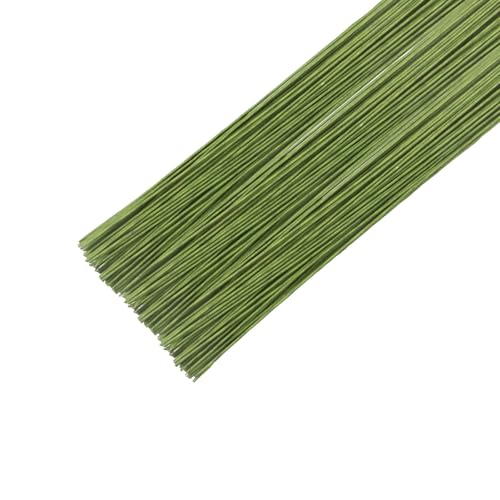
Millinery Wire
BENECREAT 21.8 Yards White Floral Wires, 20 Gauge Cotton Covered Millinery Wire, Iron Stem Wires for Florist Crafts Making Sewing Supplies Brim Making Accessories

Fabric Shears
Gingher 8-Inch Dressmaker's Shears
Amazon affiliate links, we earn a small commission at no extra cost to you.
Common questions
Should I pick Knitting or Millinery?
How different are Knitting and Millinery?
Which is easier for beginners: Knitting or Millinery?
Which costs more to start: Knitting or Millinery?
Next steps
Still undecided?
Take the quiz: we'll match you to the right hobby.