

Paper Planes vs Woodworking
Side-by-side on feel, cost, and what your week needs to look like — so you can pick Paper Planes or Woodworking with your real life in mind, not just the aesthetic.
Paper Planes and Woodworking can feel similar on paper, but they ask for different weeks — Paper Planes suits at home · outdoors, Woodworking suits at home · at a venue. The clearest personality split is craft: Light tweaks for Paper Planes, Open-ended for Woodworking.
Paper Planes
Fold and fly paper airplanes — from classic darts to record-chasing distance and time-aloft gliders.
Fold a sheet of paper into a glider that flies far — then chase distance, airtime, and aerobatics.
Woodworking
Cut, joint, and finish raw lumber into furniture built to last.
Ideal for those who like carefully measuring and making tiny adjustments to fit things.
Which is right for you?
Choose Paper Planes if…
- Essentially free, and fun the instant it leaves your hand.
- Surprisingly deep — distance, airtime, and aerobatic designs.
- Pure portable fun, indoors or out.
Choose Woodworking if…
- You would measure twice and make tiny adjustments until a joint slides snug.
- Sanding a surface smooth through the grits for hours feels meditative to you.
- Owning furniture you built that actually holds weight is worth the lumber.
Experience profile63% overlap
Still
Moderate
Casual
Engaged
Pairs
Solo
Balanced
Structured
Hours
Days
Light tweaks
Open-ended
Depth & mastery
Paper Planes
Progression · Quick-rewarding
Woodworking
Progression · Lifelong craft
Practical fit
Shaded rows show where they differ.
Activity type
Both
Sensory & flags
Shared
Paper Planes only
Woodworking only
Before you commit
Paper Planes
- The best designs need precise, careful folding.
- Tuning for straight flight takes a little patience.
- A casual pastime more than a deep, lasting craft.
Woodworking
- One mismeasured cut leaving a gap you can't un-saw would frustrate you.
- Constant sawdust and the noise of shop machines would wear on you.
- Repeating the same precise cuts and sanding strokes bores you fast.
Starter gear
What you'll need
Essential kit only — what you actually buy on day one.
Gear not listed yet for this hobby.

Circular Saw
DEWALT 20V MAX 7-1/4-Inch Circular Saw

Miter Saw
DeWalt 12" DWS779 Sliding

Cordless Drill
DeWalt 20V MAX XR DCD800
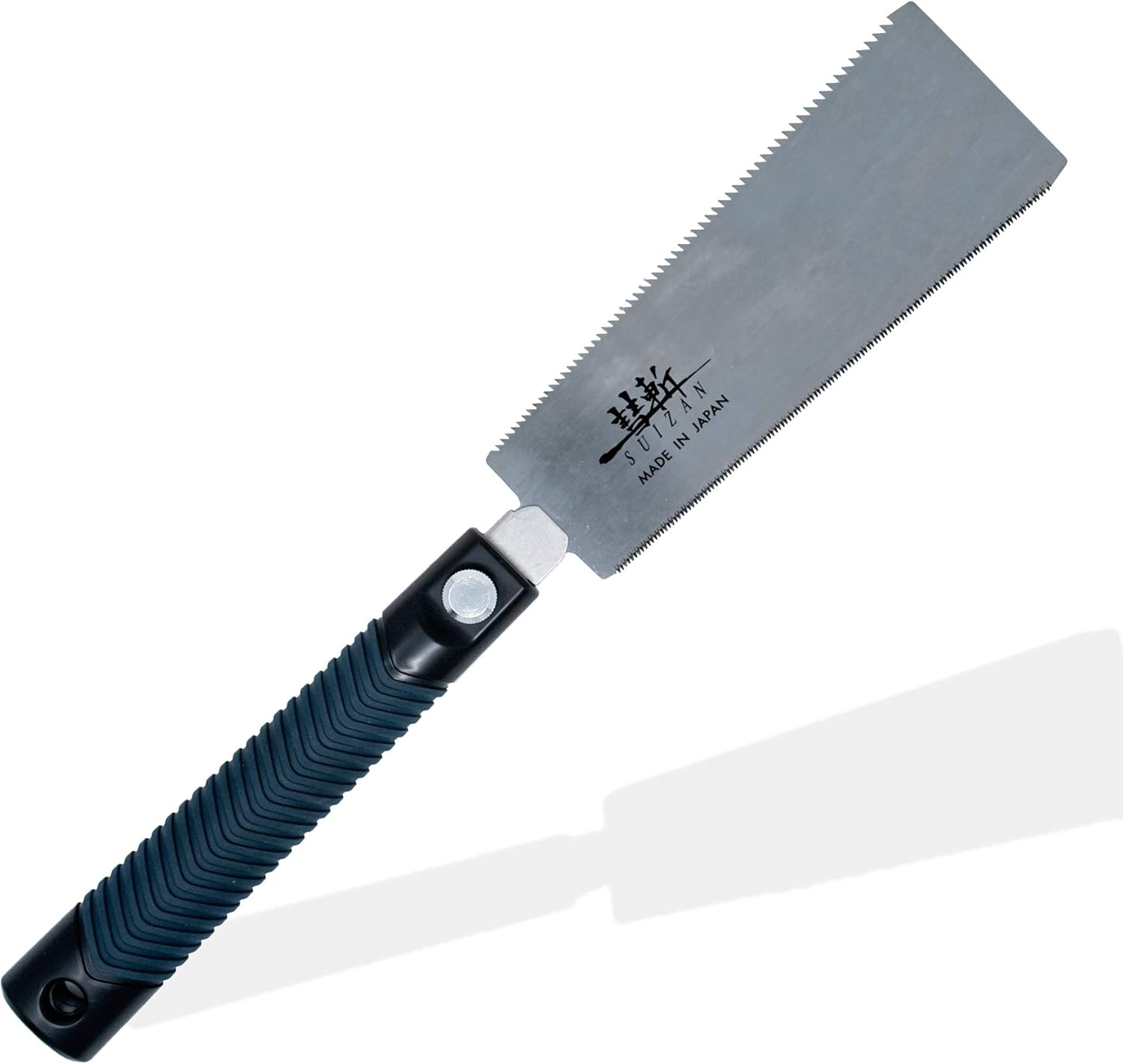
Hand Saw
SUIZAN 7" Ryoba Pull Saw

Chisels
IRWIN Marples 4-Piece Wood Chisel Set (1885164)

Mallet
ESTWING Dead Blow Hammer

Marking & Squaring Tools
IRWIN 12-Inch Combination Square
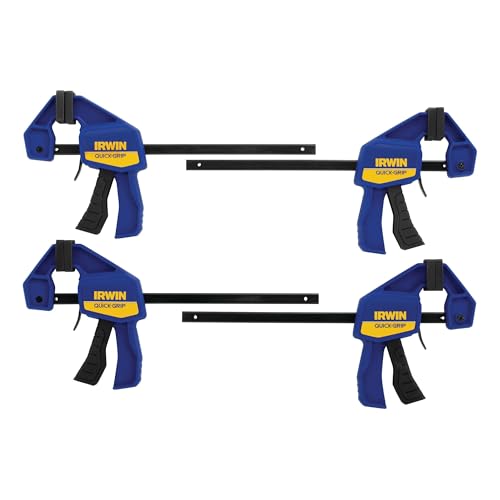
Clamps
IRWIN QUICK-GRIP 6-Piece Clamp Set

Measuring Tape
Milwaukee 25 ft Tape Measure
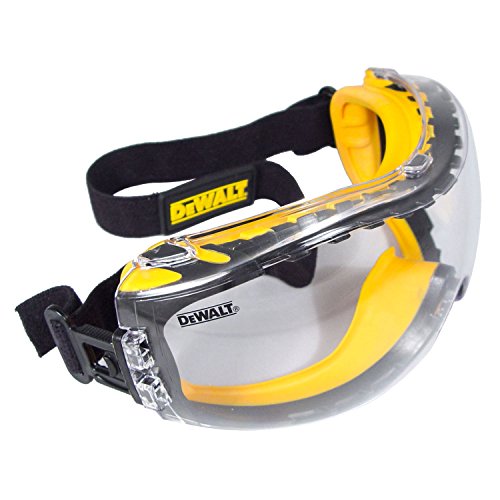
Safety Glasses
DEWALT Concealer Safety Goggles
Amazon affiliate links — we earn a small commission at no extra cost to you.
Common questions
Should I pick Paper Planes or Woodworking?
How different are Paper Planes and Woodworking?
Which is easier for beginners — Paper Planes or Woodworking?
Which costs more to start — Paper Planes or Woodworking?
Next steps
Still undecided?
Take the quiz — we'll match you to the right hobby, solo or with friends.