

Pen Turning vs Quilling
Side-by-side on feel, cost, and what your week needs to look like, so you can pick Pen Turning or Quilling with your real life in mind, not just the aesthetic.
Pen Turning and Quilling can feel similar on paper, but they ask for different weeks: Pen Turning suits $300+, Quilling suits under $50. The clearest personality split is physical: Light for Pen Turning, Still for Quilling.
Pen Turning
Turn wood and acrylic on a lathe into pens worth gifting.
Turn wood and acrylic on a lathe into pens worth gifting.
Quilling
Roll thin paper strips into intricate, surprisingly detailed art.
Roll thin paper strips into intricate, surprisingly detailed art.
Which is right for you?
Choose Pen Turning if…
- Handing someone a pen you turned from a raw blank feels complete.
- You like projects short enough to finish in a single evening.
- You'll learn the lathe's rhythm through a few lumpy first tries.
Choose Quilling if…
- Fiddly, finger-aching rolling of thin paper strips sounds soothing to you.
- You can sink an evening into tiny, repetitive, precise movements.
- The surprise when people realize it's all curled paper delights you.
Experience profile88% overlap
Light
Still
Engaged
Engaged
Solo
Solo
Rule-based
Structured
Instant
Instant
Expressive
Open-ended
Depth & mastery
Pen Turning
Progression · Gradual mastery
Quilling
Progression · Gradual mastery
Practical fit
Shaded rows show where they differ.
Activity type
Both
Sensory & flags
Shared
Before you commit
Pen Turning
- A catch flinging acrylic shrapnel would scare you off the lathe.
- The long sanding and finishing grind would bore you stiff.
- You have no room or budget for a lathe and dust collection.
Quilling
- Lopsided coils springing loose before they click would frustrate you.
- You expect quick progress, not a motif that takes a whole evening.
- Focusing on details this small and hard to see strains your patience.
Starter gear
What you'll need
Essential kit only, what you actually buy on day one.

Dust Mask / Respirator
3M Half Facepiece Reusable Respirator Assembly Kit 6291

Finishing Supplies
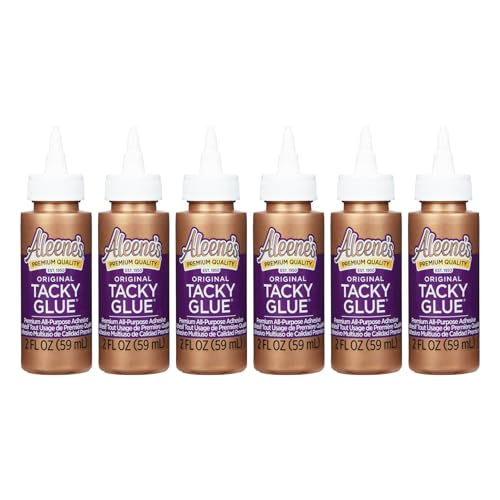
Satellite City CA Glue Set of 3

Turning Chisels
PSI Woodworking LCHSS8 8-Piece High Speed Steel Pen Turning Chisel Set
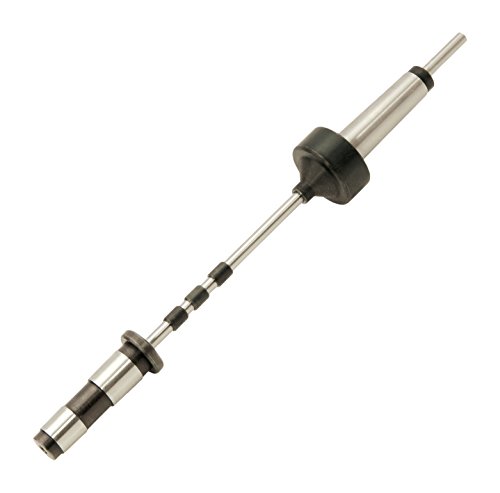
Pen Mandrel
PSI Woodworking PKMS2SET Pen Mandrel Saver Package
Pen Kits
PSI Woodworking PKSLIMGF Slimline Gold Pen Kit (10-pack)
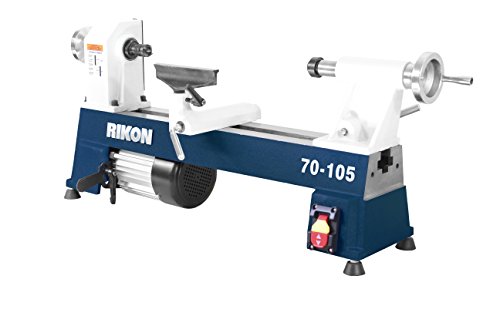
Wood Lathe
RIKON 70-105 Mini Wood Lathe



Amazon affiliate links, we earn a small commission at no extra cost to you.
Common questions
Should I pick Pen Turning or Quilling?
How different are Pen Turning and Quilling?
Which is easier for beginners: Pen Turning or Quilling?
Which costs more to start: Pen Turning or Quilling?
Next steps
Still undecided?
Take the quiz: we'll match you to the right hobby, solo or with friends.