How much does homebrewing cost?
$342 buys all 11 essentials. $216 of that is the half that has to fit you, and the rest can wait.
11 priced items · checked 10 Sept 2026 · retailer prices, we earn a commission
Everything essential, cheapest sensible pick
$342
11 items, nothing rented
Cheapest real way in
$216
The half that has to fit you. Borrow or rent the rest.
Against 247 hobbies
Above median
Dearer than 88% of them. Median hobby: $84.
What each thing costs
Every essential item, cheapest sensible option first. Mid-range and top picks alongside.
All 11 essentials
$342
Buy this first
$216The cheap half of the kit, and the half that has to fit you. You keep all of it whatever you decide about the rest, so this is where the first money should go.

Beer Starter Kit
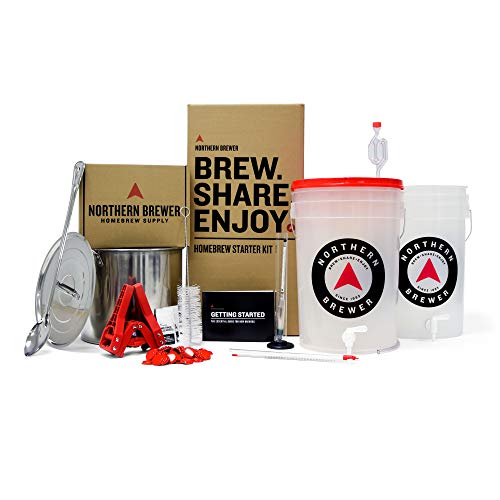
$55Beginners almost always buy a complete starter kit, not loose parts. A good kit gets you fermenting bucket, airlock, hydrometer, siphon, bottle filler, sanitizer, and ingredients for your first batch in one box.




The main buy
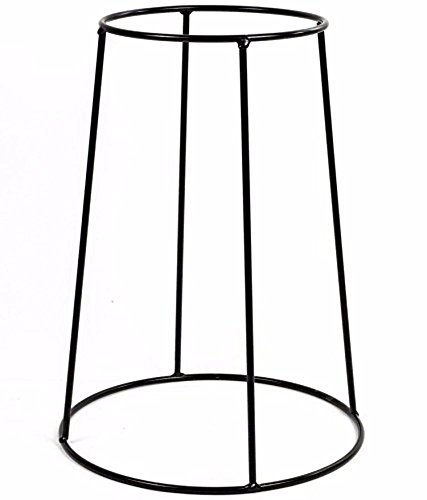
$126The expensive part, and the part worth deferring. Rent, borrow or buy used until you have done homebrewing enough times to know you are staying.

Later, if you stay
Not needed to start. These are the upgrades that matter once the habit has stuck.
Homebrewing costs more to start than 88% of the 247 hobbies we price. The median is $84.
Cost questions
How much does Homebrewing cost to start?
About $342 for the 11 essential items, taking the cheapest sensible option for each. $216 of that is the cheap half, and the remaining $126 can wait until you know you are staying.
What does each thing cost for Homebrewing?
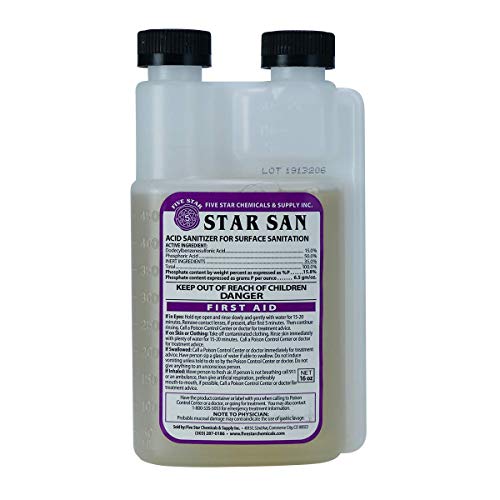
Brew Kettle: from $126. Beer Starter Kit: from $55. Fermenter: from $32. Beer Bottles: from $26. Sanitizer: from $24. Hydrometer and Test Jar: from $22. Auto-Siphon: from $14. Thermometer: from $12. Cleaning Brush: from $12. Stirring Spoon: from $11. Bottling Wand: from $8.
Is Homebrewing an expensive hobby?
Homebrewing costs about $337 to start, dearer than 88% of the 247 hobbies we price. The median hobby costs $84, so this is one of the pricier ones to get into.
What should I buy first for Homebrewing?
beer starter kit, fermenter, auto-siphon, hydrometer and test jar, bottling wand, thermometer, sanitizer, beer bottles, stirring spoon, cleaning brush — $216 together. They are the cheap half of the kit and the half you keep whatever you decide about the rest.
Hobbies that cost about the same
The 6 nearest to homebrewing by startup cost, out of 247.