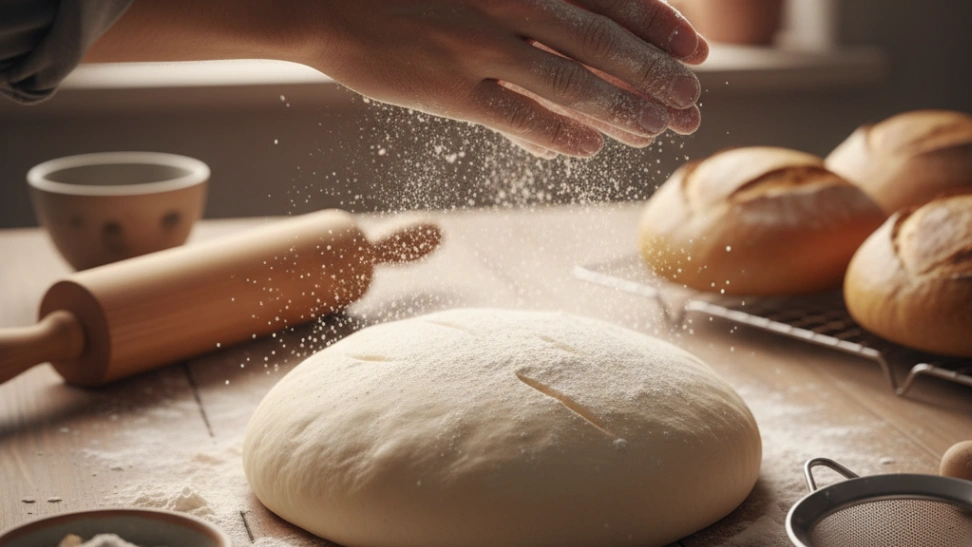
A complete guide to baking from scratch — understanding ingredients, mastering technique, equipping your kitchen, and learning why things go wrong before they do.
Baking is chemistry with immediate feedback. Every ingredient has a function, every step has a reason, and the oven either confirms or corrects your understanding with each batch. Unlike most cooking, where improvisation is encouraged, baking rewards precision and punishes guesswork. That constraint is exactly what makes it satisfying to get right.
What Baking Actually Involves
Baking is the practice of cooking food using dry heat in an enclosed oven, typically with flour, fat, liquid, and a leavening agent as the foundational components. The defining characteristic that separates baking from other cooking is that results are almost entirely determined before anything enters the oven. Technique, measurement, temperature, and ingredient quality shape every outcome. The oven itself is simply the environment in which those prior decisions are revealed.
What makes baking genuinely different from other culinary pursuits is that understanding why a recipe works makes you a better baker faster than following recipes ever will. Flour provides structure through gluten development. Fat tenderises by coating those gluten strands and limiting their formation. Sugar does far more than sweeten — it retains moisture, aids browning, and affects texture. Eggs provide structure, richness, leavening, and emulsification simultaneously. Knowing what each ingredient contributes means you can diagnose what went wrong and adjust accordingly rather than simply trying the same recipe again and hoping for a different result.
The creative dimension of baking opens once the technical foundation is solid. Flavour combinations, decorative techniques, fermentation schedules, seasonal ingredients — there is no ceiling to how far the hobby extends. But almost every baker who has gone deep into it says the same thing: technical understanding came first, and everything else followed from that.
Types of Baking to Explore
Bread Baking
The oldest form of baking and arguably the most technically rewarding. Yeast-leavened bread involves fermentation, gluten development, shaping, and oven spring — all of which interact in ways that take multiple bakes to understand intuitively. Sourdough in particular has become one of the most widely practiced bread styles among home bakers, because the live starter culture adds complexity, flavour depth, and an ongoing living component to the practice that commercial yeast breads do not have.
Pastry and Pies
Working with pastry is fundamentally about managing fat and gluten. Shortcrust pastry requires minimal gluten development for tenderness. Puff pastry is built on alternating layers of dough and butter that separate in the oven to create hundreds of flaky layers. Choux pastry uses steam as its leavening agent and produces hollow shells for éclairs and profiteroles. Each pastry type is a distinct technical challenge and a distinct skill.
Cakes and Sponges
The most accessible entry point for most beginners. A basic sponge cake teaches creaming, the role of eggs in structure, and the importance of not overmixing, all in a single bake. From that foundation, the range extends to layer cakes, flourless chocolate cakes, chiffon cakes, and genoise sponges, each requiring a progressively more refined understanding of how air, fat, and structure interact.
Cookies and Biscuits
High reward, low stakes. Cookies are forgiving enough that minor variations in technique still produce edible results, which makes them ideal for experimenting with ingredient ratios. Small changes — more brown sugar than white, melted butter instead of creamed, chilling the dough overnight — produce noticeably different textures and teach ingredient function more clearly than almost any other format.
Celebration and Decorative Baking
Layer cakes, tiered cakes, decorated biscuits, and elaborate pastries where aesthetics are as important as flavour. This branch of baking introduces skills including piping, fondant work, mirror glazes, and structural considerations for tall or heavy cakes. The technical and artistic demands are significant, but the output is the kind of baking that photographs well and makes occasions memorable.
Start with cookies or a simple sponge cake before attempting bread or pastry. Both teach core skills including creaming, measuring, and reading oven behaviour without the additional complexity of gluten management or fermentation. Bake the same recipe three times before moving on. Repetition with a single recipe teaches more about baking technique than variety does.
Equipment You Will Need
A well-equipped baking kitchen does not require specialist equipment at the start. Most of the basics are already in a functional kitchen. Here is what actually matters and what is worth buying specifically for baking:
The non-negotiables — you need these before your first session. No upsell here, just what actually matters to get started safely.
Digital Kitchen Scale

Measuring Cups and Spoons Set


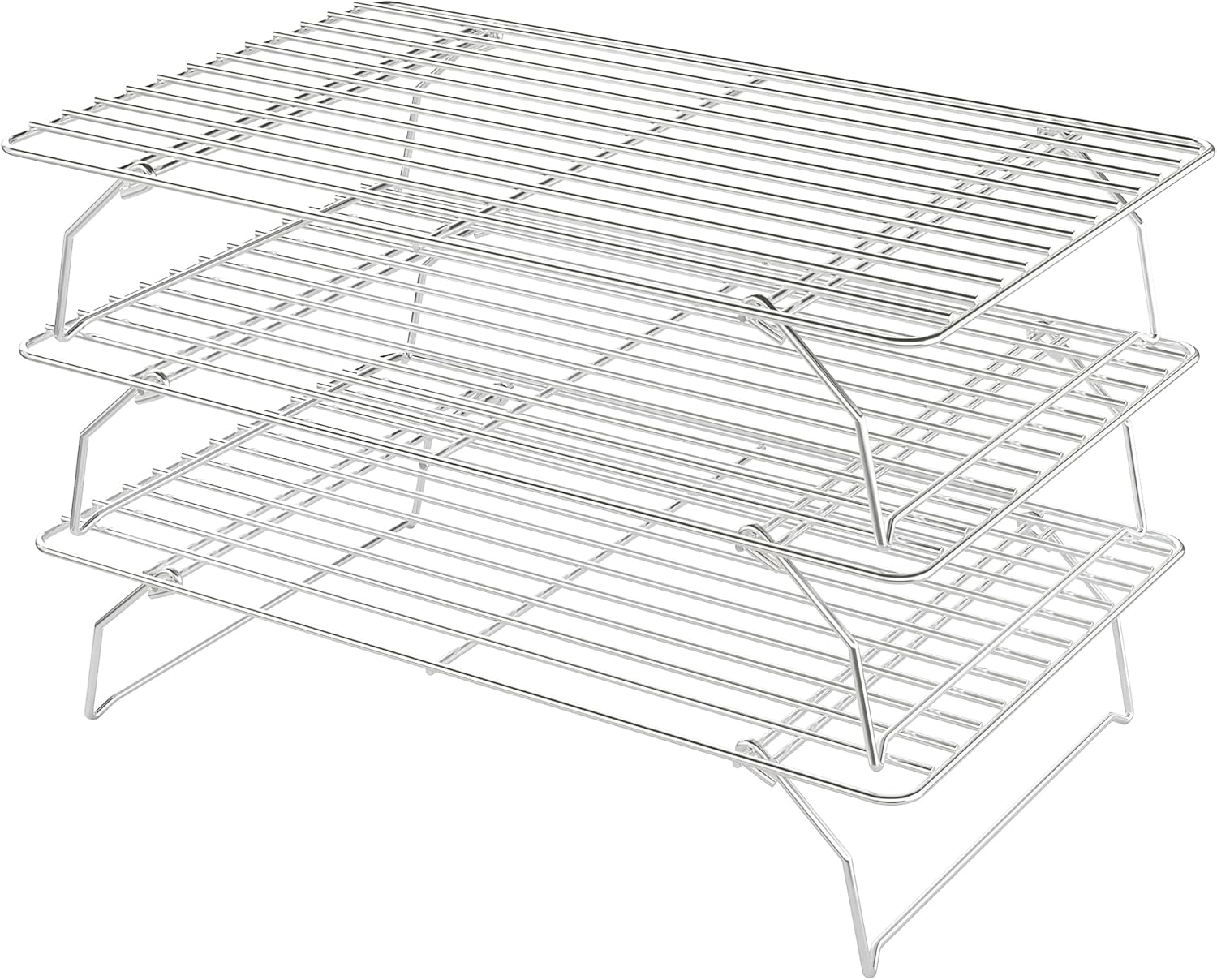
Worth it once you're committed. These items meaningfully improve your experience and are often bought within the first few months.


Understanding your core ingredients is as important as understanding your equipment. Here is what each foundational baking ingredient actually contributes:
| Ingredient | Primary Function | What Happens With Too Much | What Happens With Too Little |
|---|---|---|---|
| Flour | Structure via gluten development | Dense, tough, chewy result | Crumbly, fragile, collapses |
| Sugar | Sweetness, moisture retention, browning | Overly sweet, spreads too much, burns | Dry, pale, bland flavour |
| Butter or fat | Tenderness, flavour, moisture | Greasy, flat, won't hold structure | Dry, tough, lacks flavour |
| Eggs | Structure, richness, emulsification, leavening | Rubbery, eggy, dense | Fragile, doesn't hold together |
| Baking powder | Chemical leavening via CO2 release | Metallic taste, collapses after rising | Dense, flat, heavy crumb |
| Salt | Flavour enhancement, gluten strengthening | Overpowering, inhibits yeast in bread | Flat flavour, weak structure in bread |
| Liquid (milk, water, buttermilk) | Hydration, gluten activation, steam | Wet batter, won't set properly | Dry, crumbly, won't come together |
Interactive Buyer's Guide
Compare all tiers, track what you own, see your full budget.
How to Get Started Step by Step
Buy a kitchen scale before anything else
Volume measurements in cups are imprecise for baking. A cup of flour can weigh anywhere from 120 to 160 grams depending on how it was scooped. Weighing ingredients in grams removes that variable entirely and makes recipes reproducible. A basic digital scale costs under $12 and is the single most impactful purchase a beginner baker can make.
Read the recipe completely before starting
Discovering midway through a recipe that butter needs to be softened for two hours, or that a dough requires overnight refrigeration, or that you are missing a key ingredient, is avoidable. Reading every step before beginning allows you to prepare properly and understand where the recipe is going before you are committed to it.
Use room temperature ingredients unless told otherwise
Cold butter will not cream properly. Cold eggs added to a butter and sugar mixture cause it to curdle. Cold milk added to a batter can tighten gluten unevenly. Most baking recipes are written with the assumption that dairy and eggs are at room temperature. Taking ingredients out of the refrigerator an hour before baking is a small habit that prevents several of the most common beginner failures.
Get to know your oven before trusting it
Domestic ovens are frequently inaccurate by 25 to 50 degrees, and most run hot or cold in specific zones. An oven thermometer placed inside reveals the true temperature. Rotating trays halfway through baking addresses hot spots. Understanding your specific oven's behaviour is as important as following a recipe correctly, and it only comes from paying attention across multiple bakes.
Learn what doneness actually looks like and feels like
Recipe timings are guidelines calibrated to a particular oven. A skewer inserted into a cake that comes out clean, a loaf of bread that sounds hollow when tapped on the bottom, a cookie that looks underdone at the edges of the time window but sets as it cools — these sensory tests are more reliable than a timer and can only be learned by baking regularly and paying attention.
Write notes on the recipe after every bake
Note what you changed, what went wrong, how the oven behaved, and what you would do differently. A recipe with handwritten adjustments built up over several attempts becomes a personalised, reliable document. Bakers who do this improve faster than those who treat each bake as a fresh start with no accumulated knowledge.
What to Expect From Your First Bakes
Here's what typically happens when you start — and why it's useful information, not failure.
The first few results will be imperfect in instructive ways. A sunken cake centre usually means underbaking or opening the oven door too early. Cookies that spread flat usually mean butter was too warm or there was too little flour. Bread that is dense and heavy usually means the yeast was inactive or gluten was underdeveloped. Every baking failure has a specific cause, and identifying it teaches more than a successful bake does.
Measuring will feel tedious before it feels natural. The discipline of weighing every ingredient, levelling every spoon, and preparing everything before starting runs against the instinct to improvise. That discipline is exactly what makes results reproducible. Beginners who measure carefully from the start build good habits that carry through every recipe they will ever bake.
The smell will arrive before the timer does. A kitchen filled with the smell of baking bread or warm butter and vanilla is one of the most immediate rewards the hobby offers. It arrives reliably from the first bake, regardless of how the result turns out. This is a meaningful part of why people keep baking even through failures.
Something will work better than expected. Even imperfect early bakes often produce one element that surprises you. A crust with unexpected crunch, a crumb that is softer than it looks, a flavour that is richer than the ingredient list suggested. Those moments are the ones that build genuine enthusiasm for the craft.
Other people will eat what you make. Baking is one of the few hobbies with an immediately shareable output. Taking something you made to a gathering, watching someone eat it and enjoy it, changes your relationship to the practice in a way that solo pursuits do not. The social dimension of baking is consistent and immediate from the very first thing you make.
Beginner Tips That Actually Help
Understand the difference between baking soda and baking powder
Baking soda is pure sodium bicarbonate and requires an acid in the recipe to activate it — buttermilk, yogurt, vinegar, or brown sugar. Baking powder contains baking soda with a dry acid already included and activates with moisture and heat. Substituting one for the other without adjustment produces flat, bitter, or chemically-tasting results. Knowing which your recipe calls for and why it calls for it prevents one of the most common beginner errors.
Do not open the oven door during the first two thirds of baking time
Opening the oven door during baking drops the temperature by 25 to 50 degrees in seconds and interrupts the rise in cakes and breads before the structure has set. The result is a sunken centre that cannot be recovered. Use the oven light to check progress instead. Only open the door to test for doneness once the minimum time specified in the recipe has elapsed.
Cool completely before cutting or frosting
Cutting into warm bread produces a gummy, compressed crumb. Frosting a warm cake melts the frosting and creates a sliding, unstable layer. Both outcomes are the result of impatience rather than errors in the bake itself. Cooling on a wire rack rather than leaving food in the tin prevents a soggy base and speeds the process. The wait is worth it consistently.
Brown butter instead of melted butter where recipes allow
Browning butter — cooking it until the milk solids turn golden and nutty — takes three minutes and adds a depth of flavour to cookies, cakes, and quick breads that regular melted butter cannot produce. It is the simplest technique upgrade available to a beginner and the one that produces the most immediate, noticeable improvement in flavour with no additional complexity.
Work from recipes by weight, written in grams
Recipes written in grams are more precise and more reliable than those using cups. They are also easier to scale up or down. King Arthur Baking, Serious Eats, and Stella Parks are consistently recommended sources for rigorously tested, weight-based recipes with thorough explanations of technique. Starting with well-tested recipes before adapting your own removes one major variable while your baking intuition is still developing.
Read Samin Nosrat and Rose Levy Beranbaum
Samin Nosrat's Salt, Fat, Acid, Heat builds the kind of ingredient understanding that makes improvisation possible rather than dangerous. Rose Levy Beranbaum's The Cake Bible and The Bread Bible are the most technically rigorous baking references in print and explain the why behind every technique in a way that genuinely accelerates understanding. Reading either of these early in a baking practice is the shortcut that most experienced bakers wish they had taken sooner.
Common Questions Answered
- Why does baking require such precise measurements when cooking does not?
Cooking on the stovetop is largely reversible and adjustable in real time. You can taste as you go, add more seasoning, reduce a sauce, or compensate for an error before it is permanent. Baking is not reversible. Once a cake enters the oven, the chemical reactions that determine its texture, rise, and structure are already underway. Precise measurements ensure those reactions proceed as intended. A small excess of flour or deficit of leavening that would go unnoticed in a soup produces a meaningfully different result in a cake.
- What is the difference between all-purpose flour and bread flour?
The difference is protein content. Bread flour contains roughly 12 to 14 percent protein, which produces more gluten when hydrated and worked, giving bread its chewy, structured crumb. All-purpose flour contains 10 to 12 percent protein and is suitable for most cakes, cookies, and pastries where a less chewy, more tender result is desirable. Cake flour is even lower in protein at around 8 percent, producing the most tender crumb of the three. Using bread flour in a cake recipe produces a noticeably tougher result, and using all-purpose in a bread recipe produces a denser, less chewy loaf.
- Why do my cookies come out flat?
Flat cookies are almost always caused by one of three things: butter that was too warm or melted before creaming, too little flour relative to fat, or skipping the step of chilling the dough before baking. Warm butter spreads before the cookie has time to set. Chilling the dough for at least 30 minutes firms the fat, slows the spread, and also improves flavour by giving the flour time to fully hydrate. Checking that your baking soda or baking powder is fresh, since both lose potency over time, is also worth doing if cookies consistently fail to rise.
- Can you substitute ingredients in baking recipes?
Sometimes, with understanding of what the ingredient does. Buttermilk can be replicated by adding a tablespoon of white vinegar or lemon juice to regular milk and letting it sit for five minutes. Yogurt often substitutes for sour cream. Applesauce can replace some of the fat in muffins. What rarely works is substituting structural ingredients without adjustment — replacing all the butter with oil in a cake recipe, for example, changes moisture content, texture, and spread in ways that require the whole recipe to be rebalanced. The more you understand what each ingredient does, the more reliably you can substitute.
- Is sourdough a good starting point for bread baking?
Sourdough is a rewarding eventual destination for bread bakers, but it is not the best starting point. It requires a healthy, active starter maintained over weeks, an understanding of fermentation timing, and a feel for dough hydration that is easier to develop with simpler breads first. A basic yeast-leavened white bread or a simple enriched dough like a milk loaf teaches shaping, proofing, and oven behaviour with more immediate, predictable feedback. Once those fundamentals are solid, sourdough's additional complexity becomes manageable rather than overwhelming.
- Why does my cake sink in the middle?
A sunken centre is one of the most common beginner cake problems and has several possible causes. The most common is underbaking — the centre has not set before the cake is removed from the oven and collapses as it cools. Opening the oven door too early is another frequent cause, as the sudden temperature drop prevents the rise from setting. Excess leavening produces a large initial rise that the structure cannot support, leading to collapse. Testing with a skewer through the centre rather than relying solely on timing, and resisting the urge to open the oven door early, addresses most cases.