A complete guide to sleeping outdoors — choosing your first gear, reading the land, setting up camp, and finding the kind of quiet you can't get anywhere else.
Camping is one of the few hobbies where the whole point is to make life deliberately simpler. There is no skill ceiling, no expensive studio, no jargon to master before you begin. You need somewhere to sleep, something to eat, and a reason to go outside. Everything else is optional — and the best campers tend to carry the least.
What Camping Actually Involves
Camping is the practice of spending one or more nights outside your normal shelter, in nature or close to it. At its most basic, that means a tent, a sleeping bag, and enough food and water to last the stay. At its most involved, it means multi-day backcountry expeditions where everything you need travels on your back and every decision — where to sleep, where to find water, how to navigate — is yours to make. What most people do not expect is how much camping is about preparation rather than endurance. A well-planned trip with the right kit in the right conditions is genuinely comfortable. An underprepared trip in bad weather without adequate shelter is miserable. The variable is almost always planning, not toughness. Unlike most hobbies, camping has no fixed venue, no scheduled sessions, and no equipment you need to upgrade to progress. Skill develops by going more often, in more varied conditions, and with less gear. The simplest version — a tent in a managed campsite close to home — teaches you most of what you need to know to take things further.
Styles of Camping to Explore
Car Camping
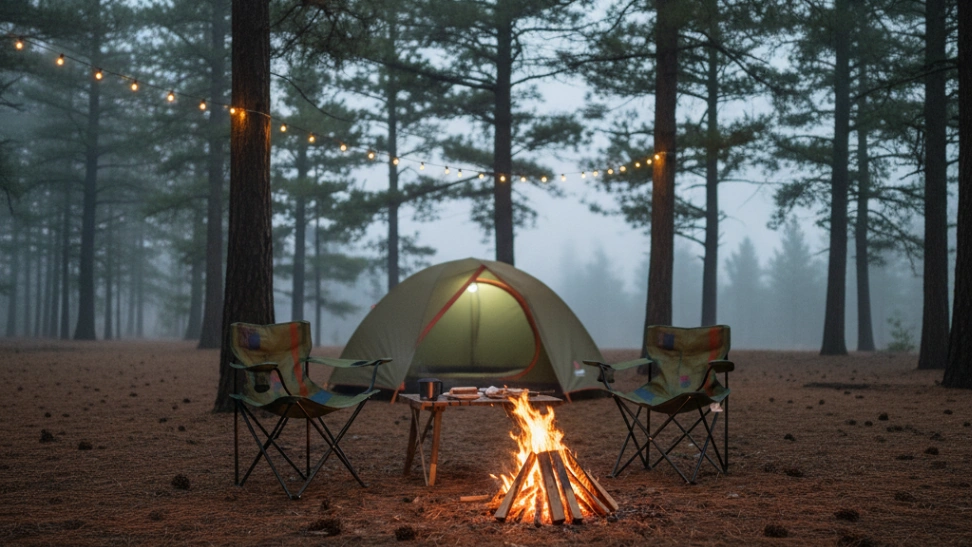
Driving to a designated campsite and setting up directly from your vehicle. The most accessible form of camping — weight and bulk are irrelevant because you never carry your kit. It is the ideal starting point: comfortable gear, access to facilities, and an easy return home if something goes wrong. Most people who call themselves campers do this most of the time.
Backpacking
Carrying everything you need on your back and camping wherever you set down. Weight becomes a genuine constraint and every item earns its place. Backpacking opens up landscapes that have no road access and gives a sense of self-sufficiency that car camping does not. It rewards gradual gear investment and growing fitness rather than a single upfront purchase.
Wild Camping
Camping on unmanaged land, away from formal sites. Legal in much of Scotland and many European countries, but restricted or prohibited in others — checking local law is non-negotiable. Wild camping demands confident navigation and a higher standard of leave-no-trace practice, but offers solitude and settings that managed sites simply cannot match.
Bikepacking
Carrying camping kit on a bicycle and riding between overnight stops. A niche that has grown significantly in the last decade, with dedicated lightweight bags designed to fit around bicycle frames. It combines the rhythm of long-distance cycling with the freedom to stop wherever the day ends. Entry is surprisingly affordable if you already own a suitable bike.
Hammock Camping
Sleeping suspended between trees rather than on the ground. Lighter than most tent setups, genuinely comfortable in warm weather, and eliminates concern about uneven or rocky ground. Requires trees spaced at the right distance and adds complexity in cold conditions, where an insulated underquilt is needed to prevent heat loss from below.
Book one night at a managed campsite within two hours of home before investing in any gear. Borrow what you can, hire what you cannot, and use the trip to discover what actually bothered you. The specific discomforts of your first night are more useful buying guidance than any gear review.
Gear and Kit You Will Need
A functional first camping kit costs less than most people assume, especially if you borrow or hire before committing to purchases. Here is what actually matters at the beginning:
The non-negotiables — you need these before your first session. No upsell here, just what actually matters to get started safely.

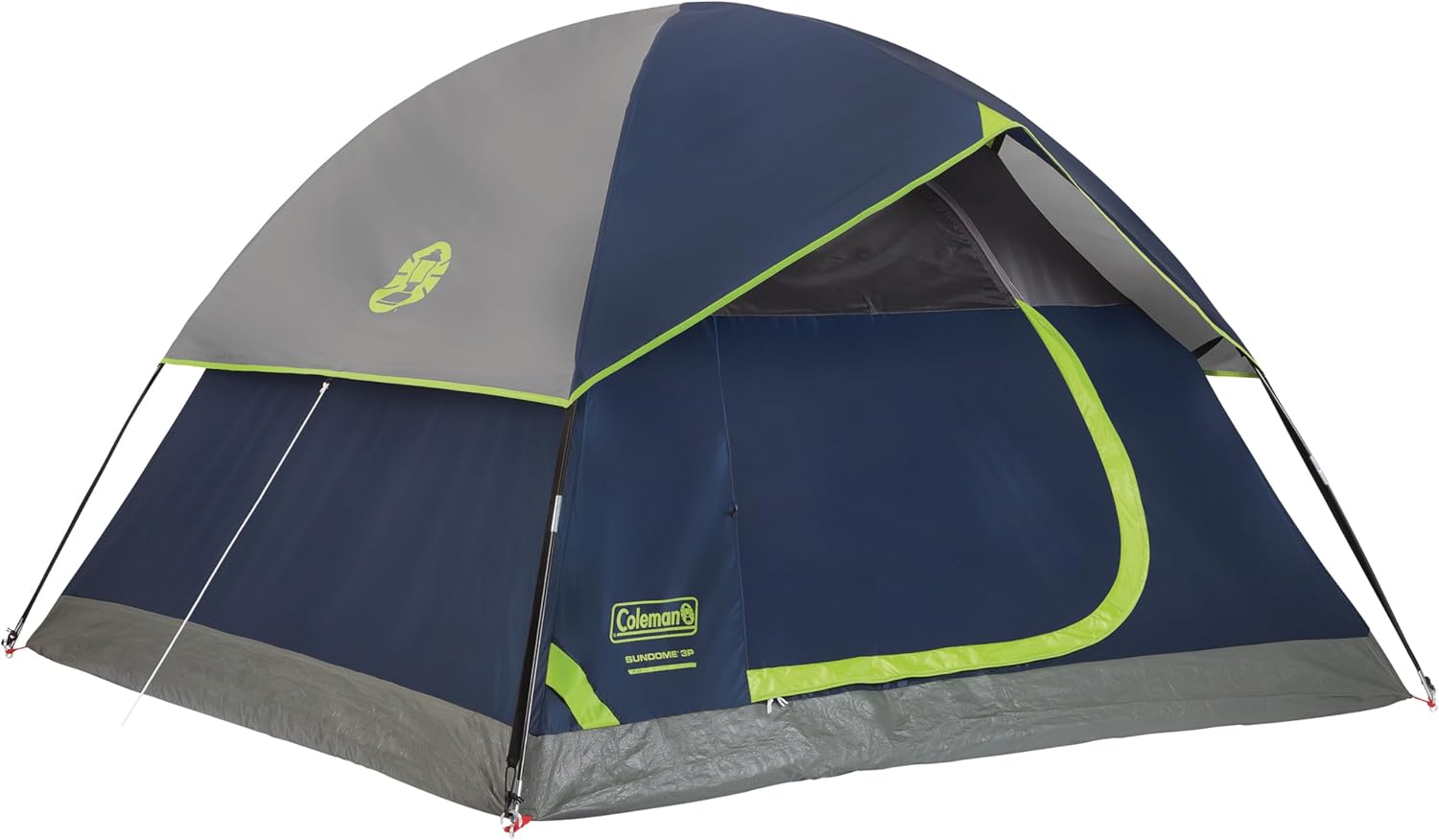
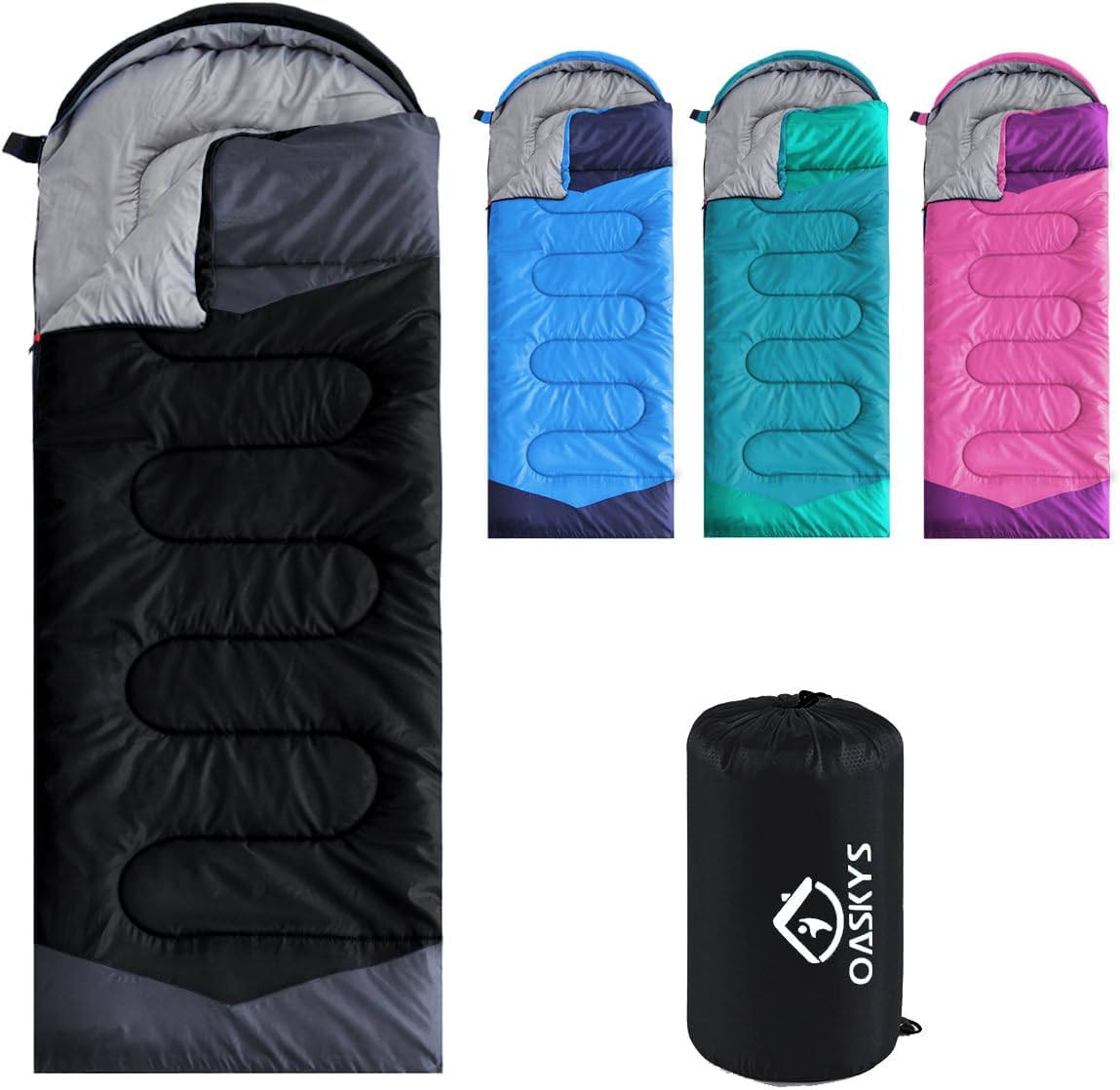

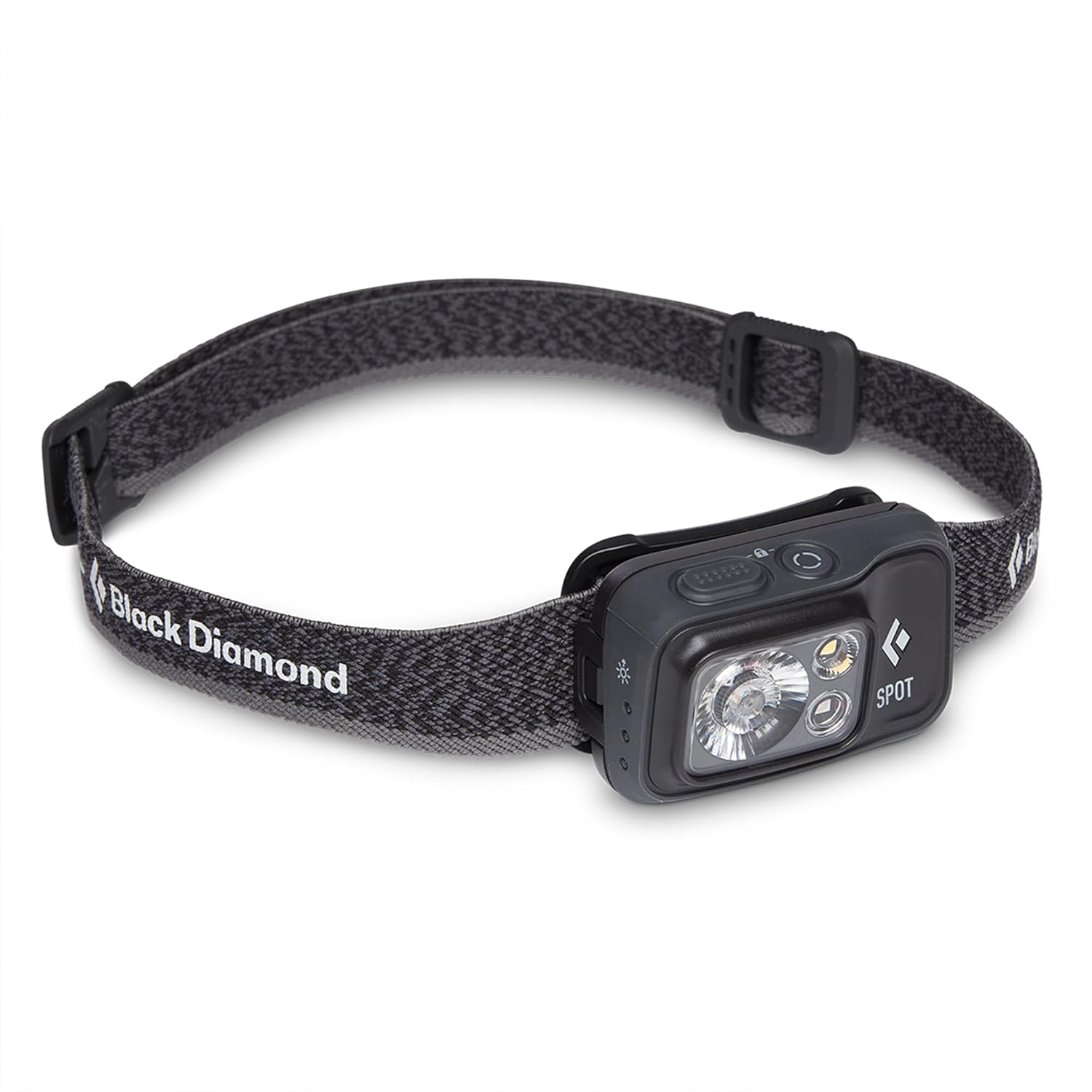
Water Filter/Purifier


Worth it once you're committed. These items meaningfully improve your experience and are often bought within the first few months.

For car camping, you can ignore weight entirely and take more comfort: a larger tent, a proper pillow, a camp chair, a cool box. For backpacking, weight becomes a genuine consideration — and it is worth knowing that the sleeping mat is as important as the sleeping bag. Cold ground draws heat from your body faster than cold air does.
Interactive Buyer's Guide
Compare all tiers, track what you own, see your full budget.
How to Get Started Step by Step
Book a trip before buying any gear
A fixed date forces every subsequent decision. Without it, gear research becomes an infinite loop. Pick a site, pick a night, and let the trip dictate what you need.
Check the forecast and dress for it
Weather is the single biggest variable in camping comfort. Check temperature lows, not just daytime highs, and bring layers for the drop that happens after dark.
Practice pitching your tent at home first
Reading instructions in the dark in the rain while tired is its own kind of misery. Pitch it once in your garden so the process is familiar before you need it.
Plan food that needs no refrigeration
Keep first-trip meals simple: things you can eat cold or heat over one burner. Complicated cooking at camp is a skill developed over time, not a requirement for an enjoyable night out.
Tell someone where you are going
Share your site name, dates, and a check-in plan with someone at home. This costs nothing and matters more as trips become more remote.
Leave the site as you found it
Pack out everything you brought in. Leave no fire rings, no litter, no trace. It is the one non-negotiable ethic in camping, and it is why good sites stay good.
What to Expect From Your First Night Out
Here's what typically happens when you start — and why it's useful information, not failure.
It will be louder than expected. Wind in the fabric, animal sounds, other campers, rain — nature is not quiet. Earplugs are a legitimate piece of camping kit and not a concession.
The ground will be harder than it looks. Even soft grass becomes firm after a few hours. A sleeping mat solves this; sleeping without one is the most common source of first-night regret.
Temperature drops faster than the forecast suggests. Wind chill, humidity, and the loss of sun all hit within minutes of darkness. An extra layer immediately accessible inside the tent is good practice.
Condensation will appear inside the tent. Your breath produces moisture overnight. It is not a leak. A small amount of ventilation — even in cold weather — reduces it significantly.
Morning will be the best part. Almost everyone who camps regularly cites the first hour after waking outside — the light, the air, the quiet before the day starts — as the thing that keeps them going back.
Beginner Tips That Actually Help
Sleep warmer than you think you need to
The single most reliable way to have a bad first camping experience is to be cold at night. A sleeping bag rated lower than the expected temperature is cheap insurance. You can always open it up if you overheat; you cannot add insulation you did not bring.
Site selection matters more than any piece of gear
A flat spot, natural windbreak, and good drainage under your tent will do more for your night than an expensive sleeping system. Look for slightly elevated ground with no water channels running through it. Avoid depressions where cold air pools overnight. Five minutes of observation before pitching is worth an hour of discomfort avoided.
Drink water before you feel thirsty
Dehydration accelerates fatigue, worsens sleep, and makes the cold feel colder. Keeping a water bottle inside your sleeping bag prevents it from freezing overnight and gives you something warm to drink before you even leave your bag in the morning — which makes getting up in cold weather considerably more appealing.
Learn one fire skill before you need it outside
Building a fire with wet wood in wind is genuinely difficult if you have never done it before. Practice in a controlled environment — a firepit at home, a friend's garden — until you can reliably produce a fire from scratch. That skill then transfers to any conditions. Before that, a gas stove is more reliable and more practical in every scenario.
Pack your kit in the order you will need it
The things you need first — rain jacket, snacks, headtorch — should be at the top of your pack or in a hip belt pocket. Everything else loads below. Arriving at camp and emptying your entire bag to find your tent is a common beginner experience that better packing eliminates entirely.
Go with someone experienced for your second trip, not your first
Your first solo trip teaches you what you personally find difficult. Your second trip with someone who camps regularly shows you how unnecessary most of those difficulties were. Experienced campers carry less, set up faster, and sleep better. That knowledge transfers quickly through proximity, far faster than reading about it ever will.
Common Questions Answered
- Is camping safe for complete beginners?
Yes, with appropriate precautions. The main risks — getting lost, hypothermia, injury — are all significantly reduced by camping at managed sites close to home when starting out. Tell someone your plans, check the forecast, carry a basic first aid kit, and do not underestimate cold. The majority of camping incidents happen to people who were underprepared for conditions that were predictable in advance.
- How much does it cost to get started?
You can camp for the first time for close to nothing by borrowing gear and choosing an inexpensive site. A complete starter kit purchased new runs $150 to $400 depending on quality. The tent and sleeping bag are the largest items. Both hold value well second-hand and are the kind of purchase many campers make once and keep for a decade. Budget camping gear has also improved significantly in recent years — low cost no longer means non-functional.
- What if it rains the whole trip?
A good tent and waterproof layers make rain entirely manageable. Many experienced campers consider camping in light rain more pleasant than camping in heat — cooler, quieter, and without the insects. The adjustment is attitudinal more than practical. That said, a severe weather forecast is a legitimate reason to rebook rather than endure something genuinely dangerous.
- Can you camp without a car?
Yes. Train-accessible campsites exist in most countries and are worth specifically seeking out. Bikepacking, hiking-in trips, and canoe camping all remove the car entirely. Camping without a vehicle does push you toward lighter, more considered kit — which most experienced campers consider an improvement anyway.
- How do you find good campsites?
For managed sites, Hipcamp, The Dyrt, and Visit Campsite are well-regarded directories with genuine user reviews. For wild camping, AllTrails and OS Maps identify land access areas and public rights of way. Local hiking clubs and outdoor forums typically carry more accurate and current information than any commercial platform. Word of mouth from people who have recently camped somewhere specific is the most reliable source of all.
- What is Leave No Trace?
Leave No Trace is a set of seven outdoor ethics principles covering waste disposal, campfire impact, respect for wildlife, and consideration for other visitors. The core practice is simple: pack out everything you brought in, take nothing you did not bring, and leave the site indistinguishable from how you found it. It is not a legal framework but a shared ethic that keeps wild places accessible for everyone.