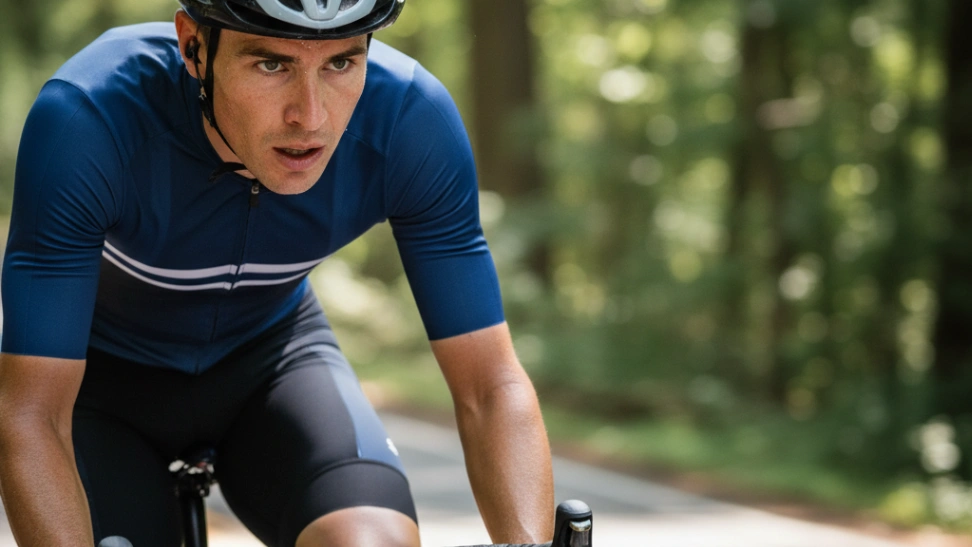
Road cycling is one of the few hobbies where progress is always measurable: watts, speed, elevation, time. That transparency is both its challenge and its gift — you always know exactly where you are. This guide takes you from first ride to structured training, with the benchmarks that tell you where you actually stand.
You don't need to be fit to start cycling. You just need to start. The aerobic base you build in those first unstructured months is the foundation everything else sits on — and it comes faster than you'd expect.
What Road Cycling Actually Demands
Road cycling is an endurance sport with a surprisingly technical overlay. The physical engine matters — cardiovascular capacity, muscular endurance, power-to-weight ratio — but so does bike positioning, pacing strategy, reading terrain, and the ability to manage effort intelligently. Beginners who treat it purely as a fitness activity and experienced riders who obsess over metrics at the expense of feel both leave performance on the table.
The defining characteristic of the sport is that improvement is measurable, visible, and relentless. A beginner averaging 22 km/h on flat roads can be averaging 30 km/h within a year of consistent training. That kind of trackable progression is rare in sport, and it's one of the reasons cyclists tend to become deeply committed very quickly.
The entry barrier is genuinely high. A functional road bike, helmet, and cycling-specific kit represent a real upfront cost. But operating costs are very low — your main currency once you're equipped is time, which the sport rewards generously and honestly.
Disciplines to Explore
Road cycling covers more ground than most people realise. Each discipline rewards different strengths and suits different personalities.
Road Racing
Criteriums, road races, and stage races. Requires tactical thinking alongside fitness — reading bunch dynamics, knowing when to follow moves, understanding when to conserve and when to commit. Start with local club races (Cat 4/5) before anything else.
Sportives & Gran Fondos
Organised mass-participation events over 80–160 km routes. Non-competitive (timed, not raced), fully supported with feed stations, and a great first target that gives training a purpose. Most riders enter their first sportive within 6–12 months of starting.
Time Trialling
Solo races against the clock — pure fitness expression with no tactics, no pack dynamics. Power meters become very relevant here. The 10-mile TT is the classic UK benchmark; the 40 km TT is standard internationally.
Endurance / Ultra
Audax, 300–1200 km randonneuring events, and ultra-distance challenges. Self-sufficiency, navigation, and the ability to manage fatigue over days matter more than raw speed. A completely different psychological challenge.
If you're brand new, target a sportive 6 months out and let that goal structure your riding. You'll get fitter, you'll have something to work toward, and you'll discover which aspects of cycling light you up most.
What Does It Cost to Start Road Cycling?
The upfront cost is front-loaded — once you're equipped, ongoing costs are genuinely low. Most of your recurring budget is tyres, tubes, and chain consumables.
Everything you need for your first year of riding
- Road bike (aluminium, entry-level)$500–700
- Helmet (CPSC/CE certified)$60–80
- Bib shorts + jersey$60–100
- Gloves + cycling socks$25–40
- Floor pump$30–50
- Spare inner tubes (×2)$15
Proper kit for regular riding and first events
- Better road bike (aluminium, 105/Tiagra)$1,000–1,400
- Clipless pedals + cycling shoes$120–200
- GPS bike computer (Garmin Edge 130)$180
- Heart rate monitor$50–80
- Cycling jacket + base layers$80–130
- Maintenance tools + chain lube$60
Performance-oriented setup for structured training and racing
- Carbon road bike (Ultegra/SRAM Rival)$2,500–4,000
- Power meter (Assioma Duo pedals)$550
- Smart indoor trainer (Wahoo KICKR Core)$600
- Full kit collection (multiple sets)$300
- Professional bike fit$150–250
- Race entry fees (annual)$200–400
Gear You Actually Need
Road cycling has a reputation for expensive kit, and at the high end that reputation is earned. But you don't need to spend big to start well. A mid-range bike that fits properly will outperform an expensive bike that doesn't — and a fit, motivated rider on a budget bike beats an unfit rider on a premium one every time.
The non-negotiables — you need these before your first session. No upsell here, just what actually matters to get started safely.


Worth it once you're committed. These items meaningfully improve your experience and are often bought within the first few months.

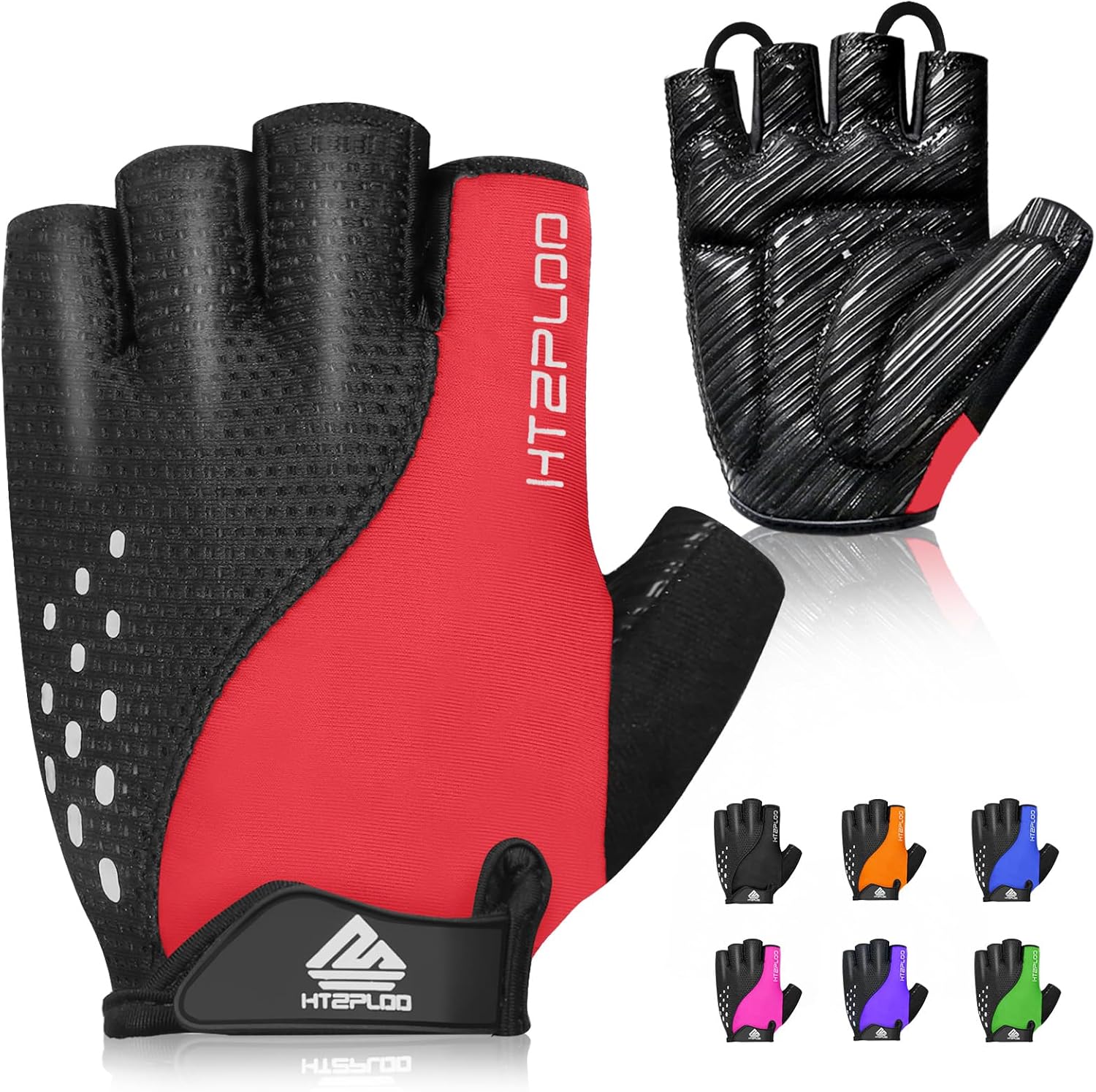

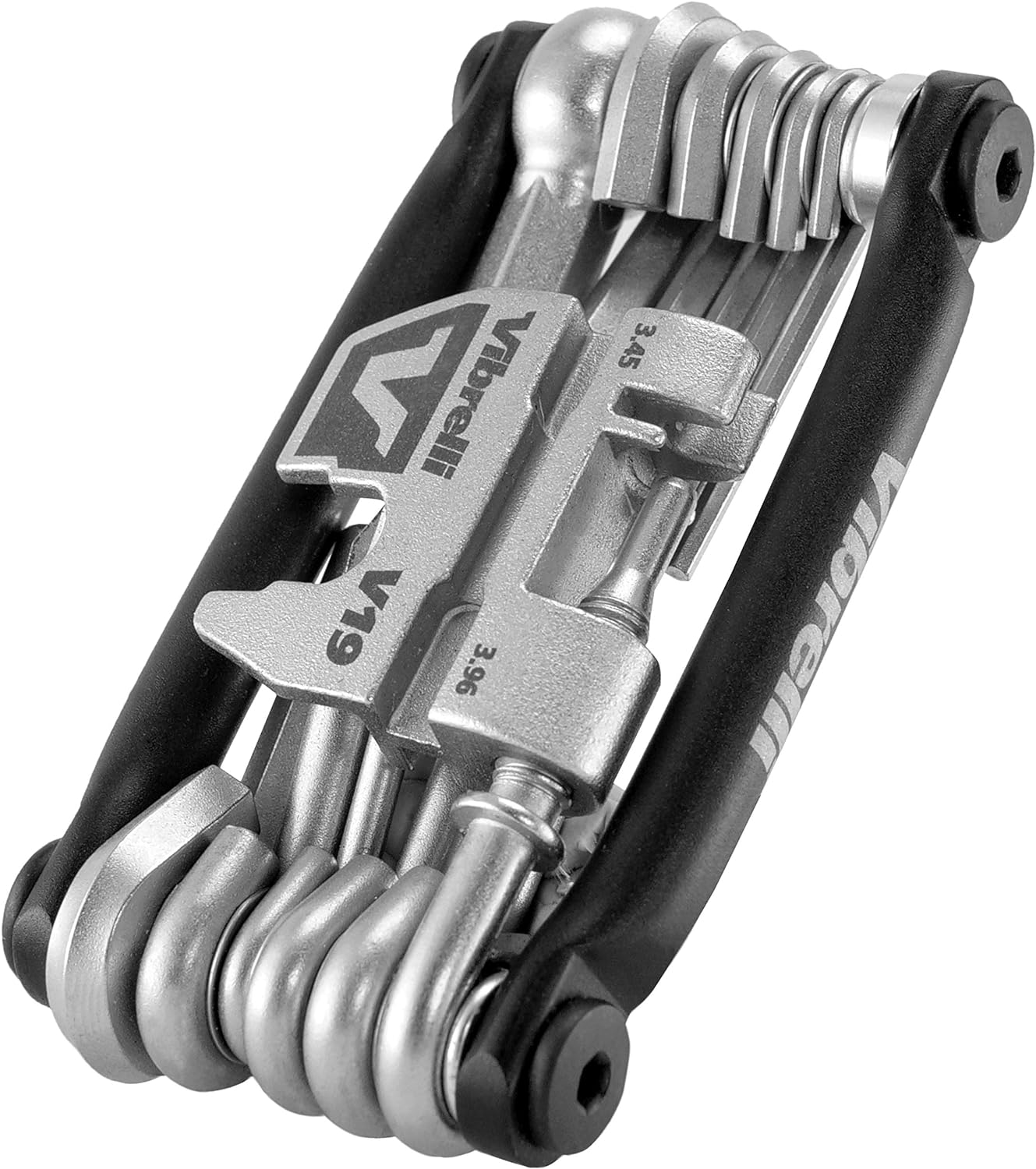
Interactive Buyer's Guide
Compare all tiers, track what you own, see your full budget.
The Progression Ladder
Most riders move through these stages over two to four years. The timeline depends heavily on volume, but the stages are consistent.
Road skills and first rides
Learning gear shifting, braking technique, riding in traffic, and basic bike handling. Rides are short (20–40 km), pace is slow, and the main goal is consistency and confidence.
Building the aerobic engine
Ride volume increases significantly. Long weekend rides extend to 60–100 km. Pace improves organically without structured intervals. This is where most physiological adaptation happens.
Intentional training by zone
Threshold intervals, VO2 max efforts, and zone-based training enter the picture. A power meter or heart rate monitor becomes useful. FTP testing becomes a regular marker of progress.
Peaking for specific days
Training organises around target events: sportives, gran fondos, or first races. Tapering, nutrition strategy, and race-day execution become meaningful. You learn the difference between fitness and form.
Periodised blocks and race tactics
Full periodisation across a season: build, peak, race, recover. Group riding dynamics, race tactics, reading a bunch, knowing when to follow moves. The goal has shifted from fitness to performance on a specific day.
How to Structure Your Training
Unstructured riding works well for the first year and produces significant fitness gains. After that, introducing structure is what separates continued improvement from a plateau.
Easy aerobic riding
The bulk of your training. Conversational pace, 60–70% of max heart rate. Develops mitochondrial density and fat oxidation. Most riders don't do nearly enough of this.
Sweet spot intervals
88–93% of FTP for 10–20 minute blocks. The most time-efficient training zone for improving sustained power. Uncomfortable but manageable.
Short hard intervals
4–6 minute efforts at 106–120% FTP with equal recovery. Raises the ceiling of your cardiovascular system. No more than two sessions per week.
Rest and easy spinning
Fitness is built during recovery, not during training. One full rest day and one easy spin per week is not optional — more recovery is often better than less.
Performance Benchmarks by Level
FTP (Functional Threshold Power) is the most reliable single measure of cycling fitness — the maximum power you can sustain for approximately one hour, expressed in watts per kilogram. These benchmarks give you an honest picture of where you stand.
| Level | FTP (W/kg) | Flat 40 km time | Avg speed | What this looks like |
|---|---|---|---|---|
| Beginner | 2.0–2.5 | ~75 min | 22–26 km/h | Getting comfortable on the bike, building aerobic base, learning road skills |
| Intermediate | 2.5–3.2 | ~60 min | 27–32 km/h | Consistent training, first sportives, joining club rides confidently |
| Advanced | 3.2–4.0 | ~52 min | 32–37 km/h | Structured training, racing Cat 4/5, regular 100 km+ rides |
| Elite Amateur | 4.0–5.0 | ~46 min | 38–44 km/h | Periodised seasons, Cat 1/2 racing, podium ambitions at local events |
How to Get Started
Get the bike and fit right
A poor bike fit causes injury and kills enjoyment. Visit a local bike shop for a basic fit before your first long ride. You don't need a professional bike fit immediately, but saddle height and reach need to be in the right ballpark. Most shops will set this up for free with a bike purchase.
Start shorter than you think
Your first rides should be 30–60 minutes at a pace where you can hold a conversation without gasping. This isn't laziness — it's building the aerobic base that everything else depends on. Riders who go too hard too early get injured, burned out, or both.
Learn to shift and brake properly
Modern road bikes have 20–22 gears. Learn to anticipate terrain changes and shift before you lose momentum. Brake into corners, not during them. Descending technique — hands in drops, weight back, looking through the bend — is best learned slowly before it becomes necessary at speed.
Eat and drink on the bike
Once you're riding over 90 minutes, nutrition matters. Aim for 30–60g of carbohydrates per hour and 500–750ml of fluid per hour. Eating feels awkward at first (one hand off the bar while moving) — practise it early. Bonking (running out of glycogen) is miserable and entirely preventable.
Join a club or group ride
Riding in a bunch is a skill that must be learned — wheel proximity, signalling hazards, sharing the pace. Join a beginner-friendly club ride within your first three months. You'll learn more in one group ride than in ten solo efforts, and you'll find people to ride with consistently.
Track something simple
You don't need a power meter yet, but tracking average speed, total distance, and elevation over time shows you that you're improving even when it doesn't feel like it. Strava is free and serves this purpose perfectly at the beginning.
Racing & Community
Road cycling has a remarkably well-organised event structure. There's an appropriate entry point for every level, and most events are welcoming to newcomers.
Sportives & Gran Fondos
Mass-participation events, 80–160 km, fully supported. The ideal first competitive target — not racing, but timed, with real stakes. Most countries have hundreds annually.
Criteriums (Cat 4/5)
Short-circuit races, 45–90 minutes. Fast, tactical, and the first step on the racing ladder. Mistakes are common. That's expected. Enter early.
Chain Gang & Club Rides
Weekly group rides where you learn to ride in a bunch: pace-lining, rotating, signalling, sprinting for town signs. The best free training you can do.
Time Trials
Individual races against the clock — no tactics, pure fitness. The 10-mile TT is the standard UK entry event. A power meter becomes highly relevant here.
Audax / Randonneuring
Self-supported long-distance rides (200–1,200 km). Less about speed, more about self-sufficiency and the ability to keep moving. A different discipline entirely.
Zwift Racing
Virtual racing on structured courses. Excellent structured training tool, particularly in winter. Categories A–D match roughly to real-world FTP ranges.
Common Plateaus & How to Break Them
Most cyclists plateau at predictable points for predictable reasons. Understanding what's happening makes the fix obvious.
Speed stopped improving
You're riding regularly but average speed has flatlined for months. More of the same isn't working.
Add structure
Unstructured riding produces diminishing returns after the first year. Introduce threshold intervals twice a week. Eight weeks of sweet spot work (88–93% FTP) typically produces a 5–10% FTP improvement.
Strong on flats, slow on climbs
Power is fine but power-to-weight ratio holds you back on anything with gradient.
Target weight or increase FTP
A 5 kg reduction at the same FTP produces roughly 4% improvement on a 6% grade. Alternatively, focus on FTP development through Zone 2 volume — both work, and they compound.
Getting dropped on group rides
Comfortable solo, but can't hold a wheel in a bunch or respond to accelerations.
Add short high-intensity work
Group rides require short bursts well above threshold. One session per week of 30-second to 2-minute efforts at max intensity builds the neuromuscular capacity that pure Zone 2 doesn't develop.
Perpetually tired, not improving
Training consistently hard but feel flat, heavy-legged, and performance is declining.
Prioritise recovery
This is overtraining, not undertraining. Take 5–7 days of easy riding or rest, then reintroduce training at 70% previous volume. Add one guaranteed rest day per week going forward. Fitness accumulates during recovery, not during effort.
What to Expect
Here's what typically happens when you start — and why it's useful information, not failure.
Saddle soreness
is universal in the first 2–4 weeks. Padded bib shorts help enormously. It passes as you adapt.
Average speed improves slowly
and then suddenly. The first year feels like grinding. Year two often brings a jump of 3–5 km/h from accumulated fitness.
Group rides are intimidating
until they're not. Your first bunch ride will feel chaotic. By your fifth, you'll feel natural. The learning is compressed.
The data becomes addictive.
Power, heart rate, elevation, segment times — the numbers are unusually satisfying to track. This is a feature, not a problem.
You will fall off.
Usually at a standstill in clipless pedals. Everyone does. It hurts ego more than body. Clip back in.
Tips That Actually Help
The 80/20 rule is real
Research on elite endurance athletes consistently shows ~80% of training at low intensity and ~20% at moderate to high. Most amateur cyclists invert this and train too hard too often. Your easy rides should feel embarrassingly easy. That's correct.
Eat before you're hungry
By the time you feel hungry on a bike, glycogen depletion is already happening. Eat something every 45 minutes from the start of any ride over 90 minutes, regardless of how you feel. Gels, bars, bananas, rice cakes — whatever sits well for you.
Tyre pressure matters more than most things
Correct tyre pressure prevents punctures, improves handling, and reduces rolling resistance. Check before every ride. For 25mm road tyres: 85–95 psi front, 90–100 psi rear. Lower in rain. Don't inflate to maximum — that's almost always wrong.
Cadence over power
New cyclists tend to push big gears at low cadence (70–80 rpm). Experienced cyclists spin at 90–100 rpm. High cadence reduces muscular fatigue and keeps you fresher for longer. It feels inefficient at first. It isn't.
Bike fit is not optional
A poor fit causes knee pain, back pain, neck pain, and hand numbness — and it limits power output. Get a basic fit from your shop when you buy the bike. If you're still struggling after 3 months, invest in a professional dynamic fit (~£100–200). It's worth every pound.
Descend better by looking further ahead
Most beginners stare at the road immediately in front of the wheel, which creates late, jerky reactions. Look through the bend — where you want to exit. The bike will follow your eyes, your inputs will smooth out, and you'll carry more speed with less braking.
Common Questions Answered
- What type of road bike should a beginner buy?
An aluminium endurance road bike in the £500–800 range from a reputable brand (Giant, Trek, Specialized, Cannondale). Endurance geometry means a more upright position that's more comfortable for beginners. Avoid carbon at this stage — it's unnecessary until you know the sport fits you.
- Do I really need clipless pedals?
Not immediately, but eventually yes. Clipless pedals improve pedalling efficiency and allow you to pull through the bottom of the stroke as well as push down. Start with flat pedals and add clipless within 3–6 months once you're comfortable with traffic, cornering, and stopping. Expect to fall at a standstill once or twice while learning — it's rite of passage.
- How do I train in winter?
Options: (1) Ride outdoors with appropriate kit — merino base layer, windproof jacket, overshoes, and gloves make most conditions manageable. (2) Indoor trainer — a smart trainer paired with Zwift or TrainerRoad provides structured training without weather dependency. Most serious cyclists use a mix of both.
- When should I get a power meter?
When you have 6+ months of riding and want to train with more precision than heart rate alone provides. The Favero Assioma Duo pedals (~£550) offer the best value and accuracy. Power meters are transformative for structured training — but pointless until you have a training plan that uses the data.
- How far should I be riding each week?
In the first 3 months: 3 rides of 30–60 minutes each (90–180 min/week total). Months 3–12: build toward 4–6 hours/week. Year 2+: 6–10 hours/week if training seriously. Never increase weekly volume by more than 10% per week. The 10% rule prevents overuse injuries reliably.
- Is road cycling dangerous?
The risks are real but manageable. Wear a helmet always. Use lights front and rear (even in daylight). Be predictable — hold your line, signal your intentions, and don't take risks to keep pace with faster riders. The most dangerous moment is often distracted urban riding, not high-speed descents.
- How do I deal with punctures while riding?
Carry two spare inner tubes, tyre levers, and a CO2 inflator or mini pump. Pull off the road safely, remove the wheel, use tyre levers to remove one side of the tyre, find and remove the cause of the puncture from the tyre interior, install the new tube, and inflate. Practise this at home before you need to do it roadside.