Best Mountain Bike Gloves for Beginners
Gloves are the cheapest, most useful thing to add after a helmet: better grip, less vibration, and saved skin when (not if) you go down. Full-finger, always, for trail riding. Here are three worth pulling on, how we chose them, and what to expect.
HobbyStack may earn a commission from links on this page at no extra cost to you. Our picks are chosen on merit; the commission helps fund the research.
- Full-finger gloves are standard for trail riding — they protect your fingers and palms in a crash.
- Gloves improve grip on the bars (especially sweaty) and cushion trail vibration.
- Minimal, low-profile gloves give the best bar feel; lightly padded ones add comfort.
- Touchscreen fingertips let you use your phone without taking them off.
- They’re cheap and wear out — an easy, high-value first purchase after the helmet.
 100% Ridecamp GlovesBest bar feel$29Check price
 Our pickFox Racing Ranger GlovesMost beginners$40Check price
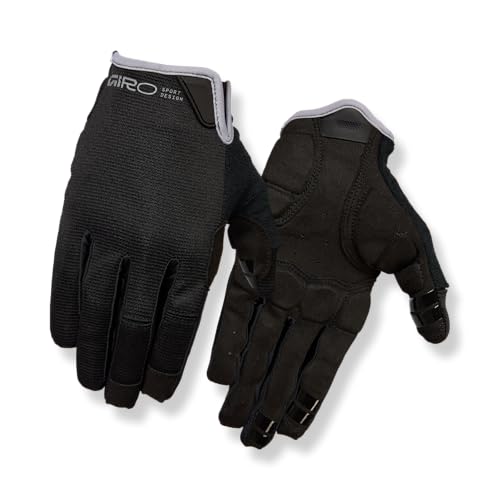 Giro DND GlovesComfort + grip$40Check price
Why full-finger, and how much padding
For mountain biking, full-finger gloves are the standard (unlike road cycling’s fingerless mitts). Your hands always hit the ground first in a tumble, and brush, branches, and roost find exposed fingers — full coverage protects all of it. Gloves also improve grip on the bars when your hands sweat and take the edge off trail vibration.
Padding is a preference. Minimal, low-profile gloves (like the 100% Ridecamp) give the best direct feel of the bars and brake levers — most trail riders prefer this. Lightly padded gloves add a little comfort on long, rough rides. Avoid heavily gel-padded gloves for technical riding; they dull your control.
How we picked
We rated gloves on what a trail rider actually notices. Grip: a tacky, single-layer palm that holds the bars and gives feel on the brake levers, since control matters more than cushioning off-road. Protection without bulk: full-finger coverage and enough palm to save skin, without thick gel padding that deadens feel. Fit and breathability: a snug, breathable fit that doesn’t bunch on the levers and won’t cook your hands on a climb. Touchscreen fingertips so you can check a map without de-gloving, and a price that makes replacing a worn pair painless. We picked a minimal value glove, the best-selling all-rounder, and a premium glove with light protection.
 Best value
100% Ridecamp Gloves
The value pick with the best feel, and a favourite of riders who hate bulk. The Ridecamp is streamlined and low-profile, with no padding to get between you and the bars, a grippy single-layer Clarino palm with silicone print for sure lever control, and conductive thread in the fingertips for your phone. It is light, breathable, and cheap enough to replace without a second thought. There is no padding by design — which most trail riders prefer for control — and the sizing runs a touch small, so size up. For pure bar feel per dollar, nothing here beats it.
What's good
- Direct, unpadded bar feel
- Grippy palm and touchscreen tips
- Light, breathable, and cheap
- Easy to replace when worn
What's not
- No padding (by design)
- Runs a touch small — size up
- Thin against cold or scrapes
 Best all-rounder
Fox Racing Ranger Glove
The default trail glove, and a perennial best-seller because it gets the balance right. The Ranger is light and breathable with 4-way stretch across the back of the hand, a grippy palm for confident lever control, conductive touchscreen fingertips, and just enough palm material to save skin in a tumble without deadening feel. Full-finger coverage is the trail standard, and the build holds up to regular use. It has minimal padding (which suits trail riding) and sizing varies, so check the chart — but for most beginners it is the glove to buy and forget about.
What's good
- Light, grippy, and breathable
- Touchscreen fingertips
- Just enough palm protection
- Durable best-seller
What's not
- Minimal padding
- Sizing varies — check the chart
- Plain styling
 Best premium
Giro DND Gel Bike Gloves
The comfort-and-quality upgrade for riders who want a nicer glove that lasts. The DND (“Down ’N Dirty”) pairs a conforming AX Suede microfibre palm — which gives excellent lever grip and moulds to your hand — with light 2mm EVA crash pads for a bit of impact protection and a sweat-wiping microfibre thumb panel that is genuinely useful on hot climbs. It has touchscreen fingertips and a more refined finish than basic gloves. It costs a little more and runs slightly warmer than a minimal glove, but for all-day comfort and durability it is the pick.
What's good
- Excellent palm grip and feel
- Light crash padding for protection
- Sweat-wiping microfibre thumb
- Durable, refined finish
What's not
- Pricier than basic gloves
- Slightly warmer than minimal gloves
- Light padding mutes feel a touch
Try gloves on and flex your hands around an imaginary bar. They should be snug with no loose fingertip material that could bunch on the brake levers, but not so tight they restrict movement or cut circulation. Most MTB gloves stretch slightly with use, so a close fit out of the box is right.
What to expect
The first ride in proper gloves, you immediately notice steadier grip and less buzz through your palms on rough trail — and the first time you put a hand down in a low-speed tumble (which happens to everyone), you’ll be very glad they’re full-finger. Expect to get the size dialled in over a ride or two; they should feel snug without bunching at the fingertips, and most fabrics give a little as they break in. Gloves are consumable — the palms wear and the fingertips eventually go — so treat them as a cheap, regular replacement rather than a forever purchase. A practical tip: keep them somewhere they can dry between rides, because sweaty gloves stuffed in a pack get unpleasant fast.
Before you buy
Choose full-finger gloves for trail riding.
Minimal gloves give the best bar feel; light padding adds comfort.
Look for touchscreen fingertips.
Fit snug with no loose fingertips.
They’re cheap and wear out — replace as needed.
It is tempting to buy the most padded gloves you can find, but heavy gel padding is the wrong choice for mountain biking — it deadens your feel of the bars and brake levers, which hurts control on technical trails, and bunches under your palm. Off-road you want grip and feel, not cushioning. Choose minimal or lightly padded trail gloves instead.
MTB glove questions
Do I need mountain bike gloves?
Full-finger or fingerless gloves for mountain biking?
Do I want padded gloves?
How should mountain bike gloves fit?
How long do mountain bike gloves last?
Do I need winter or waterproof gloves too?
Add full-finger gloves right after your helmet — they help every ride and save skin in a crash. The Fox Ranger is the do-everything best-seller most beginners should buy; the 100% Ridecamp is the value pick with the best bar feel; the Giro DND Gel is the premium, plusher option. Fit them snug with no loose fingertips, and skip the thick gel padding.
Ready to actually do it?
The first mountain biking quest takes an evening, and it tells you whether the gear was worth it better than any review can.
Start Mountain BikingThe HobbyStack editorial team researches each guide against manufacturer specifications, published resources and practitioner sources. Every product is checked for availability and described against its current listing before publication, and prices are re-checked when guides are updated.
About our editorial process →More gear guides
All guidesBest Beginner Mountain Bikes: How to Choose Your First Hardtail
Your first mountain bike should be a quality hardtail from a real bike brand, not a big-box “bike-shaped object” that falls apart on the trail. These bikes are sold through bike shops and the brands’ own sites (not Amazon), so we link you straight to the source. Here’s how to choose, how we picked, and what to expect.

Best Mountain Bike Helmets for Beginners
The helmet is the one piece of mountain-bike gear you should never buy used and never skip. A good trail helmet covers more of your head, includes rotational protection, and costs far less than a single emergency-room visit. Here are three worth your head, how we chose them, and what to expect.

Best Hydration Packs for Mountain Biking
Once rides get longer than a quick loop, you need water you can drink without stopping: plus room for a spare tube, tools, and a snack. A hydration pack carries it all hands-free. Here are three, how we chose them, and what to expect.

Best Mountain Bike Knee Pads for Beginners
Once your trails get real features, knee pads are the highest-value protection you can add, knees hit the ground and the bike most often. Modern flexible pads are comfortable enough to forget you’re wearing them. Here are three, how we chose them, and what to expect.

Best Beginner Belay Device 2026: BD ATC-XP vs Petzl GRIGRI vs GRIGRI+
A belay device is the friction tool that lets you manage the rope, catching your climber's falls and lowering them safely. Every climber needs to own one once they're belay certified. Here are three picks across the two fundamental categories: the standard tube device every beginner learns on, and the two versions of Petzl's cam-assisted GRIGRI that most serious gym climbers eventually upgrade to.

Best Beginner Climbing Harness 2026: Black Diamond vs Petzl Corax vs Solution
Your harness is the connection between you and the rope: it needs to fit, hold falls safely, and stay comfortable during long sessions at the wall. The good news: any UIAA/CE-certified harness from a major brand is safe. The choice is about comfort, padding, and how much you climb. Here are three picks that cover beginner gym use through regular sport climbing.