Best Beginner Bike Helmets (2026): 3 Safe Picks
A helmet is the one piece of cycling gear you should never skip, and the good news is a great one doesn't cost much. The thing to look for is MIPS, a liner that helps with the angled hits that cause most head injuries. All three picks below have it, from a cheap first lid to a lighter, better-vented upgrade.
HobbyStack may earn a commission from links on this page at no extra cost to you. Our picks are chosen on merit; the commission helps fund the research.
- Get MIPS. It's a low-friction liner that reduces rotational force in a crash, and it's cheap to have now.
- Fit beats price. A helmet only works if it sits level and snug, so measure your head and check the size range before buying.
- You don't need to spend a lot. A $60 to $70 MIPS helmet is safe, comfortable, and well vented enough for most riders.
- Replace it after any real crash, even if it looks fine. The foam is single-use by design.
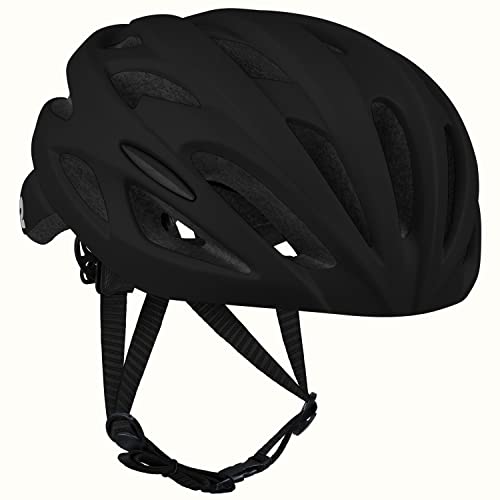 Retrospec Silas Adult Bike Helmet (MIPS)A cheap, safe first helmet with MIPS$28Check price
 Our pickGiro Fixture MIPSThe value pick most riders should buy$82Check price
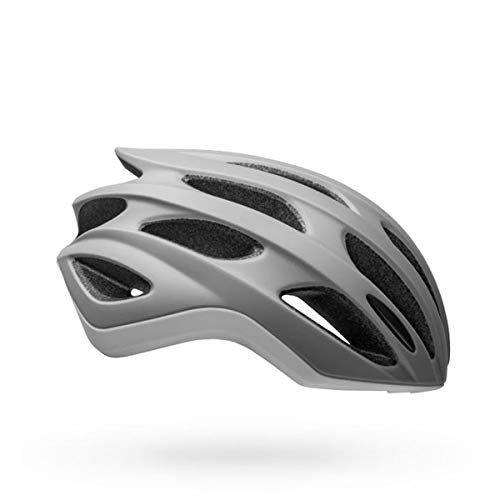 Bell Formula MIPSA lighter, better-vented helmet you won't want to replace$54Check price
Every helmet sold in the US has to pass the same CPSC impact standard, so a cheap certified helmet and an expensive one meet the same safety floor. What you pay more for is weight, ventilation, adjustment quality, and features like MIPS. For a beginner that means you can spend a little and still be genuinely safe.
MIPS is the feature worth caring about. It is a thin liner inside the helmet that lets it rotate slightly on impact, which helps with the angled hits that cause a lot of head injuries. It used to be a premium add-on, and now it shows up on helmets under $40. All three picks here have it.
Fit is the part people get wrong. A helmet should sit level on your head (not tilted back), cover your forehead, and feel snug without the dial cranked all the way down. Measure around your head just above your eyebrows and match that to the size range. If you are between sizes or unsure, a helmet with a wide adjustment dial is the safer bet.
 Best budget pick
Retrospec Silas Adult Bike Helmet (MIPS)
Budget MIPS lid with a dial fit and decent vents.
What's good
- MIPS at a genuinely low price
- Dial adjustment for a snug fit
- CPSC certified, lots of colors and sizes
- Great value for a first helmet
What's not
- Heavier and less vented than pricier helmets
- Padding is basic
- Styling is plain
 Best for most beginners
Giro Fixture MIPS
The go-to value MIPS helmet: trusted brand, comfy, well vented.
What's good
- Trusted brand with a great fit system
- MIPS and good ventilation for the price
- One-size dial fits a wide range of heads
- Comfortable enough for long rides
What's not
- One-size only, so very small or large heads should check the range
- Not the lightest helmet
- Basic look
 Best to grow into
Bell Formula MIPS
Step-up MIPS road helmet: lighter, more vents, nicer fit.
What's good
- Lighter and better vented than budget lids
- MIPS with a comfortable Float Fit dial
- Multiple sizes for a more precise fit
- Looks and feels a step above
What's not
- Costs more than you need to spend to be safe
- Still not a race-weight helmet
- Color availability varies
HobbyStack has a full Cycling overview with starter costs, the gear you actually need, and an honest take on what it's like to begin.
Before you buy
Measure around your head above your eyebrows and match the size range.
Make sure it's a MIPS helmet with a CPSC certification.
Try the dial fit: it should sit level and snug without cranking it all the way.
Common questions
What should I look for in a beginner bike helmet?
How much should a beginner spend on a bike helmet?
When should I replace my bike helmet?
You don't need to overthink your first helmet. The recommended pick suits most beginners. Go budget to spend less, or premium to grow into.
Ready to actually do it?
The first cycling quest takes an evening, and it tells you whether the gear was worth it better than any review can.
Start CyclingThe HobbyStack editorial team researches each guide against manufacturer specifications, published resources and practitioner sources. Every product is checked for availability and described against its current listing before publication, and prices are re-checked when guides are updated.
About our editorial process →More gear guides
All guides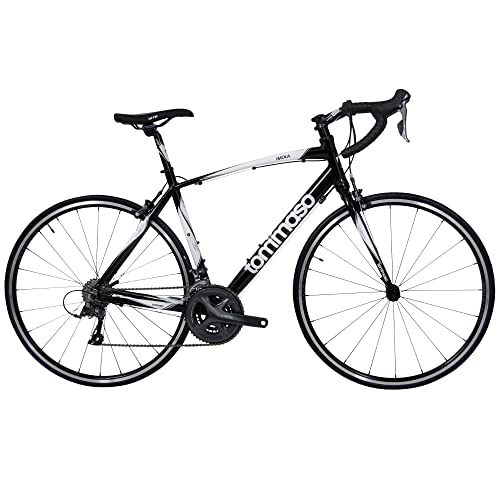
Best Beginner Road Bike (2026): 3 Real Picks You Can Actually Buy Online
A good first road bike is less about the brand on the frame and more about a few basics: a light aluminum frame, a Shimano drivetrain that shifts cleanly, and a fit that suits you. Quality road bikes are surprisingly scarce and pricey on Amazon, so it pays to skip the no-name bargains and stick to real brands. Here are three you can genuinely buy, from an affordable Schwinn to a carbon-fork Tommaso to grow into.
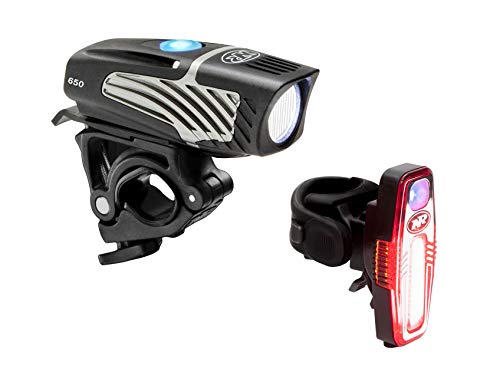
Best Bike Lights for Beginners (2026): 3 Real Picks
Bike lights do two different jobs, and knowing which you need is the whole decision. A 'be seen' light is a bright blinker that makes cars notice you on lit streets; a 'see the road' light throws a real beam so you can ride on dark, unlit roads and trails. Both should be USB rechargeable and easy to move between bikes. Most commuters need be-seen; anyone riding beyond streetlights needs to actually see. Here are three good options across the range, plus how to pick the brightness that matches where you ride.

Best Running Hydration 2026: Handheld vs Vest (Nathan & Salomon)
Once your runs stretch past an hour, carrying water stops being optional, but how you carry it depends almost entirely on how long you run. A handheld flask covers the daily training run most people do; a vest is what you want when you start going long or hit the trail. Here's how to choose, and why belts have fallen out of favor.

Best Running Shoes for Beginners (2026): Cushioning, Fit and the Gait Myth
Running shoes are sold on technology and bought on hope. The evidence that matching a shoe to your gait prevents injury is far weaker than shop advice implies, while the two things that reliably matter — a shoe that fits properly and one you find comfortable — get treated as afterthoughts. Start there and you will spend less and enjoy it more.

Best Running Watch for Beginners 2026: Garmin Forerunner 55 vs 265 vs 965
A GPS running watch gives you accurate pace and distance at a glance, the one piece of running tech that genuinely changes your training. They're all Garmin Forerunners here (the series owns running), and the only real question is how much watch you need: the essentials, the training metrics, or the maps. For most new runners, the cheapest does everything.

Best Beginner Tennis Racket (2026): 3 Picks for Every Budget
The right beginner racket is the one that forgives your mishits while you learn to find the sweet spot. That means a lighter frame, a bigger head, and an open string pattern: here are three that get it right, from a no-brainer first racket to one you can grow into for years.