

3D Printing vs Retrocomputing
Side-by-side on feel, cost, and what your week needs to look like, so you can pick 3D Printing or Retrocomputing with your real life in mind, not just the aesthetic.
3D Printing and Retrocomputing can feel similar on paper, but they ask for different weeks: 3D Printing suits significant (regular spend to continue), Retrocomputing suits moderate (occasional supplies / fees). The clearest personality split is payoff: Weeks for 3D Printing, Hours for Retrocomputing.
3D Printing
Watch a digital design rise into a real object, layer by molten layer.
Watch a digital design rise into a real object, layer by molten layer.
Retrocomputing
Bring old computers back to life, then boot them up and tinker like it's 1985.
Restore and program vintage computers, recap a dead board and boot a machine from 1984.
Which is right for you?
Choose 3D Printing if…
- Leveling the bed and tuning a Z-offset feels like a puzzle, not a chore.
- You want a bracket or hook that holds real weight in your hand.
- Diagnosing why a print warped is half the fun for you.
Choose Retrocomputing if…
- Bare-metal understanding of how computers actually work, with real nostalgia.
- A revived machine is a tangible, usable, genuinely cool result.
- Active communities document nearly every machine and fault.
Experience profile79% overlap
Still
Still
Deep focus
Deep focus
Solo
Pairs
Structured
Structured
Weeks
Hours
Open-ended
Some expression
Depth & mastery
3D Printing
Progression · Gradual mastery
Retrocomputing
Progression · Gradual mastery
Practical fit
Shaded rows show where they differ.
Activity type
Only 3D Printing
Only Retrocomputing
Sensory & flags
Shared
Retrocomputing only
Before you commit
3D Printing
- A print detaching into a spaghetti tangle would ruin your evening.
- You expect the first attempt to work without any fiddling.
- You would rather not live inside slicer settings and nozzle clogs.
Retrocomputing
- Old hardware is flaky and parts can be scarce or pricey.
- Basic soldering and patient fault-finding are part of the deal.
- Storing machines and spares takes more space than you'd think.
Starter gear
What you'll need
Essential kit only, what you actually buy on day one.

3D Printer
Bambu Lab A1 Combo (with AMS lite)
Filament Spool Holder
Sunlu Tabletop Filament Spool Holder with Bearings
Build Surface Scraper
Gizmo Dorks Flexible Steel Spatula Scraper
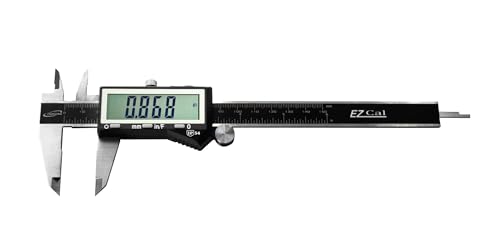
Digital Caliper
iGaging 6-Inch IP54 Digital Caliper

Flush Cutters
Hakko CHP-170 Micro Cutter
Amazon affiliate links, we earn a small commission at no extra cost to you.
Common questions
Should I pick 3D Printing or Retrocomputing?
How different are 3D Printing and Retrocomputing?
Which is easier for beginners: 3D Printing or Retrocomputing?
Which costs more to start: 3D Printing or Retrocomputing?
Next steps
Still undecided?
Take the quiz: we'll match you to the right hobby, solo or with friends.