

Historical Cooking vs Wine Tasting
Side-by-side on feel, cost, and what your week needs to look like, so you can pick Historical Cooking or Wine Tasting with your real life in mind, not just the aesthetic.
Historical Cooking and Wine Tasting can feel similar on paper, but they ask for different weeks: Historical Cooking suits moderate, Wine Tasting suits serious. The clearest personality split is practical / creative: creative for Historical Cooking, practical for Wine Tasting.
Historical Cooking
Cook from centuries-old recipes the way they were actually made.
Cook from centuries-old recipes the way they were actually made.
Wine Tasting
Train your palate to taste what's actually in the glass.
Train your palate to taste what's actually in the glass.
Which is right for you?
Choose Historical Cooking if…
- You like being half-detective with a recipe that just says 'cook until done'.
- Tasting exactly what someone tasted four hundred years ago thrills you.
- Sourcing verjuice and grinding your own spice blends sounds like fun.
Choose Wine Tasting if…
- The day you smell blackcurrant before anyone says it opens it all up.
- You'll patiently train a palate that's slow to sharpen.
- You want to taste what's actually in the glass, not just drink it.
Experience profile66% overlap
Restful
Restful
Indoors
Indoors
Social
Social
Creative
Practical
Technical
Technical
Hands-on
Hands-on
Relaxed
Relaxed
Cautious
Cautious
Patient
Patient
Private
Private
Minimalist
Collector
Studious
Studious
Low-kit
Gear-heavy
Analog
Analog
Objects
Objects
Practical fit
Shaded rows show where they differ.
Activity type
Only Historical Cooking
Before you commit
Historical Cooking
- Eating gluey, bland, or genuinely strange dishes to learn isn't worth it to you.
- You want a recipe with temperatures and amounts, not 'a sufficient quantity'.
- Cross-referencing manuscripts to reconstruct a flavor sounds like homework.
Wine Tasting
- Every glass just tasting like wine for a while would bore you.
- Chasing notes turning a simple pleasure into homework sounds joyless.
- Buying bottles worth waiting for costs more than you'll spend.
Starter gear
What you'll need
Essential kit only, what you actually buy on day one.

Historical Cookbook
The Medieval Cookbook by Maggie Black (1992-09-17)

Mortar and Pestle
ChefSofi Mortar and Pestle Set

Cast Iron Dutch Oven
Cuisinart Chef's Classic Enameled Cast Iron Oval Covered Casserole (Provencial Blue, 5.5-Quart)
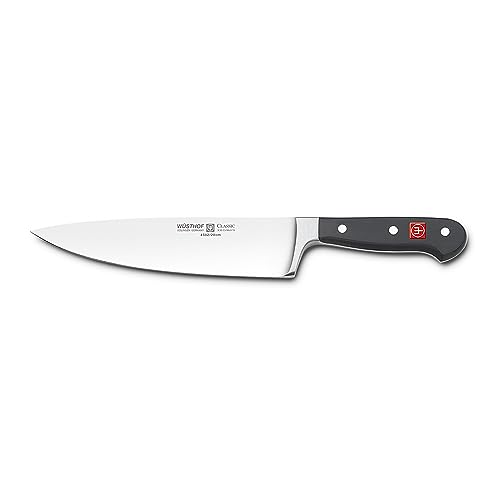
Chef's Knife
WÜSTHOF Classic 8 Inch Chef’s Knife,Black,8-Inch

Corkscrew
Rabbit Automatic Electric Corkscrew - Hands-Free Wine Opener with Integrated Foil Cutter, Rechargeable Cordless Electric Bottle Opener for All Cork Types - Barware Essential & Kitchen Tools

Wine Glassware Set
Libbey Signature Kentfield Estate All-Purpose Wine Glasses
Amazon affiliate links, we earn a small commission at no extra cost to you.
Common questions
Should I pick Historical Cooking or Wine Tasting?
How different are Historical Cooking and Wine Tasting?
Which is easier for beginners: Historical Cooking or Wine Tasting?
Which costs more to start: Historical Cooking or Wine Tasting?
Next steps
Still undecided?
Take the quiz: we'll match you to the right hobby.