Best Bonsai Tool Kit for Beginners (2026): Starter to Japanese-Made
A bonsai tool kit bundles the few tools that actually shape a tree: sharp scissors for trimming, a concave cutter for removing branches cleanly, and wire plus a wire cutter for training. A kit gets you all of it in one box so you can start pruning properly instead of hacking at your tree with kitchen scissors. Here are three good ones, from a cheap complete starter set to a small set of superb Japanese-made tools.
HobbyStack may earn a commission from links on this page at no extra cost to you. Our picks are chosen on merit; the commission helps fund the research.
- A few tools do almost everything: sharp trimming scissors, a concave branch cutter, and training wire with a wire cutter.
- The concave cutter is the one specialist tool worth having: it removes branches with a hollow cut that heals flat instead of leaving a stub.
- More pieces is not better. A small set of good, sharp tools beats a giant kit of soft steel.
- Keep the blades clean and sharp, and wipe off sap. Bonsai tools are precision cutters, not garden shears.
 Zieyeen 20-Piece Bonsai Tools SetA complete first kit for the least$24Check price
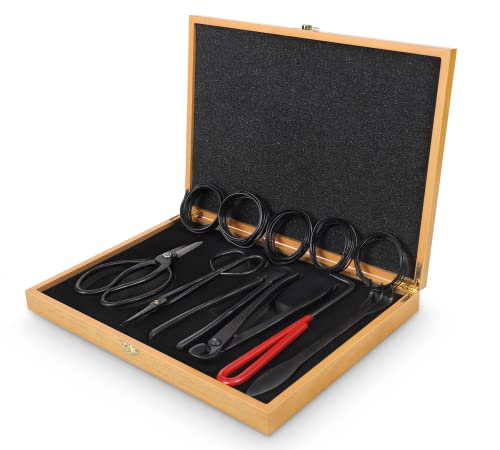 Our pickSOLIGT 12-Piece Bonsai Tool Set with Wood BoxThe set with the tool that matters, for most$47Check price
 Wazakura Hanafubuki Japanese Bonsai Starter SetSuperb tools you grow into$70Check price
Bonsai is really about two actions repeated over years: cutting and shaping. That is why the tool kit matters more than almost anything else you buy, and why it is a short list. Sharp scissors handle the constant trimming of leaves and fine shoots. A concave branch cutter, the one tool people do not expect, removes larger branches with a scooped cut that heals almost flat against the trunk rather than leaving an ugly stub. And training wire, wrapped around a branch and cut off later with a wire cutter, is how you bend and set the tree into the shape you want. A kit puts those together so you are ready to work on a tree the day it arrives.
The trap to avoid is thinking more pieces means a better kit. A twenty-piece set of soft, stamped steel that goes blunt in a month is worth less than three genuinely sharp, well-made tools. Carbon steel holds an edge; stainless resists rust and sap. For a first tree, a complete affordable set is a perfectly sensible way to learn what you actually reach for, and many people then upgrade the two or three tools they use most. That is the natural path these picks follow.
 Best budget kit
Zieyeen 20-Piece Bonsai Tools Set
The cheap, complete way to start. This 20-piece Zieyeen set covers the basics a beginner reaches for: high-carbon steel scissors and pruning shears, training wire in several sizes, and assorted small tools, all in an organizer case. It even throws in a large waterproof repotting mat that snaps up at the corners to keep the mess contained. Nothing here is heirloom quality, but for learning what you actually use on a first tree, it is a genuine bargain.
What's good
- 20 pieces cover every beginner task
- High-carbon steel scissors and shears
- Includes training wire and a repotting mat
- Very cheap way to start
What's not
- Value steel, not heirloom quality
- Lighter-duty than the heavier sets
 Best for most beginners
SOLIGT 12-Piece Bonsai Tool Set with Wood Box
The kit most beginners should get, because it includes the concave cutter. Alongside a trimming scissor, a large butterfly shear, a wire cutter, and five rolls of training wire, the SOLIGT set adds the concave branch cutter that lets you remove branches with a clean, flat-healing cut, the one tool the cheapest kits skip. The carbon steel is hand-forged and holds an edge, and it all stores in a wood box. It is the no-overthinking pick: the real bonsai tools, at a fair price.
What's good
- Includes a proper concave branch cutter
- Hand-forged carbon steel holds an edge
- Wire cutter and five wire rolls included
- Stores in a wood box
What's not
- Fewer odds-and-ends than a big value kit
- Carbon steel needs wiping to avoid rust
 Best to grow into
Wazakura Hanafubuki Japanese Bonsai Starter Set
The set for someone who already knows they love this. Wazakura is a respected Japanese maker, and this Hanafubuki starter set is quality over quantity: precise Satsuki trimming scissors (180mm) for delicate work in tight spaces, 2-in-1 stainless tweezers with a rake on the end for weeding and repotting, and a traditional broom for cleaning up after pruning. It is only three tools, but they are the ones you handle most, and the difference in feel and precision is immediately obvious. A lovely set to grow into.
What's good
- Genuine Made-in-Japan quality
- Precise 180mm Satsuki trimming scissors
- Stainless tweezers with a rake end
- Tools you will keep for years
What's not
- Only three tools (quality over quantity)
- No concave cutter in this set
A beginner can shape a tree beautifully with three things: sharp scissors, a concave cutter, and some training wire. Do not be talked into a huge kit of tools you will never touch. Buy or keep the few that matter, keep them clean and sharp, and add specialist tools (like a knob cutter or a root hook) only when a specific job calls for one.
Which to buy: want a complete first kit for the least? The Zieyeen 20-piece set does it. Want the set that includes the concave cutter you will actually use? The SOLIGT is the easy pick for most. Already sure you love bonsai and want superb Japanese tools? The Wazakura Hanafubuki set.
Before you buy
Keep your scissors for leaves and fine shoots only. Use the concave cutter for anything thicker so cuts heal flat.
Wipe sap off the blades after each session and keep them lightly oiled to prevent rust, especially carbon steel.
When wiring, wrap at about a 45 degree angle and cut the wire off later rather than unwinding it, to avoid damaging bark.
Do not buy every specialist tool at once. Add a knob cutter or root rake when a job actually needs it.
Bonsai tool kit questions
What tools does a beginner actually need?
What is a concave cutter and why does it matter?
Is a bigger kit with more pieces better?
Carbon steel or stainless steel?
Do I need special bonsai tools or will garden shears do?
How do I care for the tools?
For most beginners the SOLIGT set is the pick: real bonsai tools including the concave cutter that the cheapest kits skip, in hand-forged carbon steel. Want a complete first kit for the least? The Zieyeen 20-piece set. Already sure you love bonsai and want superb Japanese tools to grow into? The Wazakura Hanafubuki set. Whatever you choose, keep the blades sharp and clean, and remember you need fewer tools than you think.
Ready to actually do it?
The first bonsai quest takes an evening, and it tells you whether the gear was worth it better than any review can.
Start BonsaiThe HobbyStack editorial team researches each guide against manufacturer specifications, published resources and practitioner sources. Every product is checked for availability and described against its current listing before publication, and prices are re-checked when guides are updated.
About our editorial process →More gear guides
All guides
Best Beginner Bonsai Concave Cutter 2026: Stainless, Forged Alloy & KAKURI Made-in-Japan
The concave cutter is the tool that makes bonsai look like bonsai, it removes a branch with a hollow bite so the wound heals flush with the trunk instead of leaving a stub. Here are three beginner-friendly picks you can actually buy on Amazon, from an $18 stainless cutter to learn on to a Made-in-Japan KAKURI, plus when you actually need one.

Best Beginner Bonsai Shears 2026: Brussel's, Wazakura & Yasugi-Steel Picks
Bonsai pruning shears are the most-used tool in the hobby, you'll reach for them every time you touch a tree, so they're the one worth getting right first. Here are three genuinely good beginner picks you can actually buy on Amazon: a ~$20 pair from a trusted US nursery to learn on, a Made-in-Japan everyday pair, and a buy-it-once Yasugi-steel tool, plus how to choose the size and steel.
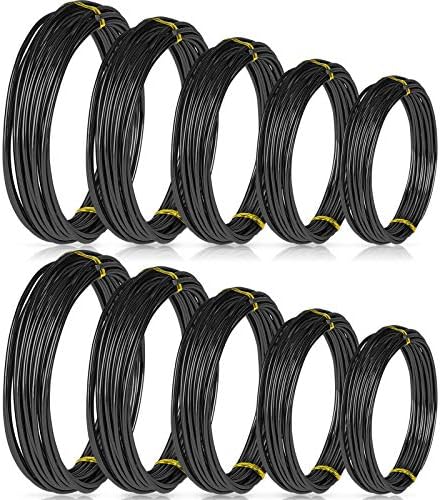
Best Beginner Bonsai Wire 2026: Aluminium Sets vs Wazakura Made-in-Japan Copper
Bonsai wire is how you actually shape a tree: you coil it around a branch, bend the branch where you want it, and the wire holds the new position until the wood sets. The one real decision is aluminium vs copper. Here are three picks you can buy on Amazon, two aluminium sets and a Made-in-Japan copper, and which to buy first.

Best Beginner Bonsai Wire Cutters 2026: Tinyroots vs KAKURI (Made in Japan)
Bonsai wire cutters do one job ordinary cutters can't, their narrow head snips training wire flush against a branch without nicking the bark. Here are three picks you can actually buy on Amazon, from a budget alloy cutter to a Made-in-Japan KAKURI, plus why you always cut wire off rather than unwind it.

Best Bonsai Soil (2026): Potting Compost Is What Kills Most Beginner Trees
Bonsai soil is barely soil. Pick up a handful of a good mix and it is gravel, fired clay and porous rock, with almost nothing you would recognise as compost. That looks wrong to anyone who grows houseplants, and it is the single biggest reason beginner trees die.

Best Aquarium Algae Scraper (2026): The Wrong Blade Ruins an Acrylic Tank
A steel blade on glass takes algae off and leaves nothing behind. The same blade on an acrylic tank cuts a permanent scratch on the first pass, and there is no undoing it. Which tank you own decides this purchase before anything else does.