Best Beginner Bonsai Wire 2026: Aluminium Sets vs Wazakura Made-in-Japan Copper
Bonsai wire is how you actually shape a tree: you coil it around a branch, bend the branch where you want it, and the wire holds the new position until the wood sets. The one real decision is aluminium vs copper. Here are three picks you can buy on Amazon, two aluminium sets and a Made-in-Japan copper, and which to buy first.
HobbyStack may earn a commission from links on this page at no extra cost to you. Our picks are chosen on merit; the commission helps fund the research.
- For most beginners, a 5-size anodized aluminium set (10 rolls, ~164 ft) (~$18) is the pick — enough gauges and enough wire to train several trees.
- On a budget, a 3-size aluminium starter set (~150 ft) (~$11) covers thin-to-medium branches — enough to wire one or two trees while you learn.
- Going further, Wazakura annealed copper (Made in Japan) (~$22 a roll) holds harder than aluminium and is what stylists use on conifers — stiffer, and you need less of it per branch.
- Aluminium vs copper is the whole decision. Start with aluminium — softer, easier to apply and remove, right for deciduous trees and beginners. Copper is stiffer, holds better, and is a later, conifer-focused upgrade.
- Skip: hardware-store galvanised or electrical wire (wrong temper, can damage bark); buying a single gauge (you need a range — wire must match branch thickness); reusing kinked wire (it won't hold).
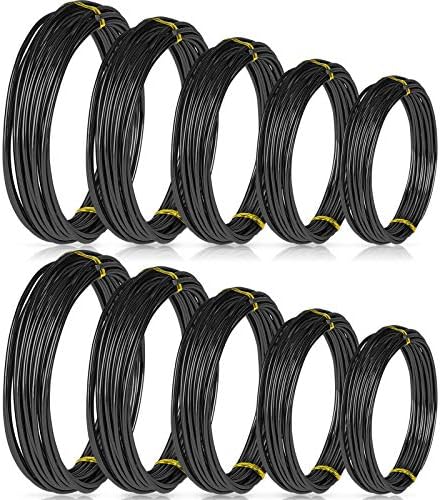 Our pickAnodized Aluminium Bonsai Wire — 5-Size Set, 10 Rolls (~164 ft)Most beginners$25Check price
 WZAEROUU 6-Roll Bonsai Wire KitStarting out$9Check price
 Wazakura Annealed Copper Bonsai WireConifers$30Check price
Aluminium or copper — and how to size it
Wiring is how a bonsai gets its shape: you coil wire along a branch, bend the branch to a new angle, and the wire holds it there for the months it takes the wood to set. Two things decide which wire to buy.
Aluminium vs copper. Anodized aluminium is the beginner standard — it's soft, easy to coil and remove, forgiving when you get it wrong, and ideal for the flexible branches of deciduous trees. Copper (annealed for workability) is stiffer and holds harder, so you need a thinner gauge for the same job, and it's the choice for conifers and serious styling — but it's harder to apply and unforgiving of mistakes. Start with aluminium; add copper later if you grow pines and junipers.
Gauge (thickness). Wire only holds if it's the right thickness for the branch — the rule of thumb is roughly one-third the branch's diameter, or you can double up a thinner wire. That's why you buy an assortment of gauges, not a single roll: a 1mm wire that bends a twig won't hold a finger-thick branch, and 4mm wire would crush a twig.
 Best for most beginners
Anodized Aluminium Bonsai Wire
The right amount of wire to actually train trees, not just try wiring once. This set spans five gauges (roughly 1–3mm) across 10 rolls, so you'll have the right thickness for everything from fine twigs to finger-thick branches, with enough wire to wire several trees through a season. Anodized aluminium is the beginner-friendly choice: soft enough to coil and remove easily, forgiving when you reposition, and dark-toned so it disappears against the bark. The pick if you've got more than one tree or you wire regularly. It's a generic import rather than a name brand, but anodized aluminium wire is a commodity — buy on gauge range and quantity, which this set has.
What's good
- Five gauges — the right thickness for any beginner branch
- 10 rolls (~164 ft) — enough to train several trees
- Anodized aluminium is soft, forgiving, easy to remove
- Dark finish blends into the bark
What's not
- More wire than someone with a single tree needs
- Aluminium holds less hard than copper on stiff conifers
- Generic import — wire is a commodity, so buy on gauge/quantity
 Best value wire
WZAEROUU 6-Roll Bonsai Wire Kit
Everything to start wiring, in one cheap kit. This WZAEROUU set includes six rolls of anodized aluminum training wire across the common gauges (roughly 1mm to 2mm) plus a small cutter, about 160 feet total, which is plenty to shape a few trees. Aluminum is the right wire for beginners: soft enough to bend by hand and reposition without damaging bark, and the dark anodized finish hides against the branch. Copper holds better on conifers, but for learning to wire and style, this covers it for almost nothing.
What's good
- Six gauges cover most beginner wiring
- Soft aluminum bends by hand, kind to bark
- Includes a cutter, about 160 feet total
- Dark anodized finish hides on the branch
What's not
- Aluminum holds less than copper on conifers
- Thin gauges run out fastest
 For conifers & serious styling
Wazakura Annealed Copper Bonsai Wire
What experienced stylists reach for on conifers. Wazakura's annealed copper is Made in Japan and significantly stiffer than aluminium — it holds a bend harder, so a thinner gauge does the same job, which keeps the wire less visible and lets it set stubborn pine and juniper branches that aluminium would struggle with. It's sold by the gauge on a roll, so buy the thickness that matches your branches (a thin 1.2mm for twigs up to heavier rolls for branches). Annealed copper also fades to a dull brown that blends into the bark. The trade-off: copper is harder to apply, less forgiving of repositioning, and work-hardens (so it's awkward to reuse). Not where a beginner should start, but the upgrade when you move into coniferous species or want professional-grade holding power — from a recognized Japanese brand.
What's good
- Made-in-Japan annealed copper — much stiffer, holds harder
- Thinner gauge does the same job (less visible)
- Fades to a dull brown that blends with the bark
- The professional choice for pines and junipers
What's not
- Harder to apply and far less forgiving than aluminium
- Sold by the gauge/roll — buy the thickness you need
- Work-hardens — awkward to reuse; overkill for deciduous trees
Wire only holds if it's thick enough: aim for roughly one-third the diameter of the branch you're bending (or wrap two thinner wires side by side for the same effect). Too thin and the branch springs back; too thick and you crush the bark. This is why you buy an assortment of gauges rather than one roll — you match the wire to each branch.
How to choose between the three
Pick the 5-size aluminium set if you have more than one tree or expect to wire regularly — the extra gauges and 10 rolls mean you won't run out mid-styling, and aluminium keeps it beginner-friendly.
Pick the 3-size aluminium starter if you're starting out with one or two trees and want the cheapest proper set. Three gauges of aluminium cover most beginner branches while you learn.
Pick the Wazakura copper if you're working conifers (pines, junipers) or want professional holding power and don't mind the steeper application learning curve. It's a deliberate step up, not a first purchase — and being Made-in-Japan annealed copper, it fades to match the bark.
For essentially every beginner the honest answer is aluminium first — start with one of the two aluminium sets, and only add copper when a stubborn conifer branch refuses to hold.
Before you buy
Start with aluminium. Softer, easier to apply and remove, and forgiving of the mistakes every beginner makes. Save copper for conifers later.
Buy a range of gauges, not one. Wire thickness must match branch thickness — a single gauge can't wire a whole tree.
Match wire to ~1/3 of the branch diameter (or double up a thinner wire). Too thin springs back; too thick crushes bark.
Apply at about 45°, firm enough to hold but not biting into the bark, and anchor the start so it doesn't slip.
Remove by cutting, not unwinding. Snip the wire off in sections with wire cutters — unwinding tears bark, especially as the branch thickens and the wire bites in.
Common questions about bonsai wire
Aluminium or copper bonsai wire — which should a beginner use?
What gauge of bonsai wire do I need?
How much wire do I actually need?
Can I reuse bonsai wire?
Can I use regular hardware-store wire?
How long does the wire stay on the tree?
For most beginners, the 5-size anodized aluminium set is the buy — every gauge you need and enough wire to train several trees. Just starting? A 3-size aluminium set is the cheap, no-regret start. Working conifers? Wazakura Made-in-Japan copper holds harder — but start on aluminium first.
Ready to actually do it?
The first bonsai quest takes an evening, and it tells you whether the gear was worth it better than any review can.
Start BonsaiThe HobbyStack editorial team researches each guide against manufacturer specifications, published resources and practitioner sources. Every product is checked for availability and described against its current listing before publication, and prices are re-checked when guides are updated.
About our editorial process →More gear guides
All guides
Best Beginner Bonsai Concave Cutter 2026: Stainless, Forged Alloy & KAKURI Made-in-Japan
The concave cutter is the tool that makes bonsai look like bonsai, it removes a branch with a hollow bite so the wound heals flush with the trunk instead of leaving a stub. Here are three beginner-friendly picks you can actually buy on Amazon, from an $18 stainless cutter to learn on to a Made-in-Japan KAKURI, plus when you actually need one.

Best Beginner Bonsai Shears 2026: Brussel's, Wazakura & Yasugi-Steel Picks
Bonsai pruning shears are the most-used tool in the hobby, you'll reach for them every time you touch a tree, so they're the one worth getting right first. Here are three genuinely good beginner picks you can actually buy on Amazon: a ~$20 pair from a trusted US nursery to learn on, a Made-in-Japan everyday pair, and a buy-it-once Yasugi-steel tool, plus how to choose the size and steel.

Best Beginner Bonsai Wire Cutters 2026: Tinyroots vs KAKURI (Made in Japan)
Bonsai wire cutters do one job ordinary cutters can't, their narrow head snips training wire flush against a branch without nicking the bark. Here are three picks you can actually buy on Amazon, from a budget alloy cutter to a Made-in-Japan KAKURI, plus why you always cut wire off rather than unwind it.

Best Bonsai Soil (2026): Potting Compost Is What Kills Most Beginner Trees
Bonsai soil is barely soil. Pick up a handful of a good mix and it is gravel, fired clay and porous rock, with almost nothing you would recognise as compost. That looks wrong to anyone who grows houseplants, and it is the single biggest reason beginner trees die.
Best Bonsai Tool Kit for Beginners (2026): Starter to Japanese-Made
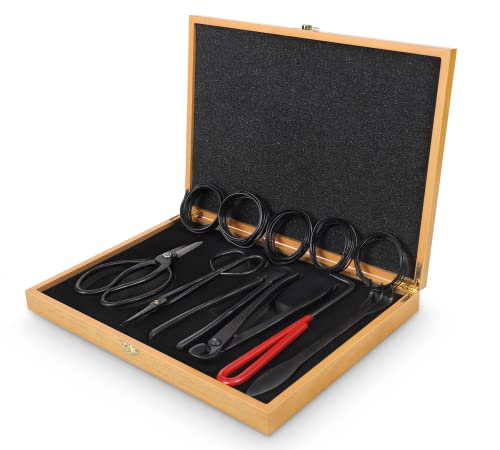
A bonsai tool kit bundles the few tools that actually shape a tree: sharp scissors for trimming, a concave cutter for removing branches cleanly, and wire plus a wire cutter for training. A kit gets you all of it in one box so you can start pruning properly instead of hacking at your tree with kitchen scissors. Here are three good ones, from a cheap complete starter set to a small set of superb Japanese-made tools.

Best Aquarium Algae Scraper (2026): The Wrong Blade Ruins an Acrylic Tank
A steel blade on glass takes algae off and leaves nothing behind. The same blade on an acrylic tank cuts a permanent scratch on the first pass, and there is no undoing it. Which tank you own decides this purchase before anything else does.