Best Fountain Pen Paper (2026): Feathering Is a Paper Problem, Not a Pen Problem
A new fountain pen that writes a furry, spreading line on office paper is not faulty. Copier paper is barely sized, so wet ink wicks along the fibres and spreads outward from the stroke. The same pen on properly sized paper lays a crisp line, and nothing about the pen changed.
HobbyStack may earn a commission from links on this page at no extra cost to you. Our picks are chosen on merit; the commission helps fund the research.
- Feathering is ink wicking along unsized fibres. It is the paper, not the nib.
- Sizing matters far more than weight. A well-sized 52gsm beats a cheap 100gsm.
- Good paper has longer dry times. That is the trade, and lefties feel it most.
- Ghosting is seeing writing through the sheet. Thin paper always ghosts.
- Bleed-through is ink reaching the far side. That is a real failure.


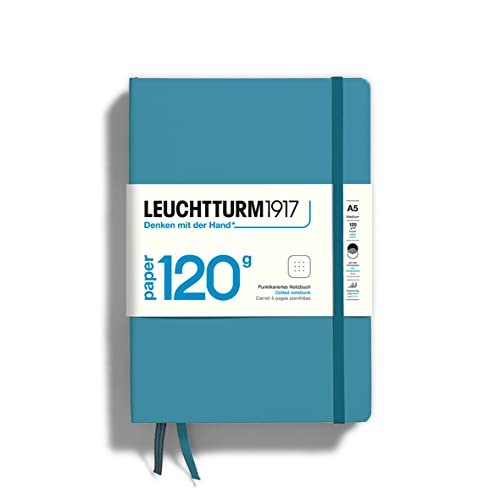
Sizing, and the four failure modes
Sizing is a treatment applied to paper that stops liquid soaking in. Copier paper has very little, because it is designed for toner, which is fused on top rather than absorbed. Fountain pen ink is a liquid sitting on the surface, so sizing is everything.
Four distinct things go wrong, and people use the words interchangeably when they should not:
Feathering. Ink wicks sideways along the fibres, so a thin line develops fuzzy spreading edges. This is poor sizing and it is the most common complaint.
Bleed-through. Ink soaks all the way through and appears as blots on the reverse. A genuine failure, and the sheet is unusable on both sides.
Ghosting, or show-through. You can see the writing from the other side without any ink having come through. This is a function of thinness, not quality, and it is why Tomoe River ghosts heavily despite being superb paper.
Dry time. Good paper does not absorb ink quickly, which is exactly why the line stays crisp, and it means the ink sits wet on the surface for longer. Rhodia and Tomoe River both take noticeably longer to dry than cheap paper does.
That last one is the real trade and there is no paper that avoids it. Left-handed writers who push their hand across what they have just written feel it most, and often prefer slightly more absorbent paper, accepting a little feathering for a much shorter dry time.
Weight, and what the numbers do not tell you
Weight is measured in gsm, grams per square metre, and it is the spec people reach for because it is printed on the pack. It is a poor predictor on its own.
Tomoe River is 52gsm, which is thinner than cheap copier paper, and it is one of the best fountain pen papers ever made: no feathering, almost no bleed, and it shows ink properties beautifully. Rhodia is 80gsm and excellent. Plenty of 100gsm papers feather badly.
What weight does predict is ghosting and page count. Heavy paper ghosts less and makes a thicker notebook for the same number of sheets. Thin paper ghosts more and lets a notebook hold hundreds of pages, which is exactly why Tomoe River became the standard for fat journals.
Then the thing good paper gives you that cheap paper cannot: ink behaviour.
- Shading is the variation in colour depth within a stroke, darker where ink pooled. Needs paper that lets ink sit on the surface.
- Sheen is a metallic secondary colour that appears where ink dried thickly. It only shows on very low-absorbency paper, and Tomoe River is famous for it.
- Shimmer comes from particles in the ink itself, and needs paper that does not absorb them into the fibres.
If you have bought interesting inks and they look flat and uniform, the paper is the reason.
Watch the ruling. Dot grid guides without boxing you in; graph suits drawing and layout; blank is for letters and sketching. Rhodia and Clairefontaine both print very fine, pale lines, which keeps them out of the way.
 Best for everyday writing
Rhodia Head Stapled Pad, No16 A5, Dot - Black
The default fountain pen paper, and the reason it holds that position is that 80gsm Clairefontaine-made stock takes a wet nib without feathering or bleeding while staying cheap enough to use for shopping lists. The dot grid guides without dominating the page, and the head-stapled A5 pad tears off cleanly. Dry times are longer than on cheap paper, which is the price of the crisp line and which left-handers notice.
What's good
- Takes a wet nib with no feathering at this price
- Dot grid guides without boxing you in
- 80gsm is thick enough to use both sides
- Cheap enough for everyday notes
What's not
- Longer dry times than absorbent paper
- Head-stapled pad is less durable than a bound book
- Shows less ink sheen than Tomoe River
- A5 only in this format
 Best for letters
Clairefontaine "Triomphe" Stationery Tablet, Blank, A5 (5.75" x 8.25")
Clairefontaine's letter-writing stock at 90gsm, blank, in a gummed tablet so sheets come away with a clean edge. It is smoother and slightly heavier than the Rhodia, which suits a flowing hand and means almost no ghosting even with a broad wet nib. Blank is the right choice for correspondence, where ruling looks wrong. The extra weight and the lack of a guide make it less useful as a general notes pad.
What's good
- 90gsm means almost no ghosting even with broad nibs
- Very smooth surface suits a flowing hand
- Blank, which is correct for letters
- Gummed tablet gives a clean torn edge
What's not
- Blank is unhelpful for notes and lists
- Dearer per sheet than the Rhodia pad
- Smooth surface gives less nib feedback
- Still has the long dry times of good paper
 Best for ink shading and sheen
Sakae Technical Paper Tomoe River FP Notebook, A5, 5mm Squared (SR-A5NB-HW)
Tomoe River is the paper fountain pen users talk about, and at 52gsm it is thinner than copier paper while feathering less than almost anything. Its very low absorbency is what lets ink sit and dry on the surface, which is the only way shading, sheen and shimmer actually show. A 5mm grid in A5. The two costs are real: it ghosts heavily because it is so thin, and dry times are the longest here.
What's good
- Shows ink shading, sheen and shimmer properly
- No feathering despite being thinner than copier paper
- Very high page count for the thickness
- The reference paper for ink enthusiasts
What's not
- Ghosts heavily because it is only 52gsm
- Longest dry times of anything here
- Thin sheets feel fragile and crinkle
- Dearest per sheet
The property that keeps a line crisp is low absorbency, and low absorbency means the ink sits wet on the surface for longer. There is no paper that gives you a sharp line and a fast dry. Left-handed writers who drag a hand across fresh writing suffer most, and the honest answer is either a drier-writing fine nib, a quicker-drying ink, or slightly more absorbent paper with a little feathering accepted. Blotting paper also still exists.
Matching paper to pen and ink
Wet, broad nibs need the best paper. A broad italic laying down a lot of ink will feather on paper a fine nib handles happily. If you only own fine nibs, cheaper paper goes further than people claim.
Test before you commit to a notebook. Write your usual pen and ink on a single sheet, then check the reverse. A notebook that bleeds is 200 pages of disappointment.
Ink matters as much as paper. Some inks are notoriously wet and feather on paper that handles others fine, and some are formulated to dry quickly. If one ink misbehaves everywhere, it is the ink.
Watch out for coated and glossy stock. Anything shiny repels fountain pen ink entirely and it will smear for minutes or never dry.
Keep paper flat and dry. Humidity changes how paper takes ink, and a pad that has absorbed moisture feathers more than the same pad did last month.
Use both sides deliberately. On 80gsm and up, writing both sides is fine. On Tomoe River it is possible and the ghosting is heavy, so plenty of people use one side only and accept it.
Keep a cheap pad too. Not everything deserves good paper, and reserving it for things worth keeping means you actually use it rather than saving it.
Before you buy
Judge sizing, not weight. A good 52gsm beats a bad 100gsm.
Expect longer dry times from anything that does not feather.
Broad wet nibs need better paper than fine nibs do.
Test a sheet and check the reverse before buying a notebook.
Dot grid for notes, blank for letters, grid for drawing.
Fountain pen paper questions
Why does my fountain pen feather on normal paper?
Does paper weight tell me if it is good?
What is the difference between ghosting and bleed-through?
Why does good paper take so long to dry?
Buy a Rhodia pad. It takes a wet nib without feathering, costs little enough to use for shopping lists, and will immediately show you that your pen was never the problem. Move to Clairefontaine Triomphe for letters, where blank 90gsm is the right stock. Get a Tomoe River notebook once you own inks with shading or sheen, because nothing else will show them. And expect to wait for it to dry.
Ready to actually do it?
The first fountain pens quest takes an evening, and it tells you whether the gear was worth it better than any review can.
Start Fountain PensThe HobbyStack editorial team researches each guide using practitioner communities, published resources, and direct input from active hobbyists. Every guide is reviewed for accuracy before publication and updated when practices change.
About our editorial process →More gear guides
All guides
Best Beginner Fountain Pen (2026): A Japanese Fine Is Not a European Fine
The most common first disappointment with a fountain pen is a line that comes out narrower than expected, and it is not a fault. Japanese nibs are ground finer than European ones at the same letter, so a Pilot Fine is roughly a Lamy Extra Fine. Knowing that before you order decides whether the pen feels right.

Best Fountain Pen Ink (2026): Almost Everything Is Safe, and a Few Things Are Not
The pleasant surprise about fountain pen ink is that a bottle costs less than a decent lunch and lasts a year or more, so this is a hobby where experimenting is genuinely cheap. The unpleasant surprise is that two categories of ink will wreck a pen permanently, and one of them is sold in the same shop aisle.

Best Coin Collecting Books (2026): Learn to Grade Before You Learn Prices
A coin price guide is useless until you can grade. The same 1909 cent might be worth a few dollars or several thousand depending on condition, and every figure in every price book is quoted per grade. Learning to read the prices before you can judge the coin is how people overpay confidently.
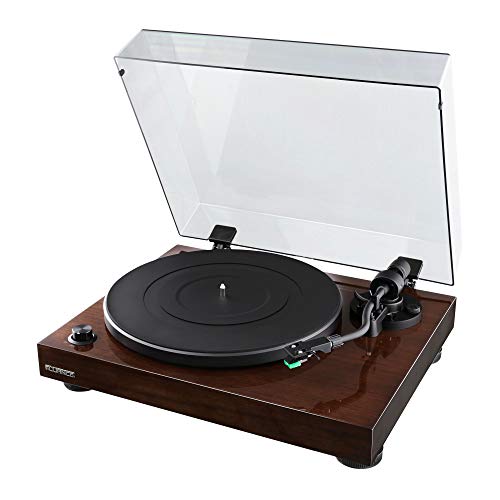
Best Beginner Turntable (2026): 3 Picks That Won’t Wreck Your Records
The cute all-in-one suitcase players are exactly what you should not buy, their heavy tonearms and cheap needles quietly grind down the records you are paying for. A real beginner turntable protects your vinyl and sounds dramatically better. Here are three that do it right, from a true budget pick to an audiophile deck.

Best Phono Preamp (2026): A Cartridge Puts Out a Thousandth of Line Level
Plug a turntable straight into a normal input and you get something thin, quiet and strangely trebly. That is not a fault. A cartridge outputs a few thousandths of a volt against the one or two volts a line input expects, and records are deliberately cut with the bass reduced, so something has to put both back.
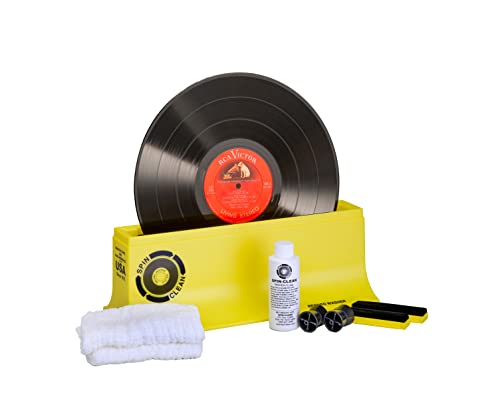
Best Record Cleaning Kit for Beginners (2026): 3 Real Picks
Clean records sound better and last longer, full stop: dust and grime in the grooves cause the crackle and pop people blame on vinyl itself, and they grind against your stylus over time. The question is how deep you want to go. A simple brush-and-fluid kit handles everyday dust; a wet-bath washer deep-cleans thrift finds and neglected records; a cleaning machine does it fastest and best. Here are three good options across the range, plus the one habit that matters more than any of them.