Best Beginner Fountain Pen (2026): A Japanese Fine Is Not a European Fine
The most common first disappointment with a fountain pen is a line that comes out narrower than expected, and it is not a fault. Japanese nibs are ground finer than European ones at the same letter, so a Pilot Fine is roughly a Lamy Extra Fine. Knowing that before you order decides whether the pen feels right.
HobbyStack may earn a commission from links on this page at no extra cost to you. Our picks are chosen on merit; the commission helps fund the research.
- Japanese nibs run about one width finer than European. A Pilot F is close to a Lamy EF.
- Buy a Medium if you like a wet, expressive line. Fine if you write small or on cheap paper.
- Cartridges are convenient. A converter lets you use bottled ink, which is where the fun is.
- Hold it at about 45 degrees with the nib slot facing up, and do not press.
- Paper matters as much as the pen. Cheap copier paper feathers whatever you write with.
 Pilot Varsity, 6 packTrying one at all$15Check price
 Our pickPilot MetropolitanMost people$27Check price
 Lamy AL-starA pen to keep$37Check price
Nib widths, and the Japanese-European gap
Nib letters are not a standard. They are each maker's own description, and there is a consistent regional difference.
Japanese nibs — Pilot, Sailor, Platinum — are ground finer, because Japanese writing needs fine strokes to keep small complex characters legible.
European nibs — Lamy, Kaweco, Faber-Castell — run broader at the same letter.
Roughly: a Japanese Fine is close to a European Extra Fine, and a Japanese Medium is close to a European Fine. One step, consistently.
So the ladder on this page crosses that line. The Pilot Metropolitan here is a Japanese Fine, which will lay down a genuinely fine line. The Lamy AL-star is a European Medium, which is noticeably broader and wetter.
Which you want depends on two things. How small you write — fine nibs suit small handwriting and annotations. And what paper you use — a broad wet nib on cheap office paper feathers and bleeds, while a fine nib survives it.
If you want to see shading and sheen in your ink, go broader. If you want a pen for everyday notes, go finer.
Cartridges, converters and how to fill
Three filling systems, and the choice decides whether you can use bottled ink.
Cartridges are sealed plastic tubes you push onto the nib section. Clean, convenient, and you are limited to the colours your pen's maker sells — and to proprietary fittings, since most makers use their own shape. Lamy cartridges do not fit a Pilot.
Converters are refillable cartridges with a piston. They fit the same slot, and they let you use any bottled ink, which is where the range and the interest is. Both the Metropolitan and the AL-star take a converter, and the Metropolitan usually ships with one.
Piston fillers build the mechanism into the barrel. They hold more ink and cannot use cartridges at all.
International standard cartridges fit many European pens, which is worth knowing because it opens up third-party inks. Pilot and most Japanese makers use proprietary sizes.
Almost everyone starts on cartridges and moves to a converter within a few months, because bottled ink is cheaper per millilitre and comes in hundreds of colours rather than four.
 Best for trying one at all
Pilot Varsity Disposable Fountain Pens
Disposable, six to a pack, and the honest reason to buy them is to find out whether you like writing with a fountain pen before spending anything. They write genuinely well for what they are — a real nib and a real feed rather than a felt tip — so the experience is representative. Medium point. You cannot refill them, you cannot change the ink, and they go in the bin when empty.
What's good
- A real nib and feed, so the experience is genuine
- Six pens for the price of a coffee
- Nothing to maintain, clean or fill
- Fine to lose or lend
What's not
- Disposable — no refilling and no ink choice
- Medium only
- Plastic body with no lasting appeal
- Wasteful if you keep buying them
 Best for most people
PILOT Metropolitan Collection Fountain Pen
The near-universal answer to "what should my first proper fountain pen be". A brass barrel with stainless accents gives it real weight and balance, which is most of why it feels like a considerably dearer pen than it is. The Japanese Fine nib is smooth and genuinely fine — closer to a European Extra Fine — so it suits small handwriting and survives cheap paper. Takes a converter for bottled ink.
What's good
- Brass barrel gives it weight and balance
- Smooth Japanese Fine nib, reliable out of the box
- Fine line survives cheap office paper
- Takes a converter for bottled ink
What's not
- Japanese Fine is finer than most people expect
- Plain design compared to the Lamy
- Round barrel offers no grip guidance
- Nib is not swappable
 Best pen to keep
LAMY AL-star graphite - Fountain Pen
The aluminium version of Lamy's design classic: light, durable, and with the moulded triangular grip that puts your fingers in the correct position without you thinking about it — genuinely useful while you are learning to hold a pen at the right angle. The steel nib is a European Medium, so it lays a broader, wetter line than the Pilot. Lamy nibs are also swappable, so you can change width later for a few pounds.
What's good
- Moulded grip teaches the correct hold
- Swappable nibs — change width cheaply later
- Aluminium body is light and very durable
- A genuine design classic that holds value
What's not
- Triangular grip does not suit every hand
- European Medium is much broader than the Pilot Fine
- Converter usually sold separately
- Proprietary Lamy cartridges
A fountain pen writes under its own weight. Pressing is a habit from ballpoints, which need force to roll, and on a fountain pen it spreads the tines, floods the line and eventually springs the nib permanently. Hold it at about 45 degrees with the slot in the nib facing up, and let it glide. People who say fountain pens are scratchy are almost always pressing.
Looking after it, which is mostly flushing
Fountain pens are simple machines and they fail in one way: dried ink in the feed.
Flush when you change ink, and every month or two regardless. Run cool water through the section until it comes out clear, then leave it nib-down on kitchen paper to dry. Never hot water, which can loosen adhesives and craze plastic.
A stubborn pen benefits from soaking the nib section overnight in cool water with a drop of washing-up liquid.
Store it nib-up if it is going to sit unused for weeks, so ink drains back rather than drying in the feed. For long storage, empty and flush it first.
Cap it every time. An uncapped fountain pen dries out in minutes, and that is the most common reason a pen stops working mid-session.
Do not fly with it full if you can help it, or fly with it completely full rather than half — a partly full barrel has air that expands at altitude and pushes ink out. Cap up, nib up.
Before you buy
Japanese nibs run a step finer than European. Account for it when choosing a width.
Fine for small handwriting and cheap paper. Medium to see ink shading.
Check whether a converter is included if you want bottled ink.
Hold at 45 degrees, slot up, and never press.
Cap it every time you put it down.
Fountain pen questions
What nib width should a beginner buy?
What's the difference between a cartridge and a converter?
Why does my fountain pen feel scratchy?
How often should I clean a fountain pen?
The Pilot Metropolitan is the near-universal first proper fountain pen and deserves it: a brass barrel that feels far dearer than it is, a reliably smooth nib, and a converter option for bottled ink. Buy a pack of Varsitys first if you have never used a fountain pen and want to find out cheaply. The Lamy AL-star is the one to keep, with a grip that teaches the correct hold and nibs you can swap. Remember the Pilot Fine is finer than the Lamy Medium.
Ready to actually do it?
The first fountain pens quest takes an evening, and it tells you whether the gear was worth it better than any review can.
Start Fountain PensThe HobbyStack editorial team researches each guide against manufacturer specifications, published resources and practitioner sources. Every product is checked for availability and described against its current listing before publication, and prices are re-checked when guides are updated.
About our editorial process →More gear guides
All guides
Best Fountain Pen Ink (2026): Almost Everything Is Safe, and a Few Things Are Not
The pleasant surprise about fountain pen ink is that a bottle costs less than a decent lunch and lasts a year or more, so this is a hobby where experimenting is genuinely cheap. The unpleasant surprise is that two categories of ink will wreck a pen permanently, and one of them is sold in the same shop aisle.

Best Fountain Pen Paper (2026): Feathering Is a Paper Problem, Not a Pen Problem
A new fountain pen that writes a furry, spreading line on office paper is not faulty. Copier paper is barely sized, so wet ink wicks along the fibres and spreads outward from the stroke. The same pen on properly sized paper lays a crisp line, and nothing about the pen changed.

Best Coin Collecting Books (2026): Learn to Grade Before You Learn Prices
A coin price guide is useless until you can grade. The same 1909 cent might be worth a few dollars or several thousand depending on condition, and every figure in every price book is quoted per grade. Learning to read the prices before you can judge the coin is how people overpay confidently.
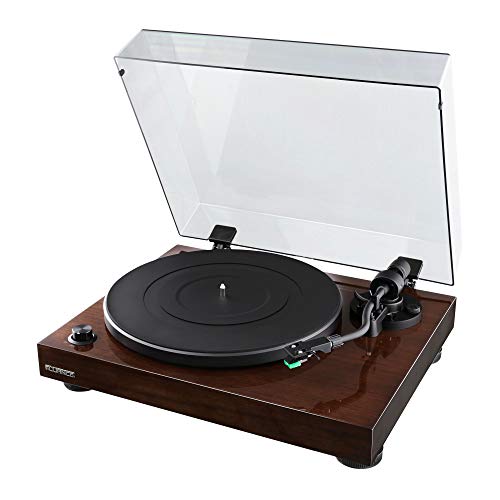
Best Beginner Turntable (2026): 3 Picks That Won’t Wreck Your Records
The cute all-in-one suitcase players are exactly what you should not buy, their heavy tonearms and cheap needles quietly grind down the records you are paying for. A real beginner turntable protects your vinyl and sounds dramatically better. Here are three that do it right, from a true budget pick to an audiophile deck.

Best Phono Preamp (2026): A Cartridge Puts Out a Thousandth of Line Level
Plug a turntable straight into a normal input and you get something thin, quiet and strangely trebly. That is not a fault. A cartridge outputs a few thousandths of a volt against the one or two volts a line input expects, and records are deliberately cut with the bass reduced, so something has to put both back.
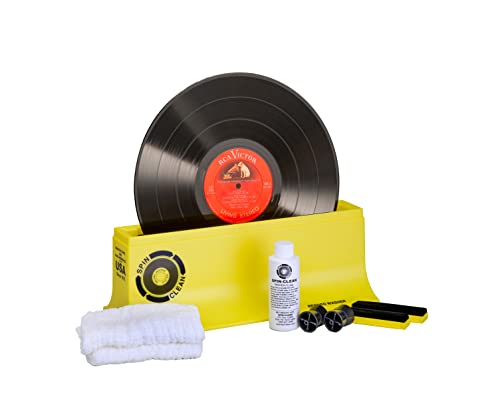
Best Record Cleaning Kit for Beginners (2026): 3 Real Picks
Clean records sound better and last longer, full stop: dust and grime in the grooves cause the crackle and pop people blame on vinyl itself, and they grind against your stylus over time. The question is how deep you want to go. A simple brush-and-fluid kit handles everyday dust; a wet-bath washer deep-cleans thrift finds and neglected records; a cleaning machine does it fastest and best. Here are three good options across the range, plus the one habit that matters more than any of them.