Best Gateway Board Games for Beginners (2026): 3 to Start With
Here is the honest truth: you do not need all three of these, any one of them is enough to get a good game night going. Gateway games are the ones built to win over people who think they do not like board games, the friends and family who groan at the word Monopoly. They teach in about five minutes, finish in under an hour, and leave everyone wanting another round. What they are not is Monopoly, Risk, or Trivial Pursuit, the long, luck-heavy, knock-you-out games most of us grew up quietly dreading. This guide is three different games at rising price and complexity, not three versions of one thing. Start with an easy, gorgeous crowd-pleaser, move to the classic that got a generation into the hobby, and step up to a richer game once your table is hooked. Buy one, get it played a few times, and add another only when your group is asking for more. Here are three good ones, and honest advice on where to start.
HobbyStack may earn a commission from links on this page at no extra cost to you. Our picks are chosen on merit; the commission helps fund the research.
- You do not need all three of these. Any one of them gets a good game night going, so pick the one that fits your group, get it to the table, and only add another when people are asking for more.
- Gateway games are made to win over people who think they hate board games: they teach in about five minutes, finish in under an hour, and are fun even when you lose. They are the opposite of Monopoly.
- Going up the ladder buys more depth and a bit more table time, not more fun. Azul is light and fast, Catan is the classic middle with trading and building, and Wingspan is a richer step up for a group that is hooked.
- Match the game to your crowd, not to its ranking online. A light game that actually gets played beats a clever one that stays in the box, so be honest about who is coming to the table.
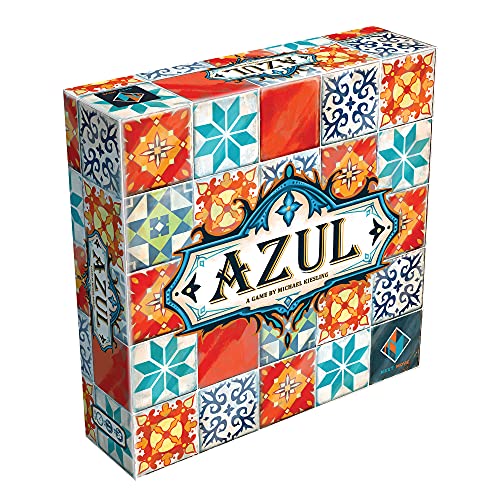 Azul Board GameAn easy, gorgeous crowd-pleaser to start$32Check price
 Our pickCATAN Board Game (6th Edition)The classic gateway for a regular group$40Check price
 Wingspan Board GameA richer step up once your table is hooked$55Check price
Start with the honest question: which of these should you buy first? For most groups, whichever one you will actually get to the table. The whole point of a gateway game is that it is easy to teach and fun for people who do not think of themselves as board gamers, so the best one is the one your crowd will say yes to. Azul is the safest opening move: it looks gorgeous set up, the rules take about five minutes, and it works with anyone from grandparents to kids. Catan is the classic for a reason, it adds trading and a bit of light strategy and turns a group into a proper game night, though it needs three people to shine. Wingspan is the beautiful step up, a calm bird-collecting game for a group that has caught the bug and wants a little more to sink into.
So match the game to your table rather than buying up the ladder for its own sake. If you mostly want something quick, pretty, and impossible to dislike, start and maybe stop with Azul, plenty of happy game nights never need anything heavier. If you have a regular group of three or four and want the game that defined the whole gateway idea, Catan is the one to own, the classic that gets people trading, laughing, and blocking each other's roads. And if your table already loves a game night and wants more to think about, Wingspan rewards that without ever feeling like homework. You do not climb this ladder in order, and you certainly do not need all three, most groups are set for a year on any single one of these. Buy the one that fits the people you play with, and add another only when they ask.
 Best to start with
Azul Board Game
The easiest one to reach for when you just want people around a table, and honestly plenty of game nights never need anything else. Azul is a tile-laying game where you draft chunky, colourful tiles and lay them to build a mosaic, and its trick is that the rules take about five minutes to explain but every game still makes you think. It plays two to four, runs 30 to 45 minutes, and looks genuinely beautiful set up, which does a lot of quiet work in getting reluctant people to sit down. It won the Spiel des Jahres, the biggest game-of-the-year award, in 2018, and it has been a go-to recommendation ever since. The catch is that it is a quieter, more thoughtful game than a loud party game, there is no trading or table talk built in, so a rowdy crowd after chaos may want something bouncier. But as a first game that almost nobody dislikes, that packs down small, and that you will keep pulling out for years, it is very hard to beat. If you only buy one, this is the safe one.
What's good
- Teaches in about five minutes and plays in 30 to 45 minutes
- Gorgeous on the table, which helps win over reluctant players
- Works with almost anyone, from young kids to grandparents
- Won the 2018 Spiel des Jahres, the top game-of-the-year award
What's not
- Quieter and more thoughtful, not a loud party game
- No trading or team play, so a chaos-loving crowd may want more
 Best for most groups
CATAN Board Game (6th Edition)
The one most people picture when they think about getting into board games, and the game that turned a whole generation into hobbyists. In Catan you collect and trade resources, wood, brick, wheat and the rest, then spend them building roads, settlements, and cities across an island until someone reaches ten points. What makes it the classic gateway is the trading: you are constantly wheeling and dealing with the other players, which pulls a quiet table into a proper, chatty game night. This is the current 6th edition, refreshed in 2025 with clearer rules and nicer art, but the game underneath is the same one people have loved for thirty years. Two honest caveats. It really wants three or four players, it does not work as a two-player game out of the box, and the dice mean luck plays a part, so a bad run of rolls can leave you short of resources. Neither stops it being the gateway most groups should own. If you have a regular crew and want the game that reliably becomes game night, this is it.
What's good
- The classic gateway; trading and dealing turns a group into a real game night
- Deep enough to replay for years, simple enough to teach in one go
- Current 6th edition has clearer rules and refreshed art
- Huge community and endless expansions when you want more
What's not
- Needs three or four players; no two-player mode out of the box
- Dice-driven, so luck and the odd bad roll are part of it
 Best step up
Wingspan Board Game
The one to reach for once your table already loves a game night and wants a little more to chew on. Wingspan is an engine-builder, which sounds technical but plays gently: you play beautiful bird cards into three habitats, each bird gives you a small power, and every turn you are building a chain of birds that do more and more for you. It is calm, quiet, and lovely to look at, closer to tending a garden than fighting a war, and it comes with a genuinely good solo mode, so it earns its shelf space even when nobody else is around. It plays one to five and runs about 40 to 70 minutes once everyone knows it. The honest caveats: there is more to learn than Azul or Catan, the first game is slower while people read their cards, and it is the priciest of the three. So it is not where a nervous beginner should start. But for a group that is already hooked and wants depth without stress, it is about as good as a step-up gateway gets.
What's good
- A richer engine-builder that still teaches without stress
- Stunning art and components, a joy to have on the table
- Excellent built-in solo mode for playing on your own
- Calm and low-conflict, nobody gets knocked out or picked on
What's not
- More to learn, and a slower first game than Azul or Catan
- The most expensive of the three
It is easy to read a list like this and feel you should buy the whole ladder. You really should not. Any one of these three will get a good game night going, and most groups are happily set for a year on a single game. The trick with board games is not owning the perfect collection, it is getting the same game to the table often enough that everyone learns it and asks to play again. So pick the one that fits your crowd, Azul if you want easy and pretty, Catan if you have a regular group, Wingspan if your table already loves gaming, and give it a few honest outings before you even think about a second. A shelf of half-learned games is the thing to avoid, not the goal.
Which to buy: want something quick, gorgeous, and impossible to dislike, or buying for a mixed group of all ages? Azul. Have a regular crew of three or four and want the classic that becomes your game night? Catan. Already love a game night and want something richer to sink into? Wingspan. And remember you do not need all three, any one of them is a full game night on its own, so start with the one that fits the people you actually play with.
Before you buy
Learn the rules before game night, not at the table. Watch a five-minute how-to-play video first so you can teach it confidently, nothing kills a new game faster than someone reading the rulebook aloud while everyone waits.
Play the first game as a practice round. Tell everyone the first one is just to learn, keep hands open, give advice freely, and do not sweat the score. People relax and enjoy it far more when the pressure is off.
Match the game to who is coming. A lighter game everyone happily plays beats a cleverer one half the table finds fiddly, so be honest about your group before you pick.
Get one game to the table three or four times before buying another. A game only gets good once people know it, and a shelf of half-learned games is how the hobby stalls, so go deep before you go wide.
Once you start looking, you will find board game rankings and forums pushing heavier, cleverer games, and it is tempting to think a higher-ranked game is a better buy. For a beginner group it usually is not. The best game for your table is the one people will actually sit down and play, and that is almost always a lighter one than the internet's favourites. Complexity is not the same as fun, and a brilliant game that intimidates half your group just stays in the box. Start light, let the group's appetite grow on its own, and step up only when people are genuinely asking for more. There is no prize for owning hard games.
Beginner gateway board game questions
What is a gateway board game?
Do I need to buy all three?
Which one should I start with?
Are these good for families and kids?
How many players do I need?
What about Monopoly, Risk, and the games I already know?
For most people, start with Azul: it teaches in five minutes, looks beautiful, plays fast, and almost nobody dislikes it, which makes it the safest first game for a mixed group. If you already have a regular crew of three or four, Catan is the classic gateway that reliably becomes your game night, with trading, building, and a bit of friendly blocking. And once your table is hooked and wants more to think about, Wingspan is the gorgeous, low-stress step up. But the real point is this: you do not need all three. Any one of them gets game night going, so buy the one that fits your crowd and get it to the table.
Ready to actually do it?
The first board games quest takes an evening, and it tells you whether the gear was worth it better than any review can.
Start Board GamesThe HobbyStack editorial team researches each guide against manufacturer specifications, published resources and practitioner sources. Every product is checked for availability and described against its current listing before publication, and prices are re-checked when guides are updated.
About our editorial process →More gear guides
All guides
Best Cooperative Board Games (2026): Playing With the Table, Not Against It
Cooperative games are the easiest way into board games with people who do not think they like board games, because nobody gets knocked out and nobody has to be the one who ruins a friendship over a trade. They also have one specific failure mode that no box warns you about: the loudest player quietly starts telling everyone else what to do.

Best UV Flashlight (2026): 365nm Beats 395nm and Costs More
Nearly every cheap UV torch is 395nm, and nearly every good one is 365nm. The difference is not brightness — it is how much visible purple light comes out alongside the ultraviolet. That purple glare washes over faint fluorescence, which is exactly the thing you bought a UV light to see.

Best Poker Chip Set for Beginners (2026): 3 Sets for Every Home Game
A proper chip set is what turns a card game into poker night, and the thing that separates a cheap set from a great one is the weight and feel of the chips. A 500-count set covers a full table, and heavier clay-composite chips just feel like the real thing. Here are three good sets, from a light-but-complete starter to a casino-grade box.

Best Beginner Chess Sets (2026): 3 Real Picks
A tournament-style set is the right first chess set: standard-size Staunton pieces, weighted so they don't tip, on a board with 2.25 inch squares. Skip the decorative themed sets for now. The one real decision is vinyl (cheap, portable, what clubs actually use) versus wood (nicer to own, costs more). Everything below is a set people genuinely buy and play on.
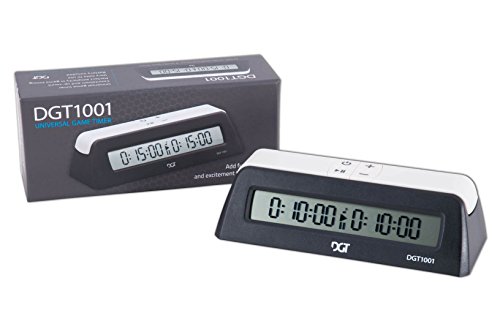
Best Chess Clock (2026): Delay, Increment and Why It Matters
A chess clock changes the game more than any other piece of equipment, because it turns thinking time into a resource you can run out of. The part beginners rarely have explained is that not all timed chess is the same: delay and increment are different rules that produce very different endgames, and the clock you buy determines which ones you can play.

Best Go Books (2026): Beginners Want Joseki and Need Life and Death
Every beginner reaches for a book of joseki, the memorised corner sequences, because they look like the secret. They are not. Strength at Go comes from reading life and death and recognising good shape, and a player who has memorised openings without those will play twenty moves of professional theory and then lose the group.