Best Origami Paper for Beginners (2026): 3 Honest Picks
Here is the honest truth most gear guides skip: the cheap pack of kami paper is genuinely all you need to learn origami, and it is what almost everyone folds their first hundred cranes on. Nicer paper does not make your folds sharper, that comes from practice, it just makes the finished model look and feel a bit nicer. Every beginner tutorial and video assumes plain 6 inch kami, coloured on one side and white on the back, so that is what you should start with, and honestly you could stop there and be happy for years. What you are really choosing between here is the finished look: a basic pack to learn on, a bigger better-value pack with colour on both sides, or proper Japanese washi for models you want to keep or give away. All three are standard 6 inch squares, the size nearly every guide is built around, so you can follow along with whatever you buy. Here are three good ones, and honest advice on why the cheapest is all you actually need to begin.
HobbyStack may earn a commission from links on this page at no extra cost to you. Our picks are chosen on merit; the commission helps fund the research.
- Cheap kami paper is genuinely all you need to learn origami. A basic pack of 6 inch, coloured-one-side sheets is what almost everyone starts on, and what every beginner tutorial is built around. Nicer paper is about the finished look, not your ability to fold.
- For most people the sweet spot is the Tuttle 500-sheet Vibrant Colors pack: loads of sheets so you can practise without worrying about waste, colour on both sides, and crisp, reliable folds, all for around thirteen dollars.
- Going up the range buys you a nicer finish, not easier folding. Budget gets you plain kami to learn on, the recommended pack adds sheets and both-sided colour, and premium washi adds a handmade texture for models you want to display or give away.
- Stick to standard 6 inch (15 cm) squares to start, since that is the size nearly every tutorial assumes. Buy a big cheap pack and fold the same model ten times, the paper is not what is holding your cranes back, practice is.
 Taro's Origami Studio Standard Kami (200 Sheets)Learning to fold for the least money$12Check price
 Our pickTuttle Origami Paper 500 Sheets, Vibrant ColorsThe pack most beginners should buy$12Check price
 Taro's Origami Studio Washi Paper (100 Sheets)A nicer finish on models you want to keep$17Check price
Start with the honest question: do you need special paper to fold origami? No. A cheap pack of kami, the thin, coloured-one-side squares you have seen in every classroom, holds a crease beautifully and is exactly what beginner models are designed for. Buy a few hundred sheets for a few dollars and you can fold the same crane twenty times until it clicks, without ever worrying about wasting the good stuff. What nicer paper gives you is not easier folding, it is a nicer result: colour on both sides so the back of your model looks finished too, a bigger pack so you never run low, or a textured washi that turns a simple flower into something you would actually put on a shelf. That is worth paying for once you know you love folding. It is not worth paying for on day one.
So match the paper to where you are. If you are brand new and just want to learn, the basic Taro's kami is plain, cheap, and does everything a beginner model asks of it, colour on one side and white on the back, just like the tutorials show. Once you know you are hooked, the Tuttle 500-sheet pack is the easy pick for most people: far more sheets for a little more money, colour on both sides so your cranes and boxes look good from every angle, and a small booklet of projects to fold along with. And when you want a finished piece to keep or give away, real Japanese washi has a soft, handmade texture that makes even a simple model feel special. Most beginners never need to go past the Tuttle pack, and there is no shame at all in learning on the cheapest kami you can find, that is the whole point of it.
 Best budget paper
Taro's Origami Studio Standard Kami (200 Sheets)
The cheapest sensible way to start, and genuinely all the paper a beginner needs. Taro's Standard kami is the plain stuff every tutorial is built around: thin (around 60gsm), coloured on one side with a white back, and machine cut into a clean 6 inch square so your first folds line up instead of drifting. You get 200 sheets in 23 colours, with a gold and a silver thrown in, which is plenty to fold the same crane over and over until it finally clicks. It takes a sharp crease and folds crisply, which is all a beginner model asks for, and at this price you never feel bad about a sheet that goes wrong. The catches are honest ones: the back is white, so models that show their reverse look a little unfinished, and being thin it is not built for heavy wet-folding or very complex designs with lots of layers. None of that matters while you are learning. This is the low-risk, low-cost place to begin, and plenty of people happily fold on nothing else for years. If you are not sure origami will stick, start here.
What's good
- Cheap enough that you never worry about wasting a sheet
- 200 sheets in 23 colours, plenty to practise on
- Clean, machine-cut squares so your folds line up
- Exactly the plain kami beginner tutorials are built around
What's not
- White on the back, so a model's reverse looks unfinished
- Thin paper, not for wet-folding or very complex models
 Best for most people
Tuttle Origami Paper 500 Sheets, Vibrant Colors
The one most people should buy once they know they enjoy folding, and the best value on this list by a mile. The Tuttle 500-sheet pack gives you ten times the paper of a small pack for only a few dollars more, so you can fold freely, practise a tricky step over and over, and not care about the ones that go wrong. The sheets are a good weight for beginners, take a clean crease, and come in 12 bright, cheerful colours. The nice touch is that they are coloured on both sides with a coordinating shade on the back, so cranes, stars, and boxes look finished from every angle instead of flashing white. A small booklet of projects is tucked in to fold along with. The only honest catch is that both-sided colour means there is no plain white back, so the occasional tutorial that says 'white side up' takes a second to translate. That is a tiny thing. For the money, this is the pack that keeps you folding, and it is the one to get if you buy just one.
What's good
- 500 sheets for around thirteen dollars, superb value
- Colour on both sides, so models look finished all round
- Bright, even colours that take a clean crease
- Includes a small booklet of beginner projects
What's not
- No plain white back, so 'white side up' steps need translating
- Solid colours only, no patterns or metallics in this pack
 Best for a nice finish
Taro's Origami Studio Washi Paper (100 Sheets)
This is the treat, and it is honestly a want, not a need. Taro's washi is real traditional Japanese paper made in Ogawa-machi, a town whose papermaking is recognised by UNESCO, and you can feel the difference the moment you pick up a sheet: it is textured and slightly fabric-like, with long fibres that make it stronger than ordinary paper. That texture is the whole point. It turns a simple folded flower or little animal into something that looks handmade and special rather than like a school project, which is why people reach for it when they want a piece to keep, frame, or give away. It is also treated to hold up to wet-folding, if you get that far. What you are paying for is the look and feel, not easier folding, and at 100 sheets for around eighteen dollars it costs far more per sheet than a learning pack. The soft texture can even make very sharp, thin points a touch harder than crisp kami. So buy it for the finish on models you care about, not to learn on. For everyday practice, the cheap kami is still the right call.
What's good
- Real washi with a lovely handmade texture and feel
- Makes simple flowers and animals look special
- Strong long fibres, and holds up to wet-folding
- Made in Japan in a UNESCO-recognised papermaking town
What's not
- Far pricier per sheet, and only 100 sheets
- Texture can make very sharp, thin points harder
Before you spend much on paper, grab the cheapest pack of plain 6 inch kami you can find, coloured on one side and white on the back. It holds a crease well, it is exactly what beginner tutorials assume, and having a big stack of it means you can fold the same model again and again without a second thought. That repetition, not the paper, is what makes your folds sharp. Almost everyone learns this way, and plenty of folders never buy anything nicer. Save the washi and the fancy packs for later, once you know you love it and you want a finished piece to keep.
Which to buy: brand new and just want to learn? Any cheap 6 inch kami, like the basic Taro's pack, does everything you need. Know you enjoy folding and want one pack to settle on? The Tuttle 500-sheet Vibrant Colors pack, the best value here and the pick for most people. Want a handmade look for a model you will keep or give away? Treat yourself to the Taro's washi. And if you are not sure origami will stick yet, there is no shame in learning on the cheapest paper in the shop, that is genuinely all it takes to fold your first cranes.
Before you buy
Start with plain, cheap kami and lots of it. Buy a few hundred 6 inch sheets and fold the same model until it clicks, wasting paper is part of learning and cheap paper lets you do it guilt-free.
Stick to 6 inch (15 cm) squares at first. That is the size nearly every tutorial and video assumes, so your folds will line up with what you are watching. Smaller sheets are fiddly and larger ones waste paper while you are learning.
Fold on a hard, flat surface and crease with your thumbnail. A firm table and a sharp crease do more for a clean model than expensive paper ever will, so slow down and press each fold properly.
Save the nice paper for models you actually want to keep. Learn and practise on the cheap stuff, then reach for washi or a pretty pack only when you are folding something to frame, gift, or show off.
You will see beautiful washi and patterned papers talked up as the real way to fold, and they are genuinely gorgeous, a simple flower in good washi looks wonderful. But for a beginner it is easy to overrate. The texture and thickness that make washi feel special can actually make very sharp, thin folds a little harder, and none of it makes you a better folder. Plain cheap kami takes a crisp crease and is what every tutorial is built around. Buy the washi when you want a finished piece to keep or give, not to learn on. Until then, put the money toward more practice paper instead.
Beginner origami paper questions
What paper should a complete beginner buy?
Does more expensive paper make my origami better?
What size origami paper is best for beginners?
What is the difference between kami and washi?
Can I just use regular printer paper?
Why is a pack coloured on one side and white on the back?
For most beginners, do not overthink the paper. A cheap pack of plain 6 inch kami is genuinely all you need to learn, and it is what almost everyone folds their first cranes on. When you want one pack to settle on, the Tuttle 500-sheet Vibrant Colors pack is the easy pick for most people: loads of sheets, colour on both sides, and crisp folds for around thirteen dollars. If you are brand new and just testing the water, the basic Taro's kami does the job for less. And when you want a finished model to keep or give away, real Japanese washi gives it a handmade look and feel that cheap paper cannot. Buy the nice paper once the folding has earned it, not before.
Ready to actually do it?
The first origami quest takes an evening, and it tells you whether the gear was worth it better than any review can.
Start OrigamiThe HobbyStack editorial team researches each guide against manufacturer specifications, published resources and practitioner sources. Every product is checked for availability and described against its current listing before publication, and prices are re-checked when guides are updated.
About our editorial process →More gear guides
All guides
Best Calligraphy Starter Kits for Beginners: Dip Pens, Speedball, and the Pilot Parallel
The right starter kit makes the difference between smooth, satisfying letters and a frustrating mess of ink blots and scratchy strokes. Here are the three kits worth buying first, and why a cheap brush-pen bundle is not one of them.

Best Calligraphy Pen Holders (2026): Straight, Oblique and Why It Matters
The holder is the cheapest part of dip-pen calligraphy and the one that decides whether the script you want is even possible. A straight holder is fine for most hands and most styles. Copperplate and Spencerian, with their steep slant, are very hard to write with one — and that is the whole reason the strange-looking oblique holder exists.
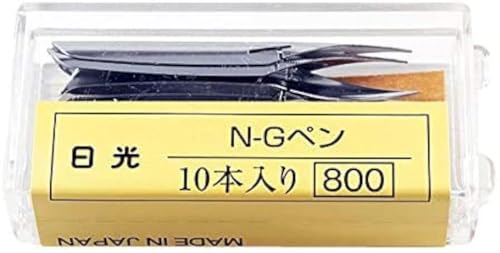
Best Dip Pen Nibs (2026): New Nibs Are Coated and Will Not Take Ink
A brand new nib dipped in ink will often refuse to write, and almost every beginner concludes they have bought a dud. Nibs ship with a thin oil or lacquer coating to stop them rusting in the packet, and ink beads off it. Until you remove that coating, nothing is going to work.

Best Graphite Pencils for Beginners (2026): 3 Picks
Graphite pencils come in a range of grades, from hard (H) that make light, thin lines to soft (B) that make dark, smudgy ones. For a beginner, the one spec that actually matters is getting a set that spans that range, roughly 2H to 8B, so you can shade properly instead of pressing harder on one pencil. Any of these three will do that.

Best Beginner Acrylic Paint Set 2026: Liquitex BASICS and Where to Start
Acrylics are the best paint to start with: fast-drying, water-cleanup, and forgiving, but the cheapest craft-store paints are so thin and chalky they'll put you off. The fix is student-grade acrylics with real pigment, which cost barely more. Here are three sets, from the beginner standard to a pro-quality upgrade.

Best Canvas for Painting (2026): Cotton, Linen, and What Primed Really Means
Almost every cheap canvas says pre-primed, and almost every painter adds more primer anyway. Factory gesso is applied thinly to keep costs down, so paint sinks into the weave, colours dry dull and you use two or three times as much of an expensive tube as you needed to.