Best Playing Cards for Card Magic (2026): 3 Honest Picks
Here is the honest truth most gear guides skip: a standard deck of Bicycle cards, the kind you can buy for about four dollars at any supermarket, is genuinely all you need to learn almost every card trick worth knowing. Nearly every card magician alive learned on exactly that deck, and most still perform with it. The sleights, the moves, the classics in every beginner book all assume an ordinary deck of cards, not a special one. So this is not a guide about buying your way to better magic, because you cannot, the skill is entirely in your hands. It is a guide to three good decks and the honest, small differences between them: a cheap standard Bicycle to start and stick with, a classic magician's paper deck that fans and springs a touch more smoothly once your hands know what they are doing, and a premium deck that feels lovely and looks the part but does nothing your first deck cannot. One thing up front: these are all real decks you also just play cards with, not gimmick or trick decks. You do not need those to learn card magic. Here are three good ones, and honest advice on whether to bother going past the first.
HobbyStack may earn a commission from links on this page at no extra cost to you. Our picks are chosen on merit; the commission helps fund the research.
- A standard deck of Bicycle cards, about four dollars anywhere, is genuinely all you need to learn almost every card trick. Nearly every magician learned on one and most still use them. Buy a nicer deck for feel, not because it will improve your magic.
- These are all normal decks you also play cards with, not gimmick or trick decks. You do not need a Svengali or a marked deck to learn real card magic, the skill lives in your hands and any plain deck will do.
- Going up the range buys you handling feel and looks, not ability. Budget is the standard Bicycle everyone uses, the Tally-Ho is a classic paper deck that fans and springs a touch more smoothly, and the theory11 Monarch is a premium deck that mostly just feels and looks great.
- Whatever you buy, decks wear out. Paper cards go soft and sticky after enough handling, so magicians replace them often, that is normal and not a sign you bought the wrong deck. Buy cheap, practise hard, replace when it dies.
 Bicycle Rider Back Standard Playing CardsThe default deck for learning almost any trick$5Check price
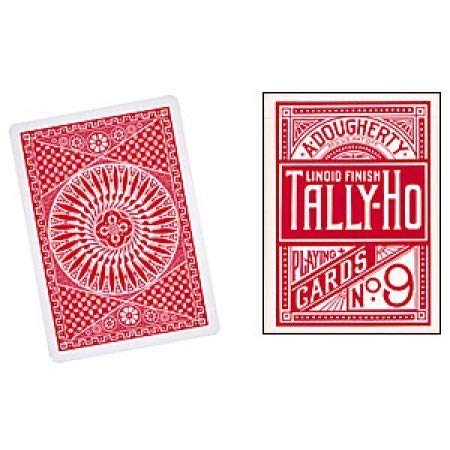 Our pickTally-Ho Circle Back Playing CardsA smoother-handling classic once you know a few sleights$9Check price
 theory11 Monarch Playing CardsA deck that feels lovely and looks the part$13Check price
Start with the honest question: do you need anything better than a basic Bicycle deck to do card magic? No. A standard Rider Back deck costs a few dollars, handles well, and is the exact deck taught in every beginner book and used by most working magicians. What a nicer deck gives you is not new tricks or secret ability, it is a slightly different feel in the hands. A thinner, smoother paper deck can fan and spring a little more easily, and a premium deck can feel special enough that you want to pick it up and practise, which honestly matters more than the card stock. But none of it does a single move for you. Every sleight you will ever learn works fine on the cheap deck, so try the hobby that way first and upgrade only if and when you want to, not because you think you have to.
So match the deck to where you are. If you are just starting, buy a standard Bicycle Rider Back, or a brick of a dozen, and do not think about it again, it is what nearly everyone learns on and it will not hold you back for years. Once your hands know a few sleights and you can actually feel the difference, a classic magician's deck like the Tally-Ho fans and springs a touch more smoothly, and it is a small, cheap, pleasant upgrade rather than a necessary one. And if you want a deck that feels genuinely lovely in the hands and looks the part when you perform, a premium deck like the theory11 Monarch is worth it for the feel and the presentation, as long as you are honest that you are buying feel and looks, not skill. Most beginners are best served buying a few cheap Bicycle decks and wearing them out, so go up the range only for a feel you will actually enjoy.
 All you actually need
Bicycle Rider Back Standard Playing Cards
This is the deck, the one nearly every card magician learned on and the one most still carry. A standard Bicycle Rider Back is paper, poker size, with a symmetrical back and the Air-Cushion finish that lets it shuffle, fan, and spring smoothly straight out of the box. It costs a few dollars, you can buy it at any supermarket or drugstore, and it is the exact deck assumed by every beginner card-magic book ever written. The Royal Road to Card Magic, Card College, the tutorials on YouTube, all of them teach on this deck. Colours may vary between red and blue, which does not matter at all for learning. The only real catch is that paper cards wear out: after enough handling they go soft, a little sticky, and eventually clump, so you will replace them now and then, which is completely normal and part of the deal. Honestly, if you buy this and nothing else, you can learn essentially all of card magic. Everything above it on this page is about feel and looks, not ability. Start here, and do not feel you need more.
What's good
- Genuinely all you need, the deck taught in every beginner book
- Costs only a few dollars and sold in almost every shop
- Smooth Air-Cushion finish shuffles, fans, and springs well
- Symmetrical Rider Back is forgiving for beginner sleights
What's not
- Paper, so it wears out and needs replacing now and then
- This single-pack listing ships red or blue at random
 The classic magician's upgrade
Tally-Ho Circle Back Playing Cards
The traditional step up for card handlers, and a small, cheap, genuinely pleasant one. Tally-Ho decks are made by the same company as Bicycle, the US Playing Card Company, but on thinner, slightly stiffer stock with a smooth traditional finish that magicians and cardists have loved for well over a century. In practice that means fans open a little more evenly and springs and riffles feel a touch crisper, the kind of difference your hands notice once they know what they are doing but a total beginner will barely register. It is only a couple of dollars more than a Bicycle, so it is an easy thing to try. The main honest caveat is the back: the Circle Back design is off-centre, a so-called one-way back, so a single reversed card can show if you are not careful. Plenty of magicians like that, it has its uses, but if you want a fully symmetrical back, the Tally-Ho Fan Back or a standard Bicycle is the safer pick. Lovely deck, real but subtle upgrade, and still cheap enough to wear out without a second thought.
What's good
- Thin traditional stock that fans and springs a touch more smoothly
- A century-old favourite of magicians and cardists
- Only a little more than a standard Bicycle deck
- Same trusted USPCC quality as Bicycle cards
What's not
- The Circle Back is one-way, so a reversed card can show
- Still paper, so it wears out like any other deck
 Best premium feel
theory11 Monarch Playing Cards
The nice one, and worth being honest about. The theory11 Monarch is a genuinely lovely deck: premium Q1 paper stock, theory11's smooth 909 finish, and an elegant navy box with gold foil that has turned up in films and gift guides. It handles beautifully, fans and springs cleanly, and feels special enough that you will want to pick it up and practise, which is not nothing. Plenty of working performers use Monarchs on the job because a deck that feels and looks premium can add a little polish to how you present. But here is the honest part: it is made by the same US Playing Card Company as your cheap Bicycles, on the same fundamental paper technology, and it will not do a single move for you that a four-dollar deck cannot. The back is ornate but symmetrical, so it is perfectly fine for magic. You are paying for feel, looks, and the pleasure of using something nice, not for ability. If that appeals to you, it is money well spent. If it does not, you lose absolutely nothing by sticking with Bicycles.
What's good
- Premium Q1 stock and 909 finish, handles beautifully
- Elegant, symmetrical back that is fine for magic
- Feels special enough that you want to practise with it
- A legitimate performing deck, not just a collectible
What's not
- Costs several times more than a standard Bicycle deck
- Does nothing for your skill, you are paying for feel and looks
Before you spend anything on a fancier deck, buy one standard Bicycle Rider Back deck, or a pack of a dozen, and start learning. It is a few dollars, it is sold everywhere, and it is the exact deck taught in every beginner book and used by most working magicians. This is how essentially everyone starts, and plenty of people never use anything else. A nicer deck is a small treat you can give yourself later, once you know you love the hobby and your hands can actually feel the difference. Learn the moves first, then upgrade the cards if you want to, not before.
Which to buy: just starting, or on any budget at all? A standard Bicycle Rider Back, and honestly you could stop reading here. Been at it a while and want a classic deck that fans and springs a little more smoothly? The Tally-Ho. Want something that feels genuinely lovely in the hands and looks the part when you perform? The theory11 Monarch, as long as you know you are buying feel and looks, not skill. And if you are brand new, do not overthink it, buy a cheap Bicycle and put the money you saved toward a good beginner book instead.
Before you buy
Buy cheap and buy a few. A brick of a dozen standard Bicycle decks costs little, means you always have a fresh one, and lets you wear decks out in practice without a second thought. That matters far more than owning one expensive deck.
Skip gimmick and trick decks while you are learning. Svengali, stripper, and marked decks do one clever thing each and teach you no real skill. Learn genuine sleight of hand on an ordinary deck first, it is far more rewarding, and one normal deck can do a thousand tricks.
Replace a deck when it dies. Paper cards go soft and sticky after enough handling, which makes clean sleights harder. A worn deck is not a broken skill, it is just a worn deck, so open a fresh one and keep going.
Get a good beginner book, it matters more than the cards. The Royal Road to Card Magic or Card College Volume 1 will teach you more than any deck ever could. Spend a little on cards and put the rest into learning.
You will see 100 percent plastic decks like the Bicycle Prestige recommended for durability, and they are genuinely tough, waterproof, and last far longer than paper, which is handy if you practise for hours or take cards outdoors. But be honest about the trade: plastic is stiffer and does not fan, spring, or handle quite like paper, and nearly all card magic is taught and performed on paper. For learning sleights, a paper Bicycle or Tally-Ho feels better and behaves the way the tutorials expect. Buy plastic if you hate replacing decks or want one for rough conditions, not because it will make your magic any better.
Beginner card magic deck questions
What playing cards do I actually need to learn card magic?
Are expensive decks better for magic?
Do I need special gimmick or trick decks, like a Svengali or marked deck?
What is the difference between Bicycle and Tally-Ho cards?
How long does a deck last, and when should I replace it?
Should I get poker size or bridge size cards?
For almost everyone, the answer is simple: buy a standard Bicycle Rider Back deck, or a pack of a dozen, and start learning. It costs a few dollars, it is the deck taught in every beginner book, and it is genuinely all you need to learn almost every card trick worth knowing. When you have a few sleights down and want a classic deck that fans and springs a touch more smoothly, the Tally-Ho is a small, cheap, pleasant upgrade. And if you want a deck that feels lovely in the hands and looks the part when you perform, the theory11 Monarch is worth it for the feel and the presentation, as long as you are honest that you are buying looks and feel, not skill. Spend little on cards, put your effort into the moves, and replace decks as they wear out. That is the whole game.
Ready to actually do it?
The first magic tricks quest takes an evening, and it tells you whether the gear was worth it better than any review can.
Start Magic TricksThe HobbyStack editorial team researches each guide against manufacturer specifications, published resources and practitioner sources. Every product is checked for availability and described against its current listing before publication, and prices are re-checked when guides are updated.
About our editorial process →More gear guides
All guides
Best Microphone for Singing (2026): 3 Picks from USB to Studio
The right first vocal microphone depends less on brand than on two questions: how will you plug it in, and how treated is your room? A USB microphone plugs straight into your computer and is the simplest, cheapest start. An XLR microphone sounds better and lasts a lifetime but needs an audio interface to run it. And for a normal, untreated room, a dynamic microphone (which ignores room echo) is far more forgiving than a sensitive studio condenser. Here are three excellent vocal mics, from a versatile plug-and-play starter to a studio-grade classic, and the honest advice on which suits your setup.

Best Juggling Balls for Beginners (2026): 3 Honest Picks
Here is the good news that juggling gear pages tend to bury: you do not need anything fancy to learn, and the right tool is also one of the cheapest. Soft beanbag balls, the kind that land with a dull thud and stay put instead of bouncing or rolling under the sofa, are genuinely the best way to learn to juggle. You are going to drop a lot early on, everyone does, and a ball that rolls away turns every single drop into a chase across the room. Beanbags do not roll. That one quality matters more than brand, colour, or price. You do not need stage balls, LED balls, or anything a professional uses, those come much later, if ever. All three picks here are soft, three-ball beanbag sets in the 90 to 130 gram range that most jugglers settle on, and the ladder is simple: a cheap, soft set to start, a quality all-purpose set that most people should just buy, or a durable pro-grade set that gets nicer with use and lasts for years. Here are three good ones, and honest advice on how little you actually need to spend.

Best Acoustic Guitar Strings for Beginners: Gauge, Coating, and Tone
Fresh strings transform how a guitar sounds and feels: and beginners often play far too long on old, dead ones. Light-gauge strings are easier on new fingers, and coated strings last longer. Here is what to put on your acoustic, how we chose, and what to expect.

Best Beginner Acoustic Guitar 2026: Yamaha FG800 vs Fender CD-60S vs Taylor GS Mini
The first acoustic guitar makes or breaks whether you stick with the instrument. Spend $80 and you'll quit in 6 months. Spend $230 and you'll be playing in 5 years. Here are the three acoustics worth buying as a beginner.

Best Beginner Electric Guitars: The Yamaha Pacifica and Its Rivals
A good beginner electric is easy to play, stays in tune, and is versatile enough for any style, and you do not need to spend much to get one. The Yamaha Pacifica is the runaway favourite. Here are three, how we chose them, and what to expect.

Best Beginner Guitar Amps: From Practice Amp to Modeling Powerhouse
An electric guitar needs an amp to make a sound, but the right beginner amp does far more than get loud. Modern modeling amps pack dozens of tones and effects into a small box. Here are three worth plugging into, how we chose them, and what to expect.