Best Guitar Straps for Beginners: Comfort, Material, and Fit
A strap lets you stand up and play, and a comfortable one makes long sessions painless. It is a small purchase with a real effect on how much you enjoy playing. Here are three worth wearing, how we chose them, and what to expect.
HobbyStack may earn a commission from links on this page at no extra cost to you. Our picks are chosen on merit; the commission helps fund the research.
- Even if you mostly sit, a strap helps stabilise the guitar and is essential the moment you stand.
- A wider strap (2"+) spreads weight better and is more comfortable for heavier guitars and long sessions.
- Suede or padded straps grip your shoulder and resist sliding; nylon/poly straps are light and cheap.
- Consider inexpensive strap locks so your guitar cannot slip off the strap buttons.
- Acoustic guitars often have only one strap button — you may need to tie the other end or fit a button.
 Levy's M8POLY Polyester StrapSimple and cheap$7Check price
 Our pickLevy's MSS3 Suede StrapComfort and grip$50Check price
 Levy Amped Leather StrapComfort + style$30Check price
Why you need one (even sitting down)
A strap is obviously essential for standing up to play, but it helps even when seated: it stops the guitar sliding around and lets you relax your fretting hand instead of using it to hold the instrument in place. Getting comfortable standing early is worth it — it is how you will play at a jam, a lesson, or eventually a stage.
The basics that matter are width and material. Wider straps (2 inches or more) spread the guitar’s weight across your shoulder, which makes a real difference on heavier electrics and during long practice. Material affects both comfort and grip.
How we picked
We rated straps on comfort, security, and value. Width and padding: at least 2 inches to spread the guitar’s weight, since a thin strap digs in on a heavier guitar. Grip: materials (suede, woven seatbelt) that stay on your shoulder rather than sliding forward mid-song. Build quality at the ends: strong stitching and durable strap-button holes, because that is where cheap straps fail and guitars fall. Adjustability for the right playing height. We picked a light value strap, a grippy suede all-rounder, and a tough handmade seatbelt strap — and we flag strap locks throughout, because the cheapest way to protect your guitar is stopping the strap popping off.
 Best budget strap
Levy's M8POLY Polyester Strap
The honest budget strap that does everything a beginner needs. Levy’s M8POLY is a 2-inch polypropylene strap with sturdy genuine-leather ends and a smooth tri-glide adjustment that extends to a generous length — light, durable, and inexpensive, in a wide range of colours. There is no padding, so it can slide on the shoulder and dig in a little under a heavy guitar over a long session, but for most beginners on a lighter guitar it is perfectly comfortable and reliable. A great first strap that leaves budget for the gear that matters more.
What's good
- Cheap, light, and durable
- Leather ends and easy adjustment
- Many colour options
- Reliable for everyday use
What's not
- No padding for heavy guitars
- Can slide on the shoulder
- Thin webbing feel
 Best all-rounder
Levy's MSS3 Suede Strap
The comfort sweet spot, and the strap most players are happy to settle on. The Levy’s MSS3 is a wider 2.5-inch suede strap whose suede backing genuinely grips your shoulder, so the guitar stays put instead of sliding forward as you move — a small thing that makes a real difference standing up. It feels plush under the weight of an electric, the reinforced stitching resists stretching, and it simply looks great. It costs more than a poly strap and suede needs a little care over time, but for everyday comfort and security it is well worth the modest step up.
What's good
- Grippy suede stays on the shoulder
- Wider and more comfortable under load
- Durable, reinforced build
- Looks and feels premium
What's not
- Costs more than a poly strap
- Suede needs occasional care
- Heavier than nylon
 Best premium strap
Levy Amped Leather Strap
A comfortable leather strap that lasts. The Levy Amped Leather strap is 3 inches wide with foam padding, so the weight of the guitar spreads across your shoulder instead of digging in during a long set, and full-grain leather softens and looks better with age. It adjusts across the usual range and the leather ends hold the strap pins securely. A step up from a thin nylon strap, and from a brand that has made straps for decades, it is a buy-it-once upgrade for very little.
What's good
- 3-inch padded leather spreads weight comfortably
- Full-grain leather softens and ages well
- Secure leather ends, wide adjustment range
- From a decades-old strap maker
What's not
- Leather needs a little breaking in
- Pricier than a basic nylon strap
The cheapest insurance in guitar is a pair of strap locks — small clips or even rubber washers (a few dollars) that stop the strap from slipping off the guitar’s buttons. A guitar dropping off its strap onto a hard floor can crack a neck or finish. Fit strap locks and never think about it again.
What to expect
The first time you sling the guitar on standing up, it will feel oddly different from sitting — the neck angle changes and your fretting hand has to work a little differently. That is normal; practising standing early (even for part of each session) builds a skill you will need for jams and gigs. Set the strap length so the guitar sits at roughly the same height standing as it does sitting, which keeps your technique consistent. Expect a suede strap to feel grippiest and a bare nylon one to slide most. Above all, fit strap locks before you trust the strap with any movement — the sickening moment a guitar slips off a button and hits the floor is entirely avoidable for a few dollars, and once locks are on you can move freely without a second thought.
Before you buy
Choose a 2-inch-or-wider strap to spread the weight comfortably.
Suede or padded straps grip the shoulder and slide less.
Add cheap strap locks so the guitar can’t slip off the buttons.
Check whether your acoustic has one strap button or two.
Set the length so the guitar sits at a similar height standing and sitting.
Before buying a strap for an acoustic, check what it has: many acoustics have a single strap button at the base and none at the neck, and some have none at all. You may need to tie the strap around the headstock (a common, safe solution) or have a tech fit a second button. Don’t assume your acoustic is ready for a strap out of the box.
Guitar strap questions
Do I need a strap if I only play sitting down?
What width guitar strap is most comfortable?
What is the best material for a guitar strap?
Do I need strap locks?
My acoustic only has one strap button — what do I do?
How high should I wear my guitar strap?
A strap is a small purchase that makes playing more comfortable and lets you stand up. The Levy’s M8POLY is the cheap, dependable starter; the Levy’s MSS3 suede is the comfortable all-rounder that grips your shoulder; the Levy seatbelt strap adds toughness and style. Whatever you choose, fit cheap strap locks and set the length so the guitar sits where it does when you’re seated.
Ready to actually do it?
The first playing guitar quest takes an evening, and it tells you whether the gear was worth it better than any review can.
Start Playing GuitarThe HobbyStack editorial team researches each guide against manufacturer specifications, published resources and practitioner sources. Every product is checked for availability and described against its current listing before publication, and prices are re-checked when guides are updated.
About our editorial process →More gear guides
All guides
Best Acoustic Guitar Strings for Beginners: Gauge, Coating, and Tone
Fresh strings transform how a guitar sounds and feels: and beginners often play far too long on old, dead ones. Light-gauge strings are easier on new fingers, and coated strings last longer. Here is what to put on your acoustic, how we chose, and what to expect.

Best Beginner Acoustic Guitar 2026: Yamaha FG800 vs Fender CD-60S vs Taylor GS Mini
The first acoustic guitar makes or breaks whether you stick with the instrument. Spend $80 and you'll quit in 6 months. Spend $230 and you'll be playing in 5 years. Here are the three acoustics worth buying as a beginner.

Best Beginner Electric Guitars: The Yamaha Pacifica and Its Rivals
A good beginner electric is easy to play, stays in tune, and is versatile enough for any style, and you do not need to spend much to get one. The Yamaha Pacifica is the runaway favourite. Here are three, how we chose them, and what to expect.

Best Beginner Guitar Amps: From Practice Amp to Modeling Powerhouse
An electric guitar needs an amp to make a sound, but the right beginner amp does far more than get loud. Modern modeling amps pack dozens of tones and effects into a small box. Here are three worth plugging into, how we chose them, and what to expect.
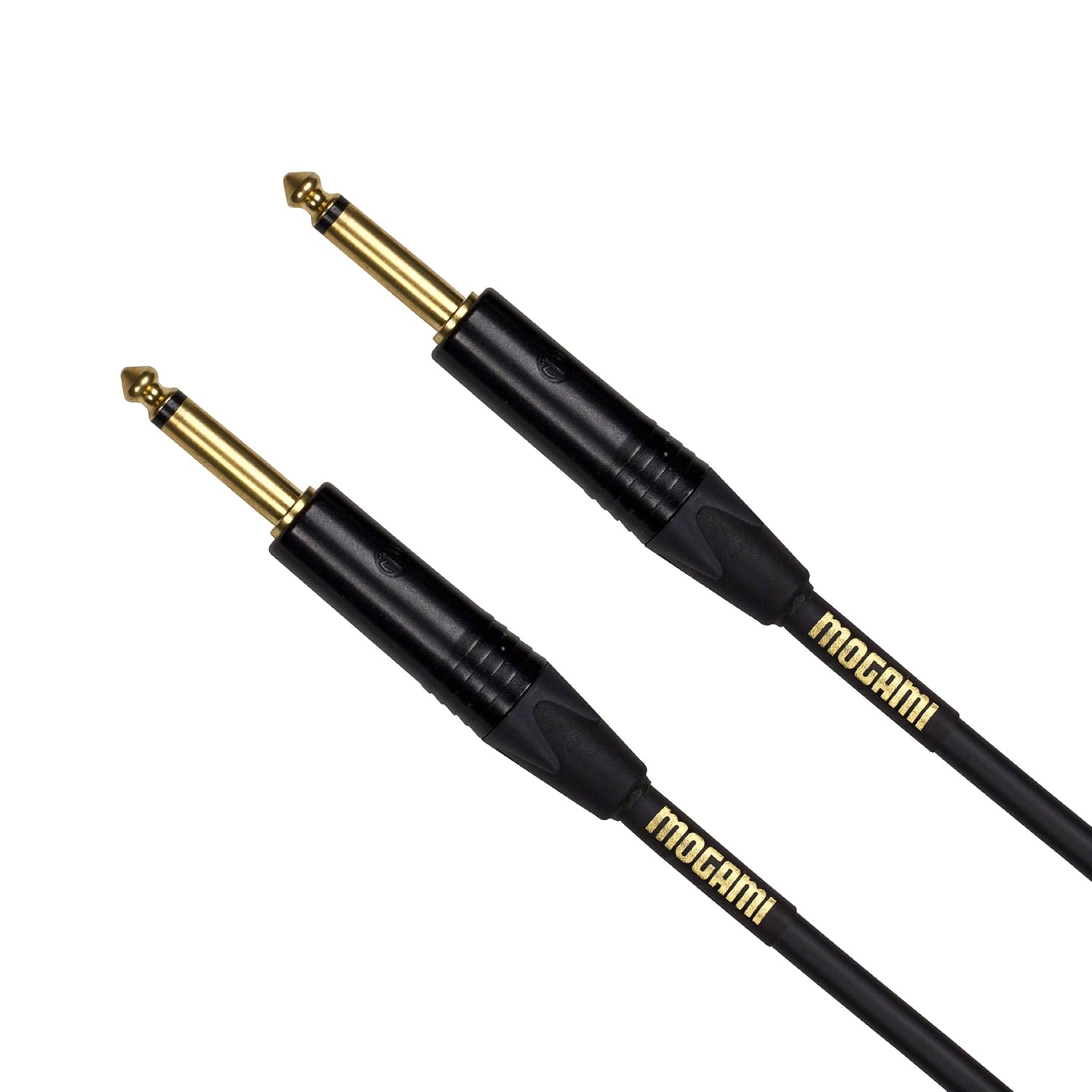
Best Guitar Cables for Beginners: Length, Quality, and Noise
A guitar cable seems like an afterthought until a cheap one fails mid-song or hums with noise. A good instrument cable is reliable, quiet, and lasts years. Here is what to buy, how we chose, and what to expect, and why you do not need to spend a fortune.

Best Guitar Capos for Beginners: Quick-Change, Clamp, and Tuning Stability
A capo clamps across the fretboard to raise your guitar’s pitch, letting you play songs in new keys using the easy open chords you already know. It is a small, cheap tool that unlocks a huge amount of music. Here are three, how we chose them, and what to expect.