Best Mixing Bowls for Baking (2026): Stainless, Glass or Plastic
Mixing bowls are the piece of kit people own by accident — whatever came with the house, in whatever sizes. It mostly does not matter, with one real exception: plastic bowls will stop egg whites whipping, and almost nobody is told why. Beyond that it is about weight, nesting, and owning three rather than one.
HobbyStack may earn a commission from links on this page at no extra cost to you. Our picks are chosen on merit; the commission helps fund the research.
- Stainless steel is the default: light, unbreakable, does not stain or hold smells, and safe with acidic batters.
- Never whip egg whites in plastic. Plastic holds a microscopic film of fat that stops them foaming.
- You want three sizes. A big one for folding, a medium for the main mix, a small for eggs and dry bits.
- Nesting bowls store in the space of the largest. Non-nesting sets eat a cupboard.
- Heavier bowls stay put when you whisk hard. That is most of what the extra money buys.
- Bellemain Stainless Steel with Lids (3)Starting out$24Check price
- Our pickCuisinart Nesting Stainless (3)Most bakers$39Check price
- KitchenAid Stainless (3)Baking constantly$56Check price
The plastic problem, which nobody explains
If your meringue will not stiffen, the bowl is the most likely culprit. Plastic is slightly porous and holds a microscopic film of fat from everything it has ever held, and fat prevents egg white proteins from forming a stable foam. You can wash a plastic bowl perfectly and it will still fail.
Stainless steel and glass do not do this. Copper actively helps, which is why professional pastry kitchens have copper bowls, but that is a specialist purchase rather than a first one.
So: if you own one good bowl for whipping, make it metal or glass. Keep plastic for dry ingredients and for things that do not care.
Stainless, glass or ceramic
Stainless is the sensible default. Light enough to hold in one arm while folding, effectively unbreakable, does not stain from turmeric or tomato, does not hold garlic smells, and will not react with acidic batters. The two drawbacks are that you cannot see through it and you cannot microwave it.
Glass lets you see whether the flour is fully incorporated at the bottom, and it goes in the microwave, which is genuinely useful for melting butter or chocolate in the same bowl you are about to mix in. It is heavy, and it breaks.
Ceramic is lovely, very heavy, and mostly bought for how it looks in photographs. Nothing wrong with it, but it is not the practical choice.
If you buy one set, buy stainless. Add a single large glass bowl later for the microwave jobs.
Bellemain Stainless Steel Mixing Bowls
Three nesting stainless bowls with airtight lids, and the lids are the reason to pick this set over other cheap ones. A bowl you can cover becomes a container: dough proves in it, batter rests in it, leftovers go in the fridge in it, and you are not decanting things into other tubs and washing up twice. Stainless means no staining, no held smells, and no reaction with acidic batters. The gauge is thinner than the pricier sets, so a bowl will skate on the bench if you whisk hard one-handed. Hold the rim and it is a non-issue. For a first set this is the sensible amount to spend.
What's good
- Airtight lids make them storage as well as bowls
- Nests into the space of the largest
- Stainless: no stains, no smells, acid safe
- Cheapest sensible set here
What's not
- Thin gauge — slides if you whisk hard one-handed
- No pouring spouts
- Cannot see through it
- Not microwave safe
Cuisinart Mixing Bowl Set, Nesting, Stainless Steel, 3-Piece
A heavier gauge than the budget set, and that weight is the whole point: the bowl stays where you put it while you whisk instead of chasing you round the worktop. The rolled rims pour cleanly, which matters every time you transfer batter into a tin and would otherwise dribble down the outside. They nest properly, so three bowls take one bowl of cupboard space. There are no lids, which is the trade against the Bellemain set. If you bake most weeks and want bowls you never think about again, this is the amount to spend.
What's good
- Heavy enough to stay put while whisking
- Rolled rims pour without dribbling
- Nests tidily
- Genuinely lasts decades
What's not
- No lids
- Twice the price of the budget set
- Not microwave safe
- Plain finish
KitchenAid Stainless Steel Mixing Bowls, Set of 3
The heaviest set here, with wide handles and proper pouring spouts. The handle is the real difference: holding a bowl by a handle while folding with the other hand is more secure than gripping a rim, and it matters most when the bowl is full and heavy. Everything else is a refinement of what the Cuisinart already does well. Worth it if you bake several times a week and the bowls are out constantly; genuinely hard to justify over the mid pick if you bake at weekends. Buy this because you want the handles, not because it is the top of the list.
What's good
- Handles make full bowls much easier to control
- Proper pouring spouts
- Heaviest, most stable
- Excellent build
What's not
- Three times the budget set
- Handles mean they nest less compactly
- Little practical gain over the mid pick
- Not microwave safe
Even a clean metal bowl can carry a trace of grease. A quick wipe round with a little white vinegar or lemon juice on kitchen paper strips it, and gives egg whites the best chance of a full, stable foam. It takes ten seconds and is the difference between stiff peaks and a bowl of froth.
How many, and what sizes
Three is the number. A large bowl (about 5 quarts) for folding and for anything that grows — meringue, whipped cream, bread dough. A medium for the main mix. A small for cracking eggs into, weighing out dry ingredients, or melting butter.
The reason to crack eggs separately is worth stating: one bad egg into the small bowl costs you an egg, whereas cracking straight into the batter costs you the batter.
If you find yourself constantly washing the medium bowl mid-recipe, that is the signal to add a fourth rather than to buy bigger ones.
Before you buy
Buy stainless unless you specifically want to microwave in the bowl.
Check they nest. Three non-nesting bowls take three bowls of cupboard.
Pick up the largest one. If it feels flimsy empty, it will slide when full.
Keep one plastic bowl for dry work and never whip egg whites in it.
Three sizes beats two big ones. The small bowl gets used most.
Mixing bowl questions
What are the best mixing bowls for baking?
Why will my egg whites not whip?
How many mixing bowls do I need?
Glass or stainless steel?
Buy a nesting set of three stainless bowls. The Cuisinart set is the one for most people — heavy enough to stay still while you whisk, rims that pour cleanly, and it will outlast the kitchen. The Bellemain set is the sensible start and its lids genuinely earn their place. The KitchenAid set is worth it only if you want the handles. Keep plastic bowls for dry ingredients, and never whip egg whites in one.
Ready to actually do it?
The first baking quest takes an evening, and it tells you whether the gear was worth it better than any review can.
Start BakingThe HobbyStack editorial team researches each guide against manufacturer specifications, published resources and practitioner sources. Every product is checked for availability and described against its current listing before publication, and prices are re-checked when guides are updated.
About our editorial process →More gear guides
All guides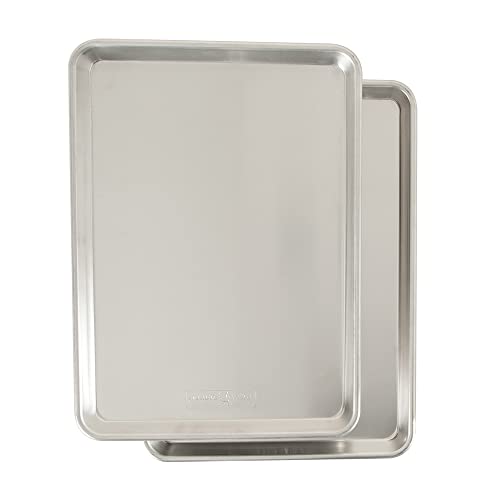
Best Baking Sheet for Beginners (2026): Why Half-Sheet Aluminium Wins
A baking sheet is the most-used pan in most kitchens and the one people spend least time choosing. The cheap ones warp with a bang the first time they hit a hot oven, and a warped sheet cooks unevenly forever after. The fix is not expensive: a heavy half sheet in bare aluminium with a rolled rim, which is what professional kitchens have used for decades.

Best Beginner Stand Mixer 2026: KitchenAid Artisan vs Classic vs Pro 600
Stand mixers are a one-time purchase that lasts decades. Pick the right KitchenAid (it's almost always going to be a KitchenAid) and you'll never need to think about it again. Pick wrong and you'll end up reselling and rebuying within 5 years.

Best Kitchen Scale for Baking 2026: Escali vs Ozeri vs OXO
A kitchen scale is the single most important tool in baking: weight is exact where measuring cups aren't, and switching to grams is the fastest way to make your recipes finally come out the same every time. The good news: accuracy is basically a solved problem, so the real choice isn't which scale weighs best (they're all spot-on) but which features you want. Here's the honest breakdown.
Best Oven Thermometer (2026): Your Oven Is Probably Lying to You
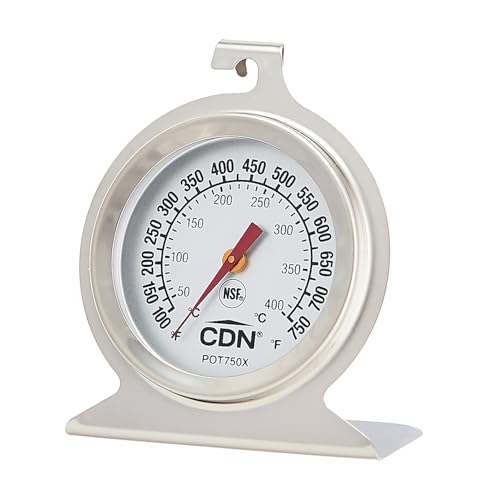
Set a home oven to 350°F and there is a good chance it is sitting anywhere between 315 and 390. The dial is a request, not a measurement, and the difference is the reason a recipe that works for everyone else comes out pale and raw in the middle at your house.
Best Rolling Pin (2026): French, Classic or Adjustable
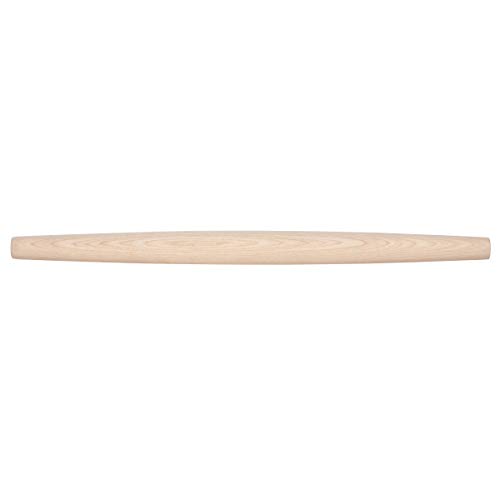
Rolling pins divide into three shapes and people are oddly loyal to whichever they learned on. The differences are real but small: what changes most is how much you can feel the dough through the pin, and whether you get an even thickness without measuring. Any of them will roll pastry. One of them will roll it to a consistent 4mm without you thinking about it.

Best Round Cake Pans (2026): Why Anodised Aluminium Wins
Layer cakes are where most people find out their pans matter. A dark pan browns the edges before the middle is set; a thin one buckles; a single pan means baking layers one after another, which gives you two cakes that are not quite the same. None of this is expensive to fix, and the pan you want is not the one with the cleverest coating.