Best Round Cake Pans (2026): Why Anodised Aluminium Wins
Layer cakes are where most people find out their pans matter. A dark pan browns the edges before the middle is set; a thin one buckles; a single pan means baking layers one after another, which gives you two cakes that are not quite the same. None of this is expensive to fix, and the pan you want is not the one with the cleverest coating.
HobbyStack may earn a commission from links on this page at no extra cost to you. Our picks are chosen on merit; the commission helps fund the research.
- Buy two matching pans, or three. Baking layers in sequence gives layers that do not match.
- 9 x 2 inch is the standard round. Most recipes assume it unless they say otherwise.
- Light-coloured aluminium browns gently; dark pans over-bake the edges before the centre sets.
- Anodised aluminium is the sweet spot: even heat, no coating to fail, and it will not react with acidic batters.
- A parchment circle in the base beats any nonstick coating, and costs nothing.
 Wilton Aluminum Round Cake Pan Set (2)Starting out$15Check price
 Our pickFat Daddio's Anodized Aluminum 9 x 2Most bakers$18Check price
 USA Pan Nonstick Round 9-InchSticky batters$23Check price
Size, depth, and why two
9 x 2 inches is the default round pan in most recipes. An 8-inch pan holds the same batter in a smaller circle, so the layers come out taller and take longer to bake through — fine if you want the look, but check the recipe rather than assuming.
Depth of 2 inches is standard. 3-inch pans exist for tall single-layer cakes and are harder to bake evenly, because the centre is further from every hot surface.
And buy at least two. Baking one layer, then washing the pan and baking the second, gives you layers that differ: the second batch of batter has been sitting, the oven has been opened, the pan goes in warm. Two pans in at once is one of those small things that makes a home cake look deliberate.
Colour and material do the work
A dark pan absorbs and radiates more heat, so the edges of a cake set and brown while the middle is still liquid. You end up with a crusty rim and a domed, cracked top. Light aluminium is far more forgiving, which is exactly what a beginner needs.
Anodising is an electrochemical treatment that hardens the surface of aluminium. It is not a coating, so there is nothing to chip or wear off, and it stops the metal reacting with acidic batters — buttermilk, lemon, anything with a lot of fruit — which bare aluminium can do, leaving a faint metallic edge and grey streaks.
That combination, light colour plus a surface that cannot fail, is why anodised aluminium is what most serious bakers use and why it sits in the middle of this list rather than the top.
 Best for starting out
Wilton 9-Inch Round Cake Pans Set of 2
A pair of plain aluminium 9 x 2 pans for about the price of one pan from anyone else, and buying a pair is exactly what a layer cake needs. Light-coloured, so they brown gently rather than scorching the edges, and light in weight, which does mean they are less rigid than the heavier pans here — expect a bit of flex when you pick one up full. Bare aluminium will discolour over time and can react slightly with very acidic batters. For someone baking their first few cakes, none of that will be the thing standing between them and a good result. Grease them and line the base with a parchment circle.
What's good
- Two pans for the price of one elsewhere
- Light colour browns gently
- Exactly the standard 9 x 2 size
- Cheap enough to learn on
What's not
- Thinner and less rigid than the others
- Bare aluminium discolours
- Can react with acidic batters
- No coating, so lining matters
 Best for most bakers
Fat Daddio's Anodized Aluminum Round Cake Pan
The pan that professional kitchens and serious home bakers keep buying, and the one to standardise on. Anodised aluminium is hardened at the surface rather than coated, so there is nothing to chip, scratch off or wear out, and unlike bare aluminium it will not react with buttermilk, citrus or fruit-heavy batters. It is heavier and more rigid than the budget pair, so it holds its shape, and the straight sides give you a clean edge to stack. Sold singly, so buy two or three — that is deliberate rather than mean, because most people building a layer cake want three and most sets come in twos. Nothing here will ever need replacing.
What's good
- Anodised: no coating to fail, ever
- Will not react with acidic batters
- Rigid and properly flat
- Straight sides stack cleanly
What's not
- Sold singly — you need two or three
- Not dishwasher friendly
- Plain looking
- Dearer than the pair once you buy two
 Best for sticky batters
USA Pan Bakeware 9-Inch Round Cake Pan Set of 2
Aluminized steel with a silicone-based coating, from the same range as the sheet pans, and the pick if what frustrates you is cakes refusing to leave the tin. The coating genuinely releases better than bare metal, and the steel-reinforced construction is the most rigid here. The costs are the usual ones for anything coated: it is darker than the aluminium pans, so keep an eye on the edges and consider dropping the oven a little, and the surface will not last as long as anodised metal under metal tools and repeated washing. Buy it if sticky, sugary batters are your problem; buy the anodised pan if you want one that never changes.
What's good
- Best release of the three
- Very rigid, steel reinforced
- Same range as the sheet pans
- Straight sides for stacking
What's not
- Darker surface browns edges faster
- Coatings do not last forever
- Most expensive here
- Metal tools will damage it
Grease the pan, drop a circle of baking parchment in the base, grease that. Nothing sticks, on any pan, coated or not. Draw round the base of the tin and cut a stack of circles at once, and it takes seconds. It is why you can happily buy uncoated pans that last decades.
Getting the cake out
Most cakes that stick were turned out at the wrong moment. Straight from the oven the crumb is still fragile and the cake tears; left to go completely cold in the tin, the sugars set against the metal and glue it in place.
The reliable routine: cool in the tin for ten minutes, run a thin knife or palette knife round the edge, then turn out onto a rack to cool the rest of the way. If the recipe is very sticky or very rich, that ten minutes matters more, not less.
Before you buy
Buy two matching pans at minimum, three if you like a tall cake.
Default to 9 x 2 in unless the recipe says otherwise.
Prefer light-coloured pans — dark ones over-brown the edges.
Anodised aluminium has no coating to fail, which is why it lasts.
Cut a stack of parchment circles at once and keep them with the tins.
Cake pan questions
What size cake pan should I buy first?
Can I use an 8-inch pan for a 9-inch recipe?
Is nonstick worth it for cake pans?
Why does my cake brown at the edges before the middle is done?
Buy two or three matching 9 x 2 inch pans in light-coloured aluminium. The Fat Daddio's anodised pan is the one to standardise on — no coating to fail, no reaction with acidic batters, and it will outlast the oven. The Wilton pair is the sensible way to start if you are baking your first cakes. Take the USA Pan if sticky batters are the thing frustrating you. Whatever you buy, line the base with parchment and give it ten minutes before you turn it out.
Ready to actually do it?
The first baking quest takes an evening, and it tells you whether the gear was worth it better than any review can.
Start BakingThe HobbyStack editorial team researches each guide against manufacturer specifications, published resources and practitioner sources. Every product is checked for availability and described against its current listing before publication, and prices are re-checked when guides are updated.
About our editorial process →More gear guides
All guides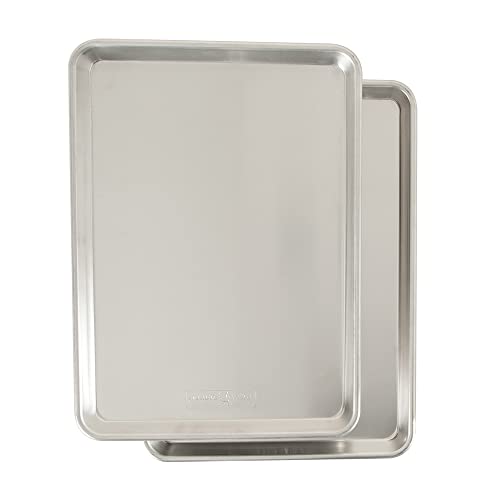
Best Baking Sheet for Beginners (2026): Why Half-Sheet Aluminium Wins
A baking sheet is the most-used pan in most kitchens and the one people spend least time choosing. The cheap ones warp with a bang the first time they hit a hot oven, and a warped sheet cooks unevenly forever after. The fix is not expensive: a heavy half sheet in bare aluminium with a rolled rim, which is what professional kitchens have used for decades.

Best Beginner Stand Mixer 2026: KitchenAid Artisan vs Classic vs Pro 600
Stand mixers are a one-time purchase that lasts decades. Pick the right KitchenAid (it's almost always going to be a KitchenAid) and you'll never need to think about it again. Pick wrong and you'll end up reselling and rebuying within 5 years.

Best Kitchen Scale for Baking 2026: Escali vs Ozeri vs OXO
A kitchen scale is the single most important tool in baking: weight is exact where measuring cups aren't, and switching to grams is the fastest way to make your recipes finally come out the same every time. The good news: accuracy is basically a solved problem, so the real choice isn't which scale weighs best (they're all spot-on) but which features you want. Here's the honest breakdown.
Best Mixing Bowls for Baking (2026): Stainless, Glass or Plastic
Mixing bowls are the piece of kit people own by accident — whatever came with the house, in whatever sizes. It mostly does not matter, with one real exception: plastic bowls will stop egg whites whipping, and almost nobody is told why. Beyond that it is about weight, nesting, and owning three rather than one.
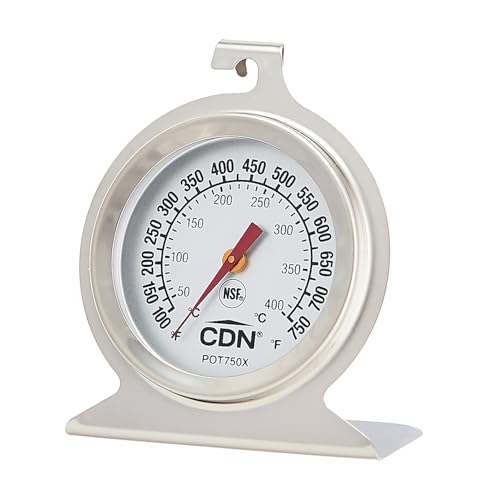
Best Oven Thermometer (2026): Your Oven Is Probably Lying to You
Set a home oven to 350°F and there is a good chance it is sitting anywhere between 315 and 390. The dial is a request, not a measurement, and the difference is the reason a recipe that works for everyone else comes out pale and raw in the middle at your house.
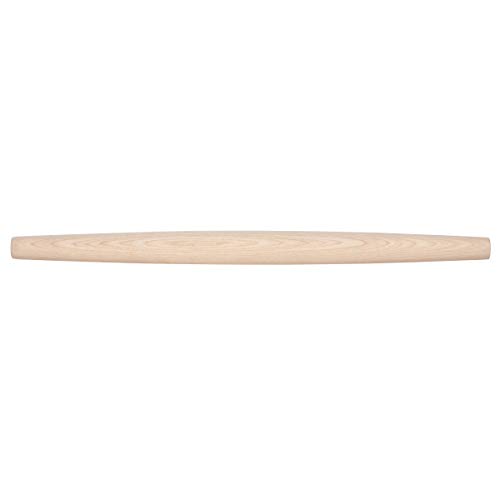
Best Rolling Pin (2026): French, Classic or Adjustable
Rolling pins divide into three shapes and people are oddly loyal to whichever they learned on. The differences are real but small: what changes most is how much you can feel the dough through the pin, and whether you get an even thickness without measuring. Any of them will roll pastry. One of them will roll it to a consistent 4mm without you thinking about it.