Best Rubber Spatula for Baking (2026): One Piece, Not Two
A rubber spatula is the tool that gets batter out of a bowl and folds air into a mixture without knocking it back out. Both jobs want the same thing: a flexible edge that matches the curve of the bowl. The thing that decides whether one lasts is less obvious — whether the head and handle are one piece or two, because the join is where old spatulas fail and where things grow.
HobbyStack may earn a commission from links on this page at no extra cost to you. Our picks are chosen on merit; the commission helps fund the research.
- Seamless one-piece silicone is the upgrade that matters. Two-piece spatulas trap batter in the join.
- Silicone handles heat; old-style rubber does not. Check the rating if you stir anything hot.
- You want a flexible edge for scraping and folding, and a stiffer one for stirring thick mixtures.
- A spoonula — spoon-shaped head — is more useful than a flat one for most baking.
- Buy two. One in the bowl and one clean is the difference between folding and waiting.
 Wilton Easy Flex Silicone Set (3)Starting out$12Check price
 Our pickGIR Silicone Kitchen SpatulaMost people$16Check price
 OXO Good Grips Silicone Set (3)A full set$24Check price
Why the join matters
Most cheap spatulas are a silicone head pushed onto a plastic or wooden handle. That join is a gap, and gaps in a kitchen tool collect what you put through them.
Batter works into the seam, water gets in when you wash it, and neither comes out reliably. Over months the head loosens, and eventually it comes off in the bowl — usually while folding something delicate.
Seamless spatulas are moulded as a single piece, often over an internal core for stiffness. Nothing to trap, nothing to work loose, and they can go in a dishwasher without the handle swelling or the head parting.
If you buy one spatula, buy a seamless one. If you inherit two-piece ones, check the join occasionally and wash them by hand.
Heat ratings, and what actually melts
"Rubber spatula" is a name inherited from the tool it replaced. Genuine rubber softens and degrades with heat; modern spatulas are silicone, which is stable to a much higher temperature.
A good silicone spatula is usually rated somewhere around 200-250°C, which comfortably covers stirring a caramel, folding hot custard or scraping a pan. Cheaper ones are rated far lower, and the failure is not dramatic — the edge simply goes slightly sticky and starts leaving a residue, or discolours permanently.
Where heat really matters is the handle on a two-piece tool. A plastic handle rated below the head can soften where it meets a hot pan edge, which is another argument for one-piece construction.
Check the rating if you cook as well as bake. If you only fold cake batter, almost anything will do.
 Best for starting out
Wilton Silicone Spatula Set
Three flexible silicone spatulas in different sizes, which is genuinely the right first purchase because size matters more than people expect. A large one clears a mixing bowl in a few strokes; a small one gets into a jar or a measuring cup where a big head simply will not fit. Having several also means you can switch from a chocolate-covered one to a clean one mid-recipe rather than stopping to wash. The heads are properly flexible, which is what you want for scraping and folding. They are two-piece construction, so wash them by hand and keep an eye on the joins over time — and the heat rating is modest, so keep them out of hot pans.
What's good
- Three sizes — the small one earns its place
- Genuinely flexible heads for folding
- Cheap enough to have several out at once
- Good general baking set
What's not
- Two-piece: joins trap batter over time
- Modest heat rating
- Handles feel light
- Not for stirring hot mixtures
 Best single spatula
GIR Get It Right Silicone Kitchen Spatula
Moulded as one piece over an internal core, which is the construction that makes a spatula last: no seam to trap batter, nothing to work loose, and it can go through a dishwasher indefinitely without the head parting from the handle. The core gives it a useful stiffness — flexible enough at the edge to clear a bowl cleanly, rigid enough through the body to stir a thick dough without folding over on itself, which soft spatulas do. High heat rating, so it is equally at home stirring a caramel as folding a sponge. It is one spatula rather than a set, so you will still want a small one for jars. If you buy a single spatula, this is the one.
What's good
- Seamless — nothing to trap or loosen
- Stiff enough for thick mixtures, soft at the edge
- High heat rating
- Dishwasher safe indefinitely
What's not
- One spatula, not a set
- No small head for jars
- Dearer than a three-piece budget set
- Stiffer than some prefer for delicate folding
 Best full set
OXO Good Grips 3-Piece Silicone Spatula Set
Three different shapes rather than three sizes of the same thing, which is the more useful way to buy a set once you know what you use. A flat head for scraping bowls flat, a spoon-shaped head for stirring and for lifting portions, and a narrow one for jars and awkward corners. The handles are cored for rigidity and comfortable to hold for the long stirring jobs where a thin handle starts to hurt. High heat rating throughout. It is the most expensive option here and the most kitchen drawer it will occupy, and if you only ever fold cake batter it is more spatula than you need. Buy it if you cook as well as bake.
What's good
- Three shapes, not three sizes of one
- Comfortable cored handles
- High heat rating throughout
- Covers baking and general cooking
What's not
- Most expensive here
- Takes real drawer space
- More than a pure baker needs
- Larger heads awkward in small jars
To fold without knocking the air out, cut down through the middle of the mixture with the spatula edge, sweep along the bottom of the bowl, and lift over — turning the bowl a quarter each time. Stirring in circles with the flat of the head is what deflates a mousse or a sponge batter, and it is the most common reason a folded mixture ends up dense.
Spatula, spoonula, scraper
Three shapes get called the same thing, and they do different jobs.
A flat spatula has a straight-edged head. Best for scraping a bowl or a jar completely clean, and for spreading.
A spoonula has a shallow spoon-shaped head. It holds a quantity rather than pushing it, which makes it far better for stirring, for folding, and for lifting some of a mixture out. For general baking this is the more useful shape, and it is the one to buy if you only buy one.
A bowl scraper is a flat piece of flexible plastic with no handle at all. Cheap, and unbeatable for turning out a wet dough or clearing a work surface.
Most people end up with a spoonula for mixing, a flat one for scraping, and a plastic scraper for dough.
Before you buy
Choose seamless one-piece if you buy one. The join is where two-piece spatulas fail.
A spoon-shaped head is more useful than a flat one for general baking.
Check the heat rating if you stir hot mixtures as well as cold.
Buy a small one too — jars and measuring cups defeat a large head.
Two spatulas means never stopping to wash mid-recipe.
Spatula questions
What is the difference between a spatula and a spoonula?
Are seamless spatulas worth it?
Can I use a rubber spatula in a hot pan?
How do I fold without knocking out the air?
Buy one seamless spatula and a cheap small one. The GIR is the right single purchase — one-piece so nothing traps or loosens, stiff enough for thick doughs, and rated high enough to stir a caramel. The Wilton set is the sensible start if you want three sizes for very little. The OXO set is worth it if you cook as well as bake and want three shapes rather than three sizes. And fold with the edge, not the flat.
Ready to actually do it?
The first baking quest takes an evening, and it tells you whether the gear was worth it better than any review can.
Start BakingThe HobbyStack editorial team researches each guide against manufacturer specifications, published resources and practitioner sources. Every product is checked for availability and described against its current listing before publication, and prices are re-checked when guides are updated.
About our editorial process →More gear guides
All guides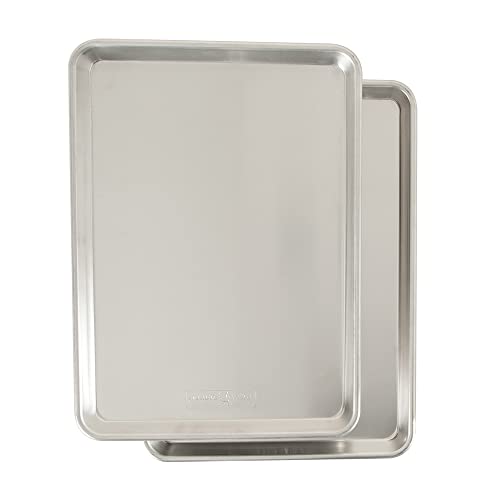
Best Baking Sheet for Beginners (2026): Why Half-Sheet Aluminium Wins
A baking sheet is the most-used pan in most kitchens and the one people spend least time choosing. The cheap ones warp with a bang the first time they hit a hot oven, and a warped sheet cooks unevenly forever after. The fix is not expensive: a heavy half sheet in bare aluminium with a rolled rim, which is what professional kitchens have used for decades.

Best Beginner Stand Mixer 2026: KitchenAid Artisan vs Classic vs Pro 600
Stand mixers are a one-time purchase that lasts decades. Pick the right KitchenAid (it's almost always going to be a KitchenAid) and you'll never need to think about it again. Pick wrong and you'll end up reselling and rebuying within 5 years.

Best Kitchen Scale for Baking 2026: Escali vs Ozeri vs OXO
A kitchen scale is the single most important tool in baking: weight is exact where measuring cups aren't, and switching to grams is the fastest way to make your recipes finally come out the same every time. The good news: accuracy is basically a solved problem, so the real choice isn't which scale weighs best (they're all spot-on) but which features you want. Here's the honest breakdown.
Best Mixing Bowls for Baking (2026): Stainless, Glass or Plastic
Mixing bowls are the piece of kit people own by accident — whatever came with the house, in whatever sizes. It mostly does not matter, with one real exception: plastic bowls will stop egg whites whipping, and almost nobody is told why. Beyond that it is about weight, nesting, and owning three rather than one.
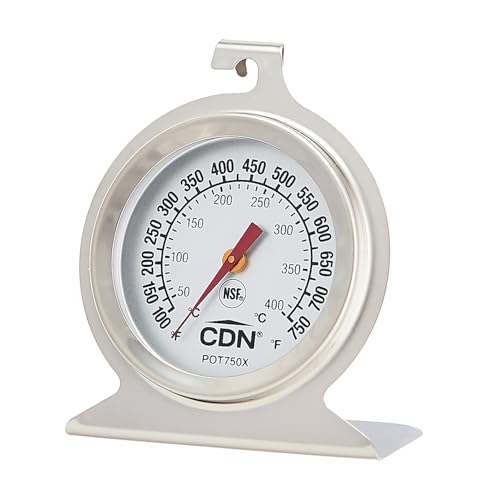
Best Oven Thermometer (2026): Your Oven Is Probably Lying to You
Set a home oven to 350°F and there is a good chance it is sitting anywhere between 315 and 390. The dial is a request, not a measurement, and the difference is the reason a recipe that works for everyone else comes out pale and raw in the middle at your house.
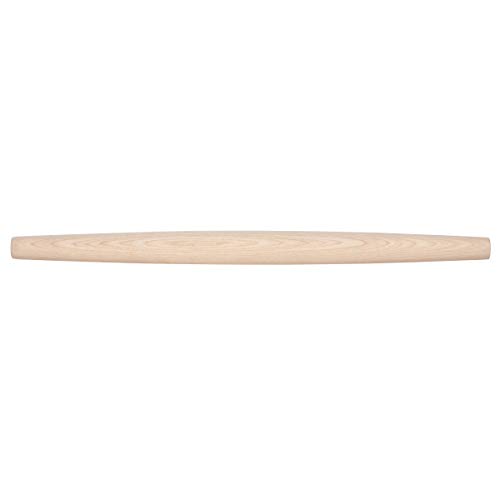
Best Rolling Pin (2026): French, Classic or Adjustable
Rolling pins divide into three shapes and people are oddly loyal to whichever they learned on. The differences are real but small: what changes most is how much you can feel the dough through the pin, and whether you get an even thickness without measuring. Any of them will roll pastry. One of them will roll it to a consistent 4mm without you thinking about it.