Sport & Fitness ›
Karate
Karate
The further from centre, the more strongly this hobby leans that way. Your quiz answers are scored against exactly these fifteen.
- RestfulPhysical
- IndoorsOutdoors
- SolitarySocial
- PracticalCreative
- InstinctiveTechnical
- Hands-offHands-on
- RelaxedCompetitive
- CautiousDaring
- Quick winsPatient
- PrivatePerformer
- MinimalistCollector
- Just do itStudious
- Low-kitGear-heavy
- AnalogDigital
- ObjectsLiving things
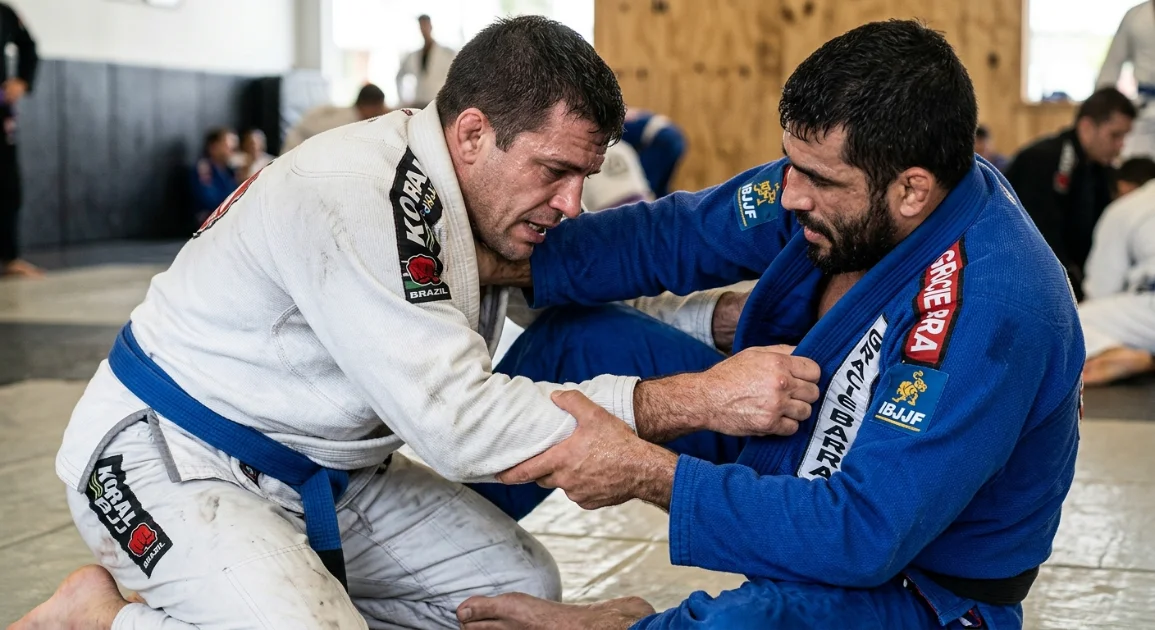
Training punches, kicks, blocks and set forms called kata, in a graded system with belts. Styles vary a lot between clubs.
This weekendTime to first win
A few hoursA session
Mostly indoorsWhere
Step 1: Find a dojo and watch a class before joining.
Is it you?
What you need2 things
The honest floor, taking the cheapest option in each$125
How we make money: if you buy through one of these we take a small cut, and the price is the same either way. The cheapest option that works is always listed first.
The path15 quests
ASetting up2 things to sort, in any order$35
- Find a dojo and watch a class before joining
- Get a gi once you have decided to stay
BThen the quests
- Try a beginner class at a dojo
- Hold a solid stance and guard
- Throw a clean straight punch
More on Karate
Everything else we have written about it. Free to read, no account needed.
Guides
Browse all guidesWhat to buy1
From the blog2
Hobbies for ADHD: 13 Activities That Match How Your Brain WorksADHD brains often thrive on novelty, immediate feedback, and hyperfocus when something genuinely holds their interest. The hobbies that tend to stick share a few common traits: something happening in the body or the environment, fast enough feedback to stay engaged, and a ceiling high enough to sustain interest for years rather than weeks.17 Hobbies That Actually Make You More ConfidentConfidence isn't a personality trait you're born with, it's a by-product of doing hard things and getting better at them. These 17 hobbies build it on purpose: by putting you on a stage, in a sparring ring, on a wall, or simply in front of a skill you slowly master. Pick the kind of brave you want to get.
Learn it with a course
 Udemy
UdemyRecommended course
Karate; Tang Soo Do Techniques & Forms - Beginner Part Two
Start on UdemyAffiliate link
Same shape of evening, different thing to hold at the end. Or follow a tag sideways.